
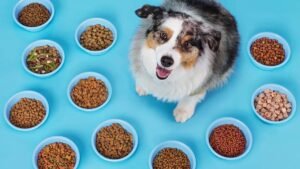
Ensuring the product meets the nutritional standards set by the Association of American Feed Control Officials is the most important factor when you’re looking for the best nutritious dog food. A balanced diet must provide all essential nutrients in the correct proportions for your dog’s specific life stage.
Choosing the most nutritious food

- Look for an AAFCO statement on the label that confirms the food is “complete and balanced” for your dog’s life stage.
- Choose products that list a high-quality animal protein, such as chicken, beef, or fish, as the very first ingredient.
- Avoid foods that contain vague “meat meal” or “by-product” labels without specifying the exact animal source.
- Check the guaranteed analysis to ensure the fat and protein percentages match your dog’s activity level and age.
- Prioritize brands that have conducted feeding trials rather than just laboratory analysis to prove their nutritional claims.
- Consult your veterinarian if your dog has specific health conditions, as they may require a specialized or prescription diet.
Why nutritional balance matters for dogs
The science of canine nutrition relies on precise ratios of proteins, fats, vitamins, and minerals that support healthy organ function. Your dog needs a specific balance of these nutrients to maintain muscle mass, skin health, and energy levels throughout the day. When a diet is missing one of these, it can lead to long-term health issues like weak bones or poor coat quality.
Regulatory bodies like the Association of American Feed Control Officials establish the minimum and maximum nutrient levels that every commercial pet food must meet to be sold legally. Manufacturers use these guidelines to formulate recipes that prevent common deficiencies.
If you choose a food that doesn’t meet these standards, your dog might not get the fuel it needs for daily activity. Always look for the AAFCO stamp on the bag, as this is the only way to verify that the food has been formulated to support a healthy life.
Situations where nutritional needs change

Different life stages and health conditions require different nutrient profiles for your pet. If your dog has a high energy level, it will need a different calorie density than a senior dog that’s less active.
| Situation | What changes | What to do instead |
|---|---|---|
| Puppyhood | Higher protein and fat | Choose growth-specific formulas |
| Senior years | Lower calorie density | Select senior-labeled diets |
| Pregnancy | Increased caloric needs | Use high-performance puppy food |
| Weight issues | Lower fat content | Use weight management formulas |
| Food allergies | Specific protein sources | Use limited ingredient diets |
How to transition your dog to new food
- Start by mixing 25% of the new food with 75% of the old food for two days to monitor digestion.
- Increase the ratio to 50% new food and 50% old food for the next two days to ensure the dog tolerates it.
- Move to 75% new food and 25% old food for another two days while watching for any changes in stool consistency.
- Switch to 100% new food on the seventh day if your dog is eating well and showing no signs of stomach upset.
- Observe your dog for any itching, vomiting, or lethargy during the transition, as these are signs of an adverse reaction to the new ingredients.
- Adjust the total daily portion based on the feeding guide on the back of the bag, noting that serving sizes vary by brand and calorie density.
The mistakes that ruin dog nutrition
- Feeding your dog human table scraps often leads to obesity and can cause dangerous digestive blockages from cooked bones.
- Changing a dog’s diet too quickly causes significant stomach distress and diarrhea, making the transition process much harder for the pet.
- Ignoring the serving size guidelines on the package leads to overfeeding, which is the most common cause of weight gain in pets.
- Buying food based solely on marketing claims rather than checking the ingredient list results in paying for low-quality fillers.
Frequently asked questions
How much should I feed my dog daily?
You should follow the specific weight-based chart on the packaging, as the calorie density varies between different brands and formulas. If your dog is gaining too much weight, decrease the portion by 10% and monitor their body condition over the next two weeks.
Is grain-free food better for my dog?
There’s no scientific evidence that grain-free food is better for the average dog unless they have a diagnosed grain allergy. Most dogs digest grains like rice and oats easily, and these provide a good source of fiber and energy for your pet.
Can I mix wet and dry food?
You can mix wet and dry food to improve palatability, but you must account for the total calories from both sources to prevent overfeeding. Ensure that both types of food are labeled for the same life stage to maintain a balanced nutrient profile.
How do I know if the food is high quality?
Look for a named protein source as the first ingredient and verify the AAFCO statement on the label to ensure it’s nutritionally complete. A high-quality food will also provide a clear breakdown of the fat, fiber, and protein content on the bag.
Does the price of dog food indicate quality?
Price doesn’t always guarantee quality, but very cheap foods often use lower-quality fillers and by-products to keep costs down. Focus on the ingredient list and the manufacturer’s history of safety rather than just the price tag on the shelf.
What should I do if my dog refuses to eat?
If your dog refuses to eat for more than 24 hours, you should contact your veterinarian to rule out underlying health issues or dental pain. Never force your dog to eat, as a sudden change in appetite is often a sign of a medical problem that needs professional care.
Conclusion
Choosing the right food is about matching the nutritional profile to the needs of your individual dog. When you take the time to read the label and monitor how your pet responds, you provide the best possible foundation for their long-term health and happiness.