
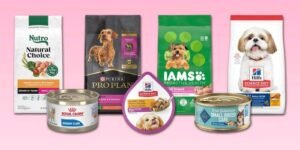
The ideal nutritional choice for your pet is a balanced meal that meets the standards set by the Association of American Feed Control Officials. Determining the best dog food for your pet depends on their specific life stage, size, and any known health conditions.
How to choose the best dog food
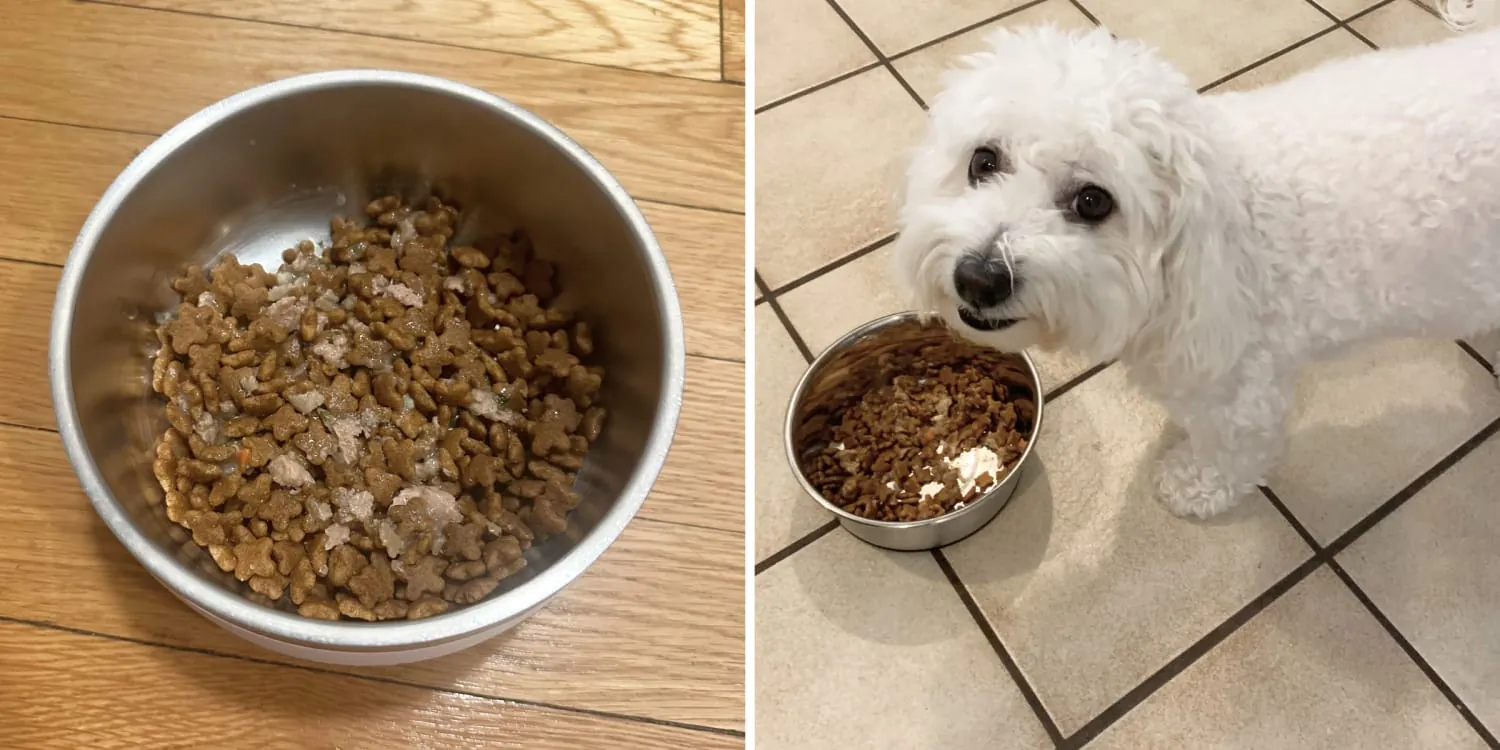
- Check the label for an AAFCO statement confirming the diet is “complete and balanced.”
- Match the food to your dog’s life stage: puppy, adult, or senior.
- Consult your veterinarian if your dog has allergies or sensitive digestion.
- Prioritize products that have undergone feeding trials rather than just laboratory analysis.
- Monitor your dog’s weight and adjust portion sizes to avoid obesity.
- Transition to new food slowly over 7 to 10 days to prevent stomach upset.
Why nutritional balance matters
Every dog needs a precise mix of proteins, fats, carbohydrates, vitamins, and minerals to maintain organ function and coat health. These requirements change as a dog grows. A puppy needs more energy and calcium to build bones, while a senior dog often needs fewer calories to prevent weight gain and more joint support.
The Association of American Feed Control Officials provides the regulatory framework that manufacturers must follow to label their products as nutritionally complete. If a bag doesn’t carry this statement, it’s likely a treat or a supplement rather than a primary diet.
You should always read the back of the package to see if the food is intended for “all life stages” or specifically for “growth” or “maintenance.” If you’re unsure about your dog’s specific needs, your veterinarian is the best person to help you read the ingredient list and identify potential risks.
Situations where requirements change
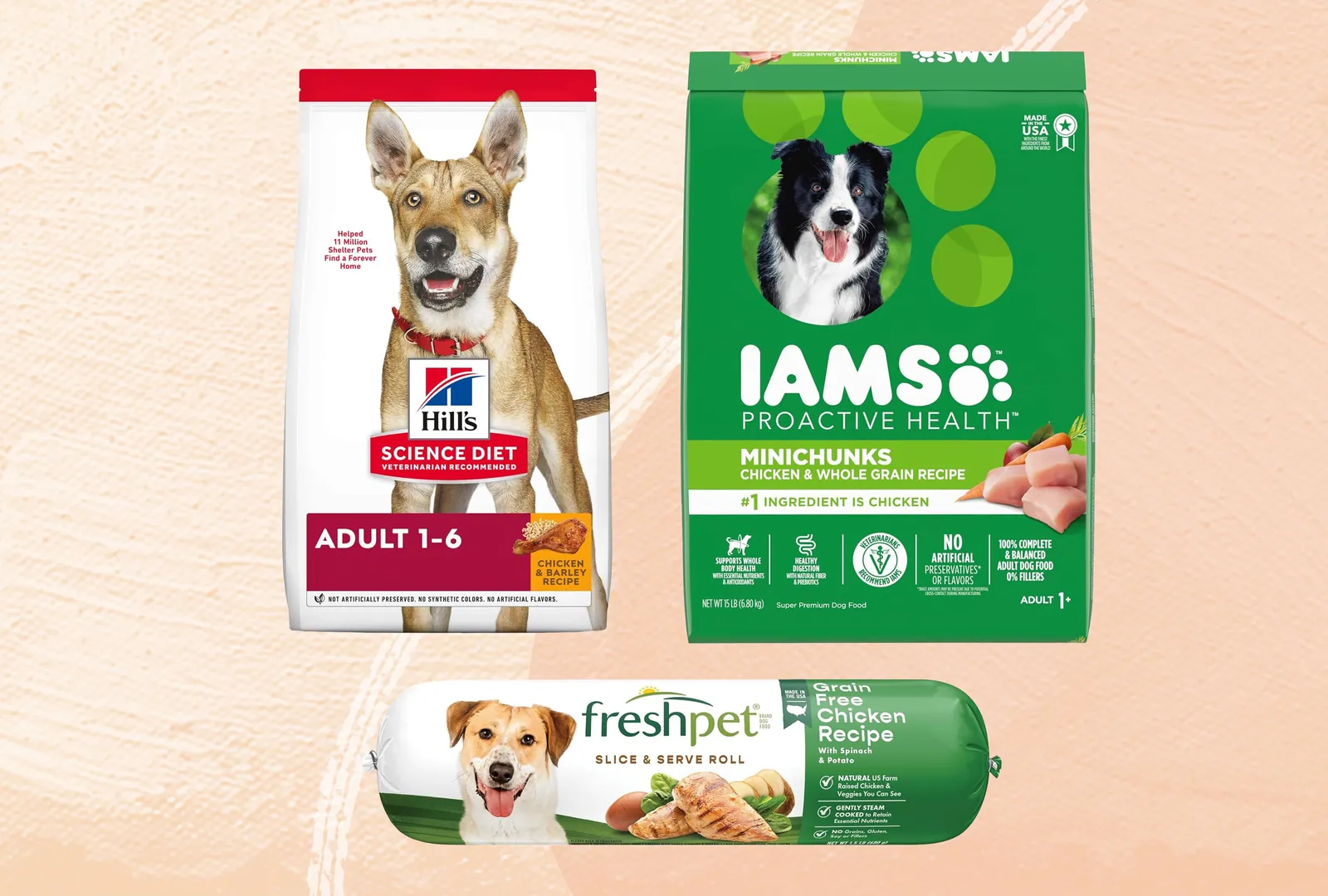
Not every animal thrives on the same standard diet. Small breeds have faster metabolisms than giant breeds, and active working dogs burn more calories than sedentary house pets.
| Situation | What changes | What to do instead |
|---|---|---|
| Puppyhood | Higher protein needs | Feed growth-specific formulas |
| Senior years | Lower calorie density | Switch to senior diets |
| Food allergies | Protein sources | Use limited ingredient diets |
| High activity | Calorie requirements | Increase portion sizes |
| Weight gain | Energy density | Use weight management food |
Steps for feeding your dog properly
- Read the feeding guide on the back of the bag to determine the starting daily amount based on your dog’s current weight.
- Use a standard measuring cup or a digital kitchen scale to ensure you aren’t overfeeding, as labels often suggest a range.
- Divide the total daily amount into two separate meals to help manage hunger and digestion throughout the day.
- Place the bowl in a quiet area where your dog can eat without stress, especially if you have other pets in the house.
- Remove any uneaten wet food after 30 minutes to prevent spoilage, as moist food can grow bacteria quickly at room temperature.
- Keep fresh, clean water available at all times, as dry kibble contains very little moisture compared to fresh or canned food options.
- Check your dog’s body condition score every two weeks by feeling for their ribs; you should feel them easily without pressing hard.
The mistakes that ruin a diet
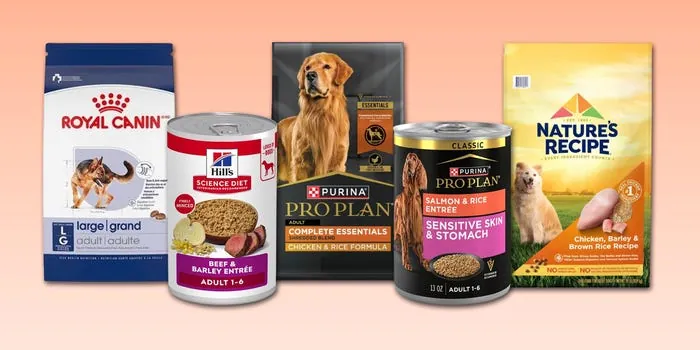
- Adding too many table scraps leads to an unbalanced intake and encourages begging behaviors.
- Ignoring the serving size causes rapid weight gain, which puts extra strain on a dog’s joints and heart.
- Switching brands too quickly often results in diarrhea or vomiting because the gut microbiome can’t adapt instantly.
- Feeding “all life stages” food to a giant breed puppy can cause them to grow too fast, leading to bone development issues.
Frequently asked questions
Can I feed my dog human food?
You can feed some human foods like plain cooked chicken or carrots, but these should never exceed 10% of their total daily calories. Most human food is too high in fat, salt, or sugar, which can cause pancreatitis or long-term health issues.
How much should I feed my dog?
You should start with the amount recommended on the bag for your dog’s weight, but adjust based on their activity level. If your dog starts to gain weight, reduce the portion by 5% to 10% until you reach the ideal body condition.
Is grain-free food better?
Grain-free food isn’t better for most dogs unless they have a medically diagnosed allergy to specific grains. There’s no scientific evidence that grains are harmful to healthy dogs, and many high-quality diets include healthy whole grains like brown rice or oats.
How long does an open bag last?
An open bag of dry food stays fresh for about 4 to 6 weeks if you keep it in a cool, dry place. Always keep the food in its original bag inside a sealed container to prevent the fats from going rancid due to air exposure.
Does my dog need a raw diet?
A raw diet isn’t necessary for most dogs and carries significant risks of bacterial contamination like Salmonella. If you choose this route, you must work with a veterinary nutritionist to ensure the diet is nutritionally complete and safe for your household.
What happens if my dog stops eating?
If your dog refuses food for more than 24 hours, you should contact your veterinarian immediately to rule out illness. A sudden loss of appetite is often the first sign that something is wrong, and waiting too long can be dangerous.
How often should I change their food?
You shouldn’t change your dog’s food unless there’s a medical reason or they’re moving to a new life stage. Consistency is better for a dog’s digestive system, and frequent switching can lead to unnecessary stomach upset and picky eating habits.
Conclusion
Monitoring your dog’s weight and energy levels is the most effective way to know if their diet is working. If your dog maintains a healthy weight and has a shiny coat, you’re likely on the right track. Always talk to your vet before making major changes to their routine.