
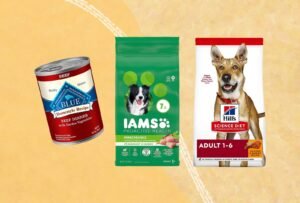
The best complete dog food is any formula certified to meet national nutrient profiles for your pet’s life stage. A food must supply every vital nutrient without extra treats, but an active puppy needs higher calcium than an older dog.
Best complete dog food options
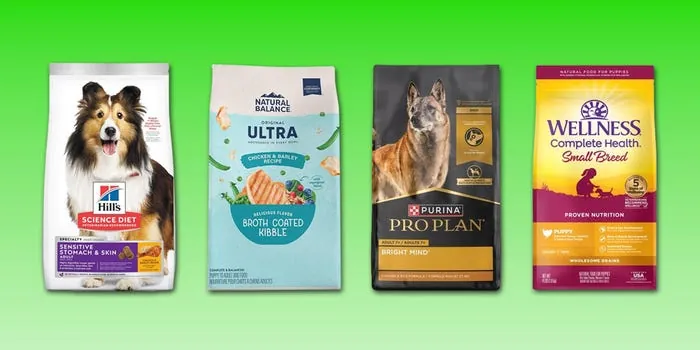
Selecting a balanced diet means reading the nutrition panel rather than marketing claims on the front bag. An adult dog needs a different balance of amino acids than a growing puppy.
Looking at the label tells you right away if the bag matches your dog’s daily biological needs.
- Check for an official adequacy statement showing the formula meets baseline nutrient levels for adult maintenance or all life stages.
- A healthy adult kibble should provide at least 18% crude protein and 5% crude fat on a dry matter basis.
- Choose a formula listing named meat meals or whole meats as the first ingredient to ensure high bioavailability.
- The trade-off for cheaper formulas is often lower digestibility, meaning your dog produces larger, more frequent stools.
- This complete dry kibble approach isn’t for dogs with advanced chronic kidney failure who require strict clinical moisture and phosphorus limits.
- Measure your dog’s current body condition score to find the exact daily calorie number, which varies by pet and is printed on the bag’s feeding chart.
Why complete dog nutrition matters
Complete pet diets prevent severe health issues caused by missing vitamins or unbalanced minerals over long periods. Homemade table scraps often lack trace minerals like zinc, iodine, and copper. Without these, dogs develop dry coats, skin infections, and bone weakness within months.
Commercial diets rely on rigorous nutritional standards. The FDA pet food guidelines require complete pet foods to provide total nutrition without needing extra supplements. Formulators balance the ratio of calcium to phosphorus, which must stay between 1:1 and 2:1. An improper ratio damages skeletal growth in young dogs.
Digestibility also controls how much nutrition enters the bloodstream. Cheap grain by-products pass straight through the digestive tract. High-quality animal proteins break down into essential amino acids like taurine and methionine. These specific acids keep heart muscles strong and maintain organ function through old age.
When standard complete food fails
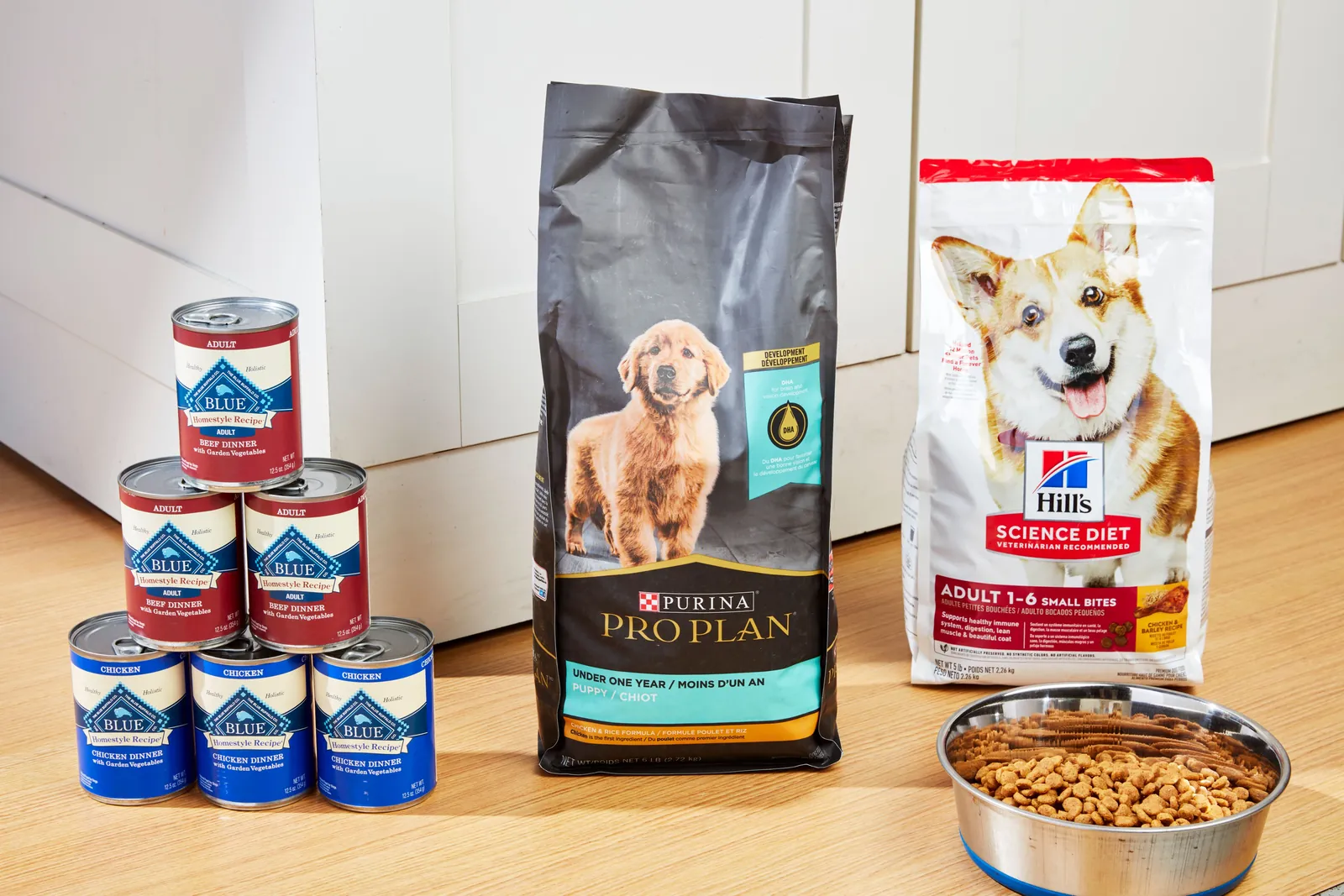
Standard complete diets suit healthy household pets, but special medical conditions alter basic dietary requirements.
| Situation | What changes | What to do instead |
|---|---|---|
| Kidney disease | Phosphorus must drop | Feed low-phosphorus renal diet |
| Pancreatitis flare | Fat limit drops below 10% | Use veterinary ultra-low-fat food |
| Large breed puppy | Slower bone growth needed | Pick large-breed puppy formula |
| Food allergy | Common proteins cause itching | Switch to novel protein source |
| Severe obesity | Calorie density must lower | Use high-fiber weight food |
How to switch dog food safely
Switching food too quickly upsets the stomach, leading to vomiting and watery stools. Take seven full days to transition your pet to a new complete diet safely.
- Mix 25% of the new formula with 75% of the current food for the first 2 days.
- Check your dog’s stool daily to ensure it remains firm, brown, and easy to pick up.
- Increase the mixture to 50% new food and 50% old food on days 3 and 4.
- Verify your dog drinks normal amounts of fresh water throughout the middle transition days without bloating.
- Shift the bowl contents to 75% new food and 25% old food across days 5 and 6.
- Serve 100% of the new complete food on day 7 if stool consistency remains completely solid.
- Weigh your dog after 30 days on the new food to confirm their body weight stays stable.
Mistakes that ruin complete feeding
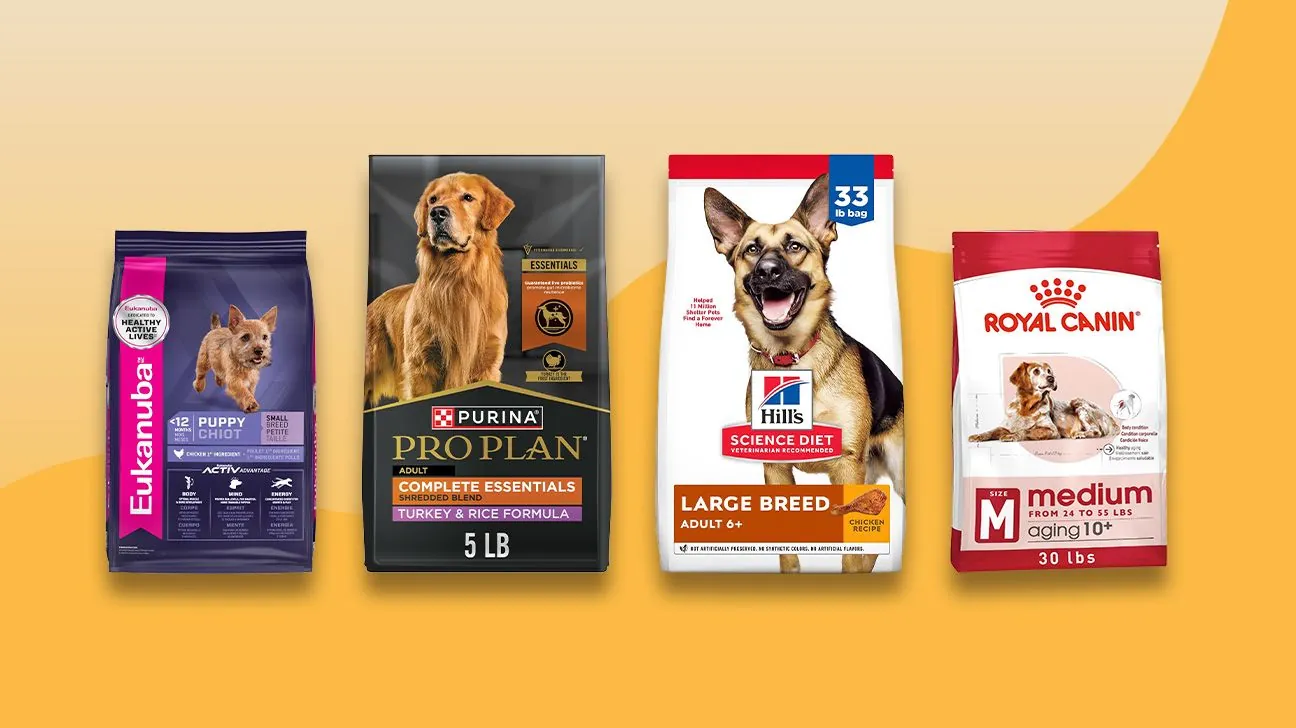
Even top-tier dog food fails to deliver results if handled improperly at home. Small routine errors undermine your pet’s daily nutritional balance.
- Free-feeding from an open bowl leads to excess calorie intake, which costs owners hundreds in joint pain medications later.
- Storing kibble in hot garages oxidizes the delicate fats, causing vitamin loss and stomach inflammation.
- Adding large amounts of unseasoned meat toppers unbalances the calcium-to-phosphorus ratio, which slowly leaches minerals from your dog’s bones.
- Using a random household coffee mug instead of a standardized measuring cup causes accidental overfeeding by up to 30%.
Frequently asked questions
Can I mix wet and dry complete food?
Yes, you can mix them safely if both products are complete foods. Just calculate the calories from both portions so you don’t accidentally overfeed your dog during daily meals.
How much complete food should I feed my dog?
Feed between 1 to 4 cups daily for adult dogs, depending on their exact weight and activity. The specific daily portion for your dog’s weight is printed directly on the bag’s feeding table.
How long does an open bag of complete dry food stay fresh?
Dry dog food stays fresh for 4 to 6 weeks after you cut the bag seal open. Store the food inside its original bag within an airtight container away from warm sunlight.
What happens if I feed adult complete food to a puppy?
Puppies develop bone and joint defects because adult maintenance food lacks enough protein and calcium for growth. Growing puppies need food labeled specifically for growth or all life stages.
Is grain-free complete food better for dogs?
No, whole grains supply easily digested energy and vital fiber for healthy dogs. Unless your vet confirms an actual grain allergy, standard grain-inclusive diets work best for daily health.
Why does my dog produce large stools on complete food?
Cheap filler ingredients and low-digestibility fibers pass directly through the gut into the yard. Higher quality complete foods offer better nutrient absorption, resulting in smaller, firmer, less frequent stools.
A good complete food keeps your dog healthy, energetic, and lean for years. Check the label on your bag today, stick to a measured feeding schedule, and ask your vet whenever your dog’s daily health needs shift.
Conclusion
Choosing the right bowlful doesn’t have to be a guessing game. Spend a few minutes reading the back of the bag next time you’re at the store to ensure it’s a perfect match for your pup’s needs. Your dog will surely thank you for the extra care you’ve put into their health.