
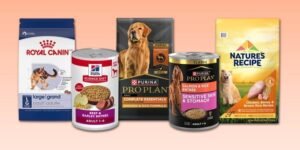
Choosing nutritionally balanced, high-quality food is the best way to support your pet, as these options meet standards set by veterinary experts. The right pick depends on your dog’s specific age, weight, and any existing health conditions.
Quick Guide to Choosing the Best Dog Food
Photo: www.popsci.com on Google
- Look for an “AAFCO” statement on the bag, which confirms the food meets minimum nutrient requirements for your dog’s life stage.
- Pick a recipe based on your dog’s age: puppy, adult, or senior, as these have different protein and calorie levels.
- Check the ingredient list for a named protein source, like “chicken” or “beef,” listed as the very first ingredient.
- Avoid foods that rely on vague terms like “meat meal” or “animal by-products” without identifying the specific animal source.
- If your dog has allergies, choose a single-protein formula to make identifying and avoiding triggers much easier.
- Read the feeding guidelines on the package, then adjust portions based on your dog’s actual body condition and activity level.
Why Quality Standards Matter
Choosing a diet for your dog is about more than just the brand name on the label. It’s about the specific nutrient profile that supports their biological needs throughout their life. Dogs require a precise balance of proteins, fats, carbohydrates, vitamins, and minerals to maintain healthy skin, coat, and organ function. You can find the official guidelines for pet nutrition published by the Association of American Feed Control Officials, which outlines the standards manufacturers must meet.
If a company doesn’t follow these standards, the food may lack essential nutrients, leading to long-term health issues. Always check the label for a statement saying the food is formulated to meet these requirements. This ensures the recipe provides complete and balanced nutrition for your dog’s specific life stage. Never assume that “natural” or “premium” labels mean the food is nutritionally complete, as these are marketing terms rather than scientific ones.
Adjusting for Different Needs

The standard adult food isn’t always the right choice for every animal. Your dog’s specific situation often dictates a need for a different formula or a change in portion size.
| Situation | What changes | What to do instead |
|---|---|---|
| Puppy | Growth needs | Use puppy-specific formulas |
| Senior | Calorie needs | Use senior-specific, lower-calorie food |
| Obesity | Weight management | Use weight control formulas |
| Allergies | Protein source | Use single-protein limited ingredients |
| High activity | Energy density | Use performance or working dog food |
How to Feed Your Dog Properly
- Consult your veterinarian to determine your dog’s ideal weight and daily caloric needs based on their breed and activity level.
- Select a high-quality food that matches your dog’s life stage, such as puppy, adult, or senior, as these have different nutrient profiles.
- Weigh your dog’s food using a kitchen scale rather than a measuring cup to ensure you provide the exact amount they need.
- Divide the total daily amount into two or three meals to help with digestion and keep your dog satisfied throughout the day.
- Monitor your dog’s body condition by feeling their ribs; you should be able to feel them easily without pressing through thick fat.
- Adjust the portion size by 5-10% if you notice your dog gaining or losing weight, but check with your vet before making big changes.
The Mistakes That Ruin Nutrition
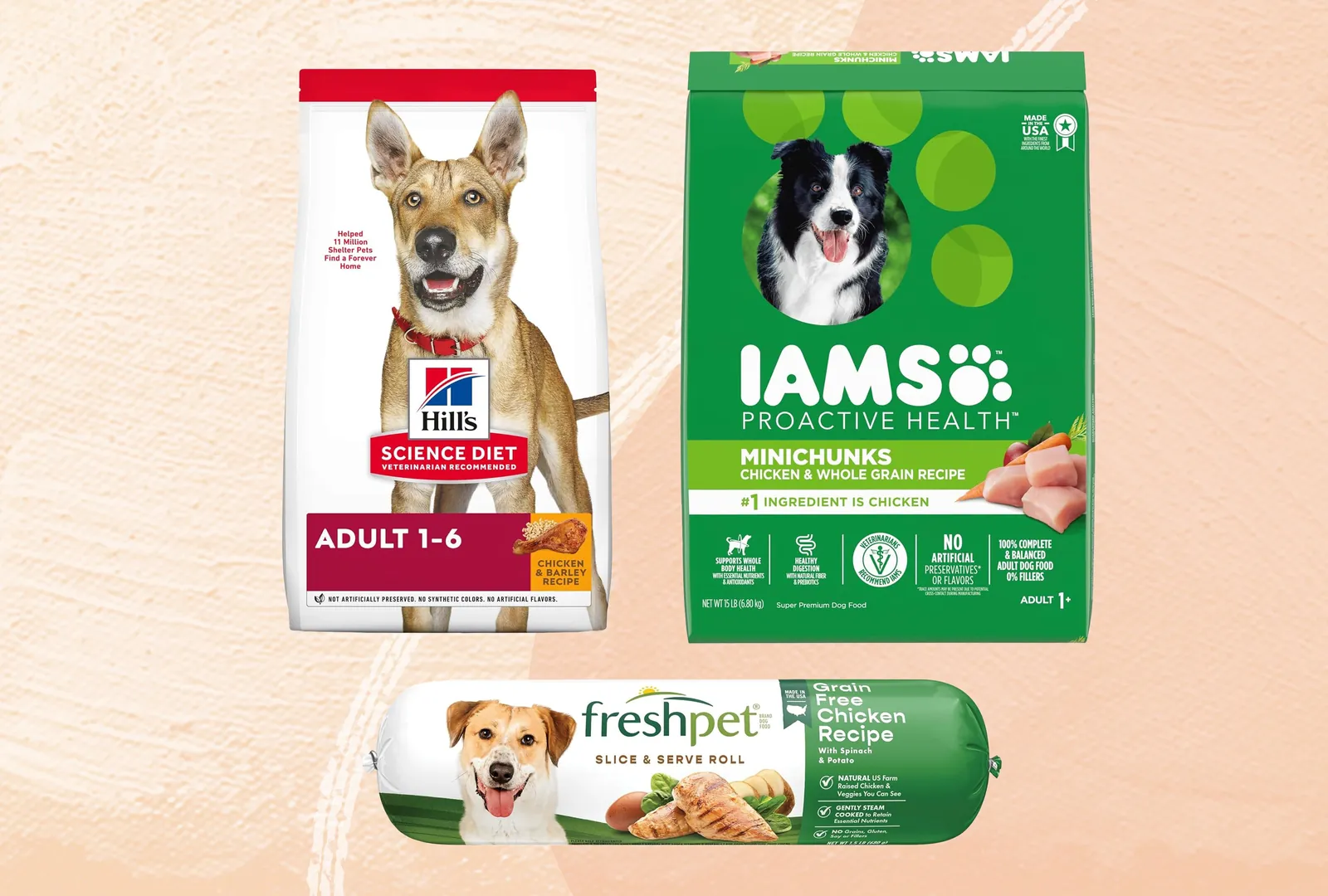
- Giving too many human food scraps leads to obesity and can cause dangerous digestive upset in many dogs.
- Switching food brands too quickly causes diarrhea or vomiting because the dog’s stomach can’t adjust to the new ingredients.
- Ignoring the specific life stage requirements means your dog might get too much or too little of the nutrients they need.
- Overfeeding is the most common mistake, and it often leads to joint problems and heart disease over the long term.
Frequently asked questions
Can I mix dry and wet dog food?
Yes, you can safely mix dry and wet food to improve palatability or hydration. Reduce the amount of dry kibble by the same number of calories you provide in wet food to prevent overfeeding and maintain a healthy weight.
How long should a dog stay on puppy food?
Most dogs transition to adult food between 10 and 12 months of age, depending on their breed size. Large breeds often need puppy food longer, up to 18 or 24 months, to support their slower bone development and growth.
Is grain-free food better for dogs?
No, grain-free food isn’t inherently better unless your dog has a specific diagnosed allergy to grains. Most dogs digest grains like rice or oats easily, and these provide important fiber and nutrients for a balanced and healthy diet.
How do I know if my dog is allergic to their food?
Common signs of food allergies include chronic ear infections, itchy skin, or frequent paw licking. If you suspect an allergy, consult your veterinarian to perform a strict food trial using a specialized diet to identify the specific trigger ingredient.
What should I do if my dog stops eating?
A dog that stops eating for more than 24 hours needs a visit to the veterinarian immediately to rule out illness. Check if they have access to fresh water and look for other symptoms like lethargy or vomiting that require professional attention.
Does the price of dog food reflect the quality?
Not always, as higher prices sometimes reflect marketing costs rather than superior ingredients or testing. Focus on the ingredient list and the AAFCO statement on the label rather than the brand’s price tag or the luxury of the packaging.
How much water should my dog drink?
A healthy dog typically drinks about one ounce of water per pound of body weight daily. If your pet’s intake changes significantly, consult your veterinarian to rule out underlying health issues.
Conclusion
Ultimately, your dog’s health is a journey you’re taking together. Since every pet’s needs change over time, it’s a great idea to schedule a quick chat with your vet during your next visit. They’ll help you confirm you’re on the right track so your furry friend stays happy and thriving for years.