
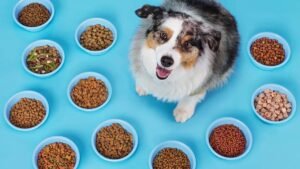
A complete and balanced meal for your pet is what the dog food industry designs to meet specific nutritional requirements. These products contain a mix of proteins, fats, carbohydrates, vitamins, and minerals that provide the energy and nutrients necessary for a dog to maintain its health, growth, and bodily functions throughout its life.
The most important factor is choosing a diet that matches your dog’s life stage and size. A puppy needs different nutrients than a senior dog, and a large breed has different needs than a small one. The most common mistake owners make is ignoring the feeding guidelines on the label, which leads to obesity. Always start by measuring the exact amount recommended for your dog’s weight.
Choosing the right dog food
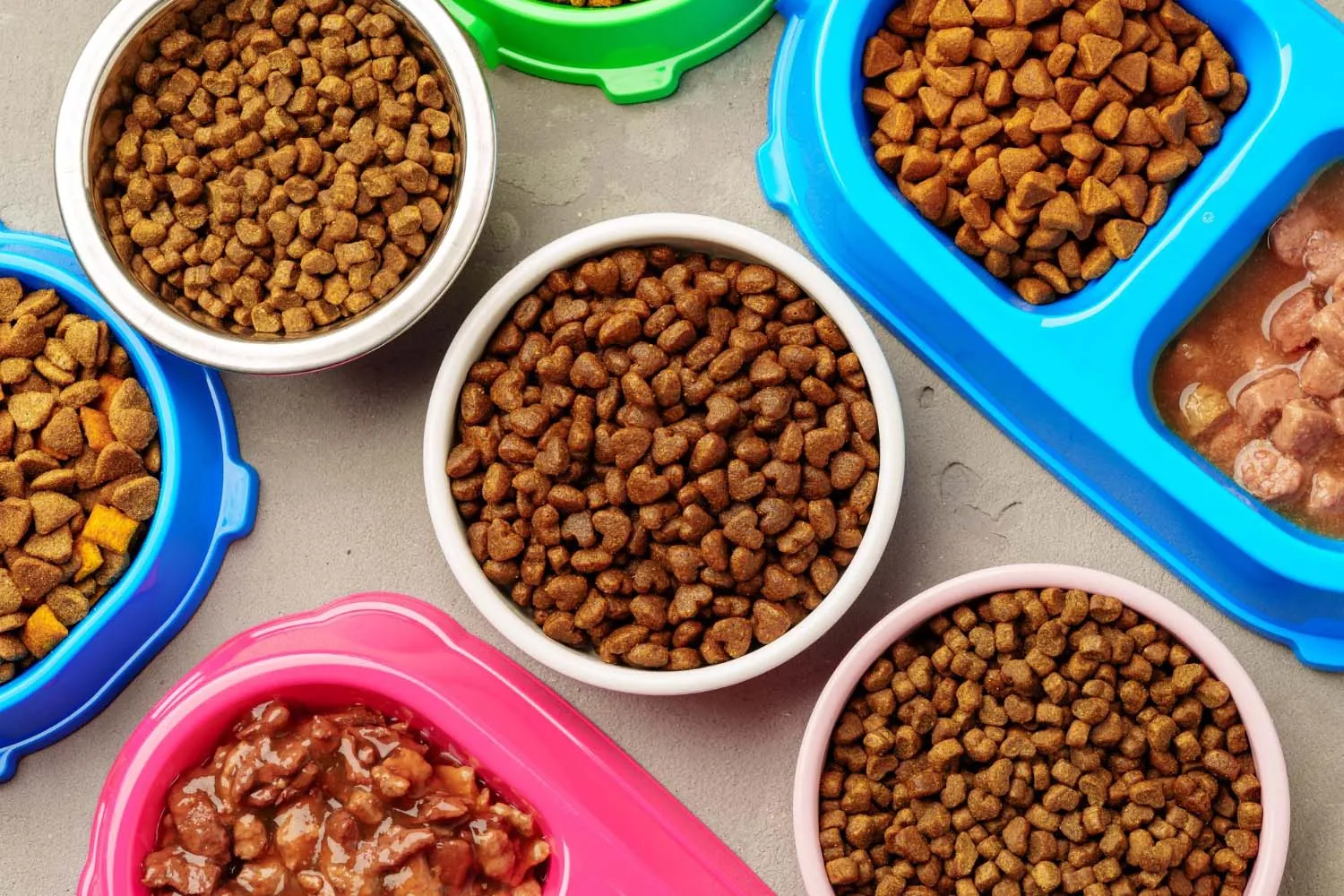
- Check the packaging for the label that states the product meets the nutritional standards set by the Association of American Feed Control Officials.
- Determine your dog’s daily caloric needs based on its age, weight, and activity level. If your dog is sedentary, use the lower end of the recommended daily range.
- Measure the food using a standard measuring cup or a kitchen scale to ensure you provide the exact portion.
- Split the total daily amount into two separate meals to help your dog maintain stable blood sugar levels.
- Provide fresh, clean water in a bowl at all times, washing the bowl daily to prevent bacteria buildup.
- Consult your veterinarian before changing brands or adding supplements if your dog has known allergies or specific health conditions.
Tip: Don’t use a human coffee mug to measure food. These vary in size and will lead to overfeeding, which can cause joint issues or heart strain in dogs.
Time requirements for feeding
Feeding your dog is a daily routine that takes only a few minutes, but the time spent depends on the dog’s age and health status.
| Situation | How long | What changes it | What to watch for |
|---|---|---|---|
| Puppy (under 6 months) | 3-4 times daily | Rapid growth needs | Weight gain |
| Adult dog | 2 times daily | Activity level | Body condition |
| Senior dog | 2 times daily | Metabolism speed | Appetite changes |
If your dog consistently leaves food in the bowl, reduce the portion size by 10% for three days to see if their appetite stabilizes.
Knowing when to adjust the diet
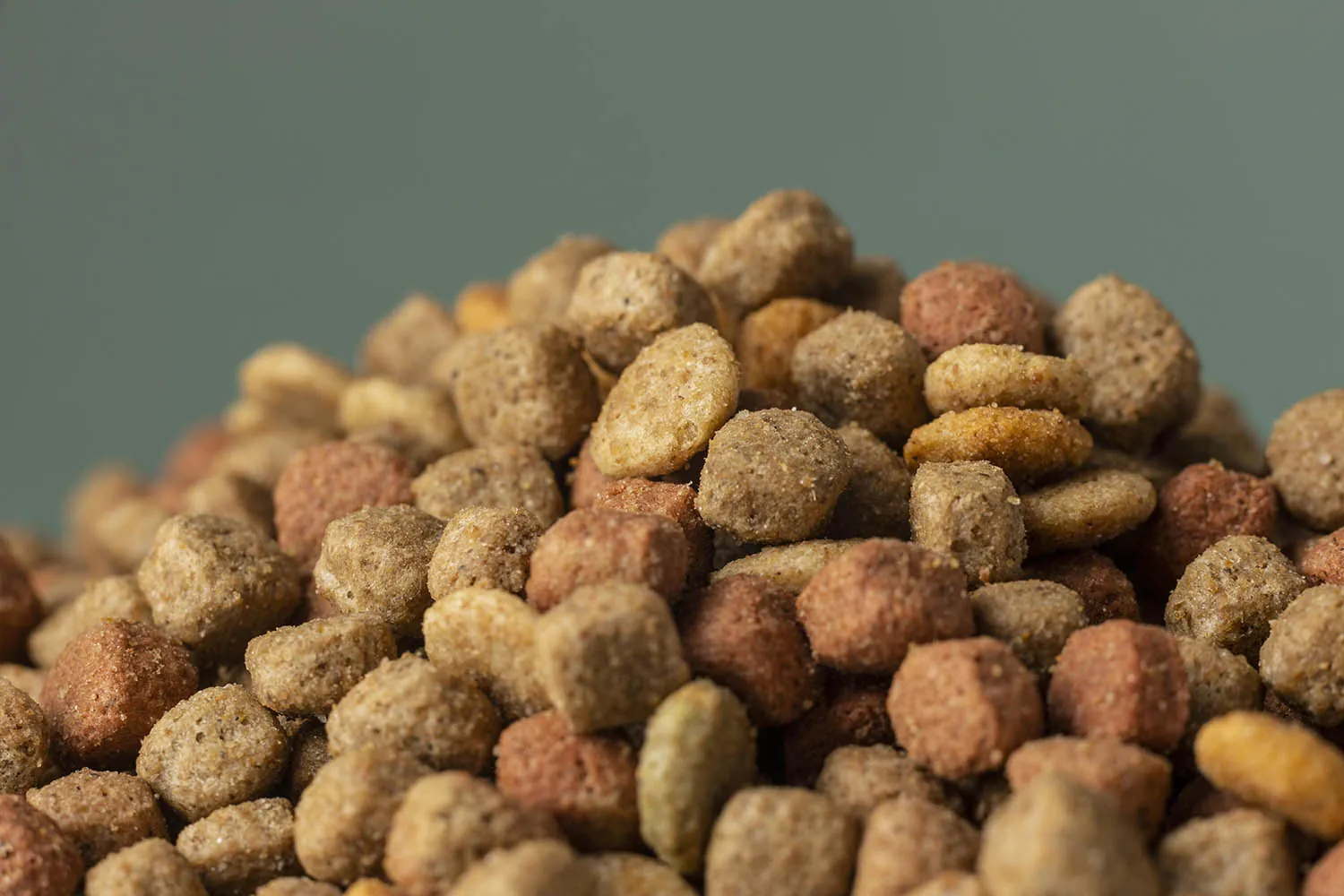
You can tell if the current food is working by monitoring your dog’s energy levels, coat quality, and stool consistency. A healthy dog has a shiny coat, steady energy, and firm, regular stools.
If you notice dull fur, constant itching, or frequent digestive upset, the current product might not be the right fit. The final test is a body condition score; you should be able to feel, but not easily see, your dog’s ribs when you run your hands along their sides.
Mistakes that ruin your dog’s health
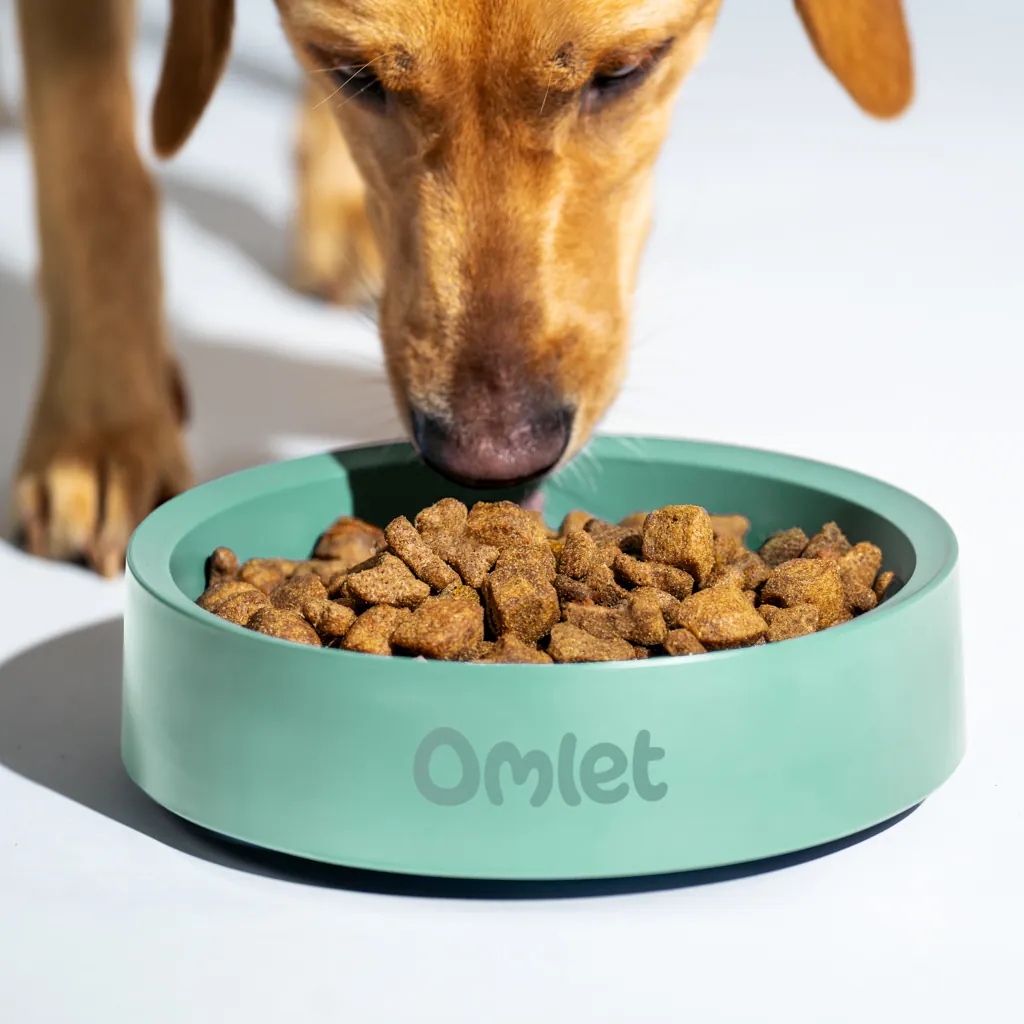
- Free-feeding all day: Leaving a full bowl out allows your dog to graze, which makes it nearly impossible to track daily intake and leads to rapid weight gain. Instead, pick up the bowl after 20 minutes if your dog hasn’t finished the meal.
- Giving too many treats: Extra snacks contain hidden calories that quickly exceed the daily limit, pushing your dog into a calorie surplus. Limit treats to 10% or less of your dog’s total daily caloric intake.
- Switching brands too fast: A sudden change in protein or fiber sources often causes severe stomach upset or diarrhea. Mix the old and new food over 7 to 10 days, slowly increasing the amount of the new product while decreasing the old.
- Ignoring expiration dates: Old food can lose nutritional value or develop harmful mold, especially once the bag is opened. Always store the bag in a cool, dry place and use it within six weeks of opening.
Frequently asked questions
Can I feed my dog human food?
No, you shouldn’t make human food the main part of a dog’s diet, as it often lacks the balance of vitamins they need. While plain cooked chicken or carrots are safe as occasional treats, human meals often contain onions, garlic, or excessive salt, which are dangerous for dogs.
How do I know if the food is high quality?
Look for a product that lists a specific animal protein source as the first ingredient and provides a clear nutritional analysis that aligns with your dog’s specific life stage requirements.
Why is my dog a picky eater?
Your dog may be picky because they’re receiving too many table scraps or treats between meals. If your dog is healthy and refuses their regular food, try warming a small amount of water to mix in, but avoid adding human leftovers to bribe them into eating.
Is grain-free food better for dogs?
No, there’s no scientific evidence that grain-free diets are inherently better for healthy dogs. Unless your veterinarian has diagnosed a specific grain allergy, grains like rice or oats are actually healthy sources of energy and fiber that support your dog’s digestive system.
How much water should a dog drink?
A healthy dog typically drinks between 0.5 and 1 ounce of water per pound of body weight daily. This varies significantly based on the outside temperature, your dog’s activity level, and whether they’re eating dry kibble or wet canned food.
What happens if I overfeed my dog?
Overfeeding leads to obesity, which increases the risk of diabetes, heart disease, and joint pressure. If your dog is gaining weight, consult your veterinarian to calculate their exact caloric needs and adjust portion sizes accordingly.
Conclusion
Choosing the right bowl of food doesn’t have to be a guessing game. Take a look at the ingredient label next time you shop, or chat with your vet if you’re unsure about your pup’s needs. They’ll help you find a healthy option that’ll keep your best friend happy and active.