
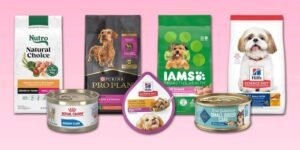
For most owners, a complete and balanced commercial kibble tailored to the life stage of their dog is the best food. This base changes if the animal has chronic kidney disease or severe food allergies, which require veterinary prescription diets instead.
Best Dog Foods at a Glance
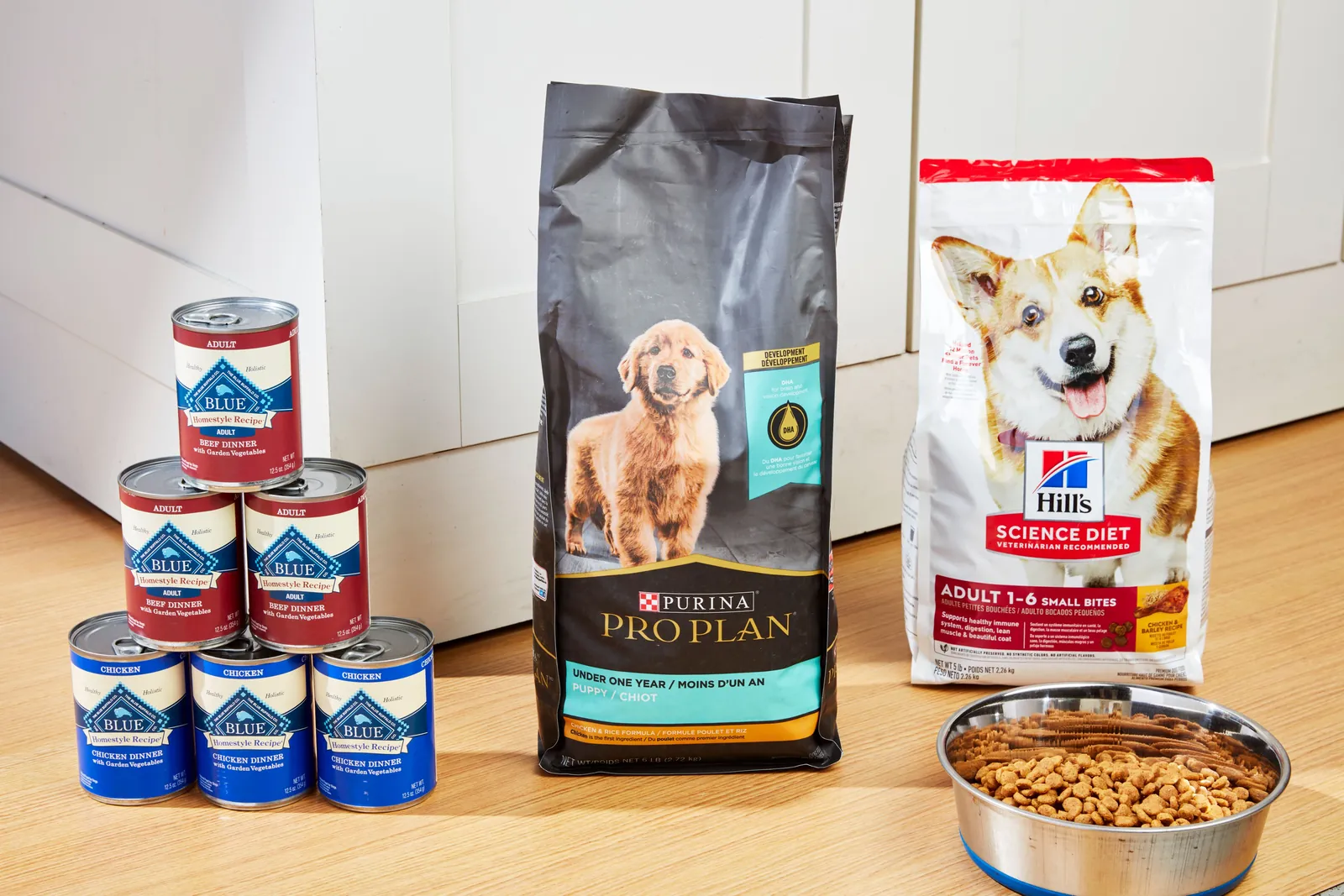
Picking a daily diet means matching ingredients to your dog’s age, size, and activity level. If your dog is healthy and lean, pick an adult maintenance formula; if your dog is older and slowing down, switch to a lower-calorie senior blend.
The trade-off of dry kibble is convenience and lower cost against lower moisture, which means you must always provide fresh water. Raw meat diets carry high contamination risks, so this feeding approach isn’t for homes with young children or sick family members.
- Look for an AAFCO adequacy statement on the bag confirming the meal is complete and balanced.
- Name a specific animal protein like chicken, beef, or lamb as the first ingredient on the label.
- Pick a puppy formula for dogs under 12 months, or an adult formula for dogs aged 1 to 7 years.
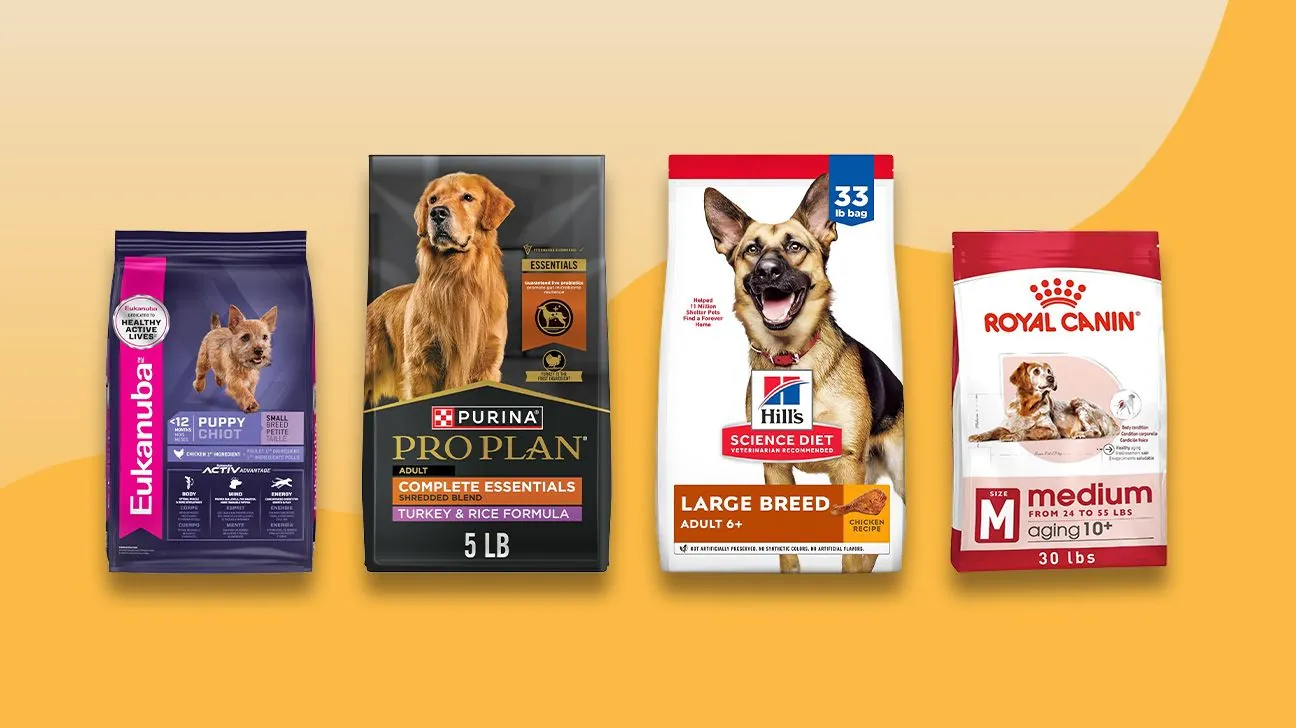
- Choose large-breed bags for dogs over 50 pounds to protect their growing joints with controlled calcium levels.
- Check that the bag carries an exact lot code and an expiration date at least six months away.
Why Whole Dog Nutrition Matters
A dog’s body needs dozens of distinct nutrients working together every day. Proteins supply essential amino acids to rebuild muscle tissue, while dietary fats deliver concentrated energy and carry vital fat-soluble vitamins like A, D, and E. Simple table scraps lack this balance. When meals lack correct mineral ratios, bones weaken and vital organs work under dangerous strain.
Calcium and phosphorus balance is critical during growth stages. Large puppies that absorb too much calcium can develop severe skeletal defects like hip dysplasia. The AAFCO (Association of American Feed Control Officials) sets the standards for nutritional adequacy, which are reflected on pet food labels. A dog’s true nutritional requirement varies by individual metabolism, and you must calculate their specific energy needs based on their weight and activity level.
When Standard Dog Food Is Wrong
Standard store kibble works for healthy pets, but medical issues demand specific formula changes. Giving normal food to an ill dog can trigger dangerous flare-ups.
| Situation | What changes | What to do instead |
|---|---|---|
| Kidney failure | Low phosphorus needed | Feed renal prescription diet |
| Pancreatitis | Fat triggers pain | Use low-fat veterinary food |
| Food allergy | Proteins trigger itch | Feed hydrolyzed single protein |
| Severe obesity | Excess daily energy | Switch to high-fiber food |
| Heart disease | Sodium strains blood | Use strict low-sodium food |
| Puppy stage | High growth demands | Feed certified puppy formula |
How to Switch Your Dog Food
Changing diets too fast causes loose stools and stomach pain. Use this seven-day schedule to transition your dog safely onto a new bag.
- Measure out 75% old food and 25% new food in the bowl on days 1 and 2.
- Mix the dry pellets thoroughly so your dog can’t pick out only the familiar pieces.
- Check your dog’s stool texture on day 3 to confirm their stomach is tolerating the new fats.
- Shift the ratio to 50% old food and 50% new food on days 3 and 4.
- Watch your dog’s energy levels for 24 hours to ensure they show no signs of nausea.
- Increase the portion to 25% old food and 75% new food on days 5 and 6.
- Serve 100% new food on day 7, confirming their stool remains firm and solid.
Dog Feeding Mistakes to Avoid
- Eyeballing portions without a standard 8-ounce measuring cup leads to steady weight gain and joint damage.
- Free-feeding by leaving dry kibble in the bowl all day causes obesity and spoils food freshness.
- Switching flavors overnight ruins your pet’s digestive balance and causes severe, messy diarrhea.
- Adding unprescribed human calcium supplements to puppy kibble permanently deforms growing leg bones.
Frequently asked questions
Can dogs eat a purely raw meat diet safely?
No, raw meat diets carry dangerous pathogens like Salmonella and Listeria. These bacteria sicken pets, contaminate kitchen surfaces, and easily spread to human family members who touch the food.
How much dry kibble should a dog eat daily?
Feed about 1 cup of standard kibble daily for a 20-pound adult dog. Adjust portions using the feeding chart printed on your specific bag based on your pet’s exact weight.
How long does an opened bag of dog food stay fresh?
Dry dog kibble stays fresh for 6 weeks after you cut the bag open. Keep food sealed in its original bag inside an airtight container to stop fats from turning rancid.
Is grain-free dog food healthier for pets?
No, whole grains like brown rice and oats provide healthy fiber and easily digestible energy. Feed grain-free food only if your licensed veterinarian confirms your pet has a true grain allergy.
What happens if a dog eats cat food?
Your dog gets diarrhea or mild vomiting from the heavy fat content. Cat food contains very high protein and fat levels designed for felines, which can trigger painful canine pancreatitis.
Does wet dog food clean a dog’s teeth?
No, wet canned food provides zero dental scraping action and clings to gum lines. Rely on daily toothbrushing with canine enzymatic toothpaste to prevent tartar buildup instead of wet or dry foods.
Why is chocolate toxic to dogs?
Chocolate contains theobromine and caffeine, which canine metabolisms process far too slowly. Small amounts trigger racing heart rates, dangerous muscle tremors, severe seizures, and potential death in all dog breeds.
Conclusion
Choosing a balanced diet that maintains your pet’s lean weight and energy is essential. Check your dog’s ribs every few weeks; you should feel the bone under a thin layer of muscle without pressing hard. If body condition slips or symptoms arise, consult your veterinarian to determine the specific clinical formula your pet requires for long-term health.