
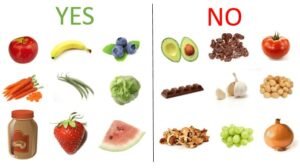
A balanced diet of high-quality commercial dog food is what you should give to your dog to eat, as it meets all their nutritional needs based on life stage and size.
Essential dog nutrition facts
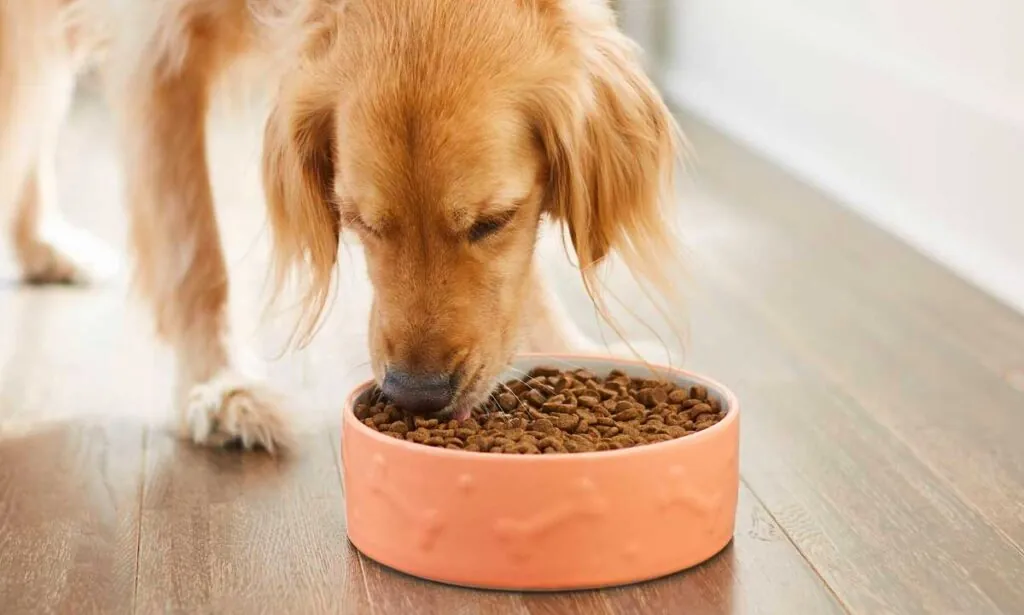
- Choose a food labeled as “complete and balanced” for your dog’s life stage, such as puppy, adult, or senior.
- Check the packaging for a statement that the food meets AAFCO nutrient profiles for maintenance or growth.
- Provide constant access to clean, fresh water in a sturdy bowl.
- Limit treats to no more than 10% of your dog’s daily calorie intake to prevent weight gain.
- Measure food portions using a standard measuring cup rather than guessing to avoid overfeeding.
Why commercial food is best
Commercial dog food is formulated by veterinary nutritionists to provide the exact ratio of proteins, fats, vitamins, and minerals your pet needs to thrive.
Reputable brands conduct rigorous testing for consistency. You can call their customer service line or visit their official website to request their nutritional analysis and quality control protocols.
Adjusting your dog’s diet

| Situation | What changes | What to do instead |
|---|---|---|
| Puppy | Higher energy needs | Use puppy-specific formulas |
| Senior | Lower calorie needs | Use senior-specific formulas |
| Allergies | Specific ingredient intolerance | Consult your veterinarian |
| Weight gain | Calorie reduction | Feed smaller measured portions |
| High activity | Increased energy needs | Feed performance-grade food |
How to choose what your dog should eat
- Read the feeding guidelines on the back of the bag, which suggest amounts based on your dog’s weight.
- Use a standard 8-ounce measuring cup to scoop the exact amount of kibble recommended for your dog’s specific weight range.
- Place the food in a clean bowl at the same times every day to help your dog maintain a healthy digestion.
- Observe your dog while they eat to ensure they aren’t choking or eating too fast, which is a risk factor for bloat.
- If you use a slow-feeder bowl, monitor your dog to ensure they can still access all the food inside it.
- Check your dog’s body condition every two weeks; you should be able to feel their ribs easily without seeing them.
- Adjust the portion size by about 5% if you notice your dog gaining or losing weight, then monitor for another two weeks.
Mistakes that ruin your dog’s diet
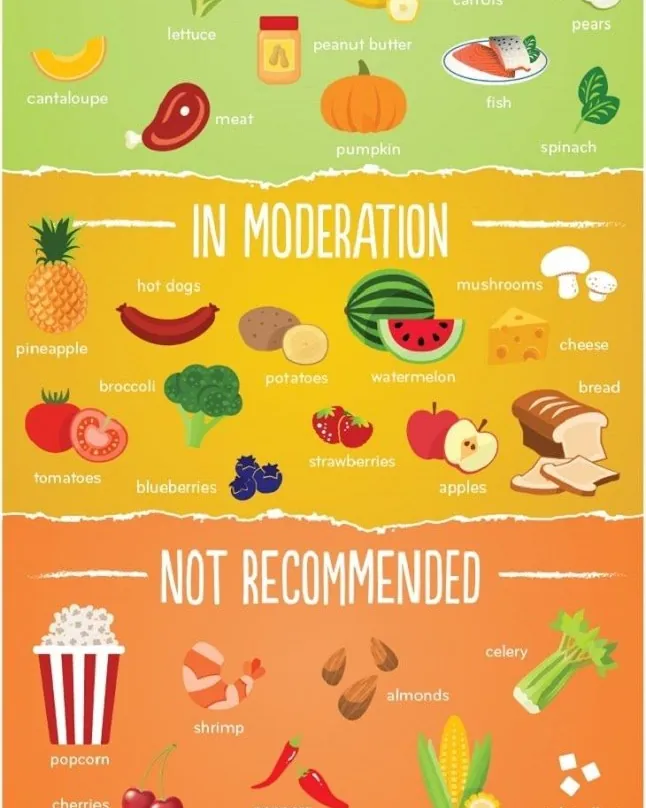
- Feeding human table scraps often leads to obesity and can introduce toxic ingredients like onions or grapes.
- Switching food brands abruptly causes stomach upset, so always mix the new food with the old over seven days.
- Adding too many supplements without a vet’s advice can create dangerous vitamin imbalances in your dog’s body.
- Giving raw bones risks broken teeth and internal punctures, which are expensive and painful medical issues.
Frequently asked questions
Can I feed my dog human food?
You can safely offer small amounts of plain, cooked human foods like lean chicken, carrots, or green beans as occasional treats. Never feed your dog chocolate, grapes, raisins, onions, or garlic.
How often should I feed my dog?
Most adult dogs should eat two meals per day, while puppies require three to four smaller meals to support their rapid growth. Follow the guidelines on your specific food label.
Is it safe to feed a dog once a day?
It’s generally safe for some adult breeds, but two meals are better for digestion and preventing the hunger-related vomiting that happens with long gaps between feedings.
What happens if my dog eats too much?
Obesity is the most common result of overfeeding, which leads to joint pain, heart disease, and a shorter life span for your pet. Keep portions strictly measured daily.
Does it matter if the food is grain-free?
It doesn’t matter for most dogs unless your veterinarian confirms a specific grain allergy through clinical testing. Focus on the complete nutritional profile rather than the ingredients.
How long does a bag of food last?
The duration depends on your dog’s weight and the daily serving size listed on the bag.
Consistent, high-quality meals support your dog’s long-term health. Keep fresh water nearby, stick to a regular schedule, and talk to your vet if you notice changes in your dog’s appetite or energy levels.
Conclusion
It’s a good idea to chat with your vet before making any big changes to your pup’s bowl. They’ll help you pick the best options for your friend’s specific health needs. Once you’ve settled on a plan, you’ll feel much more confident that you’re keeping your companion happy and healthy every day.