

To feed your dogs a healthy diet, provide a balance of proteins, fats, and carbohydrates tailored to their specific life stage to ensure they receive proper nutrition.
What to feed your dogs for health
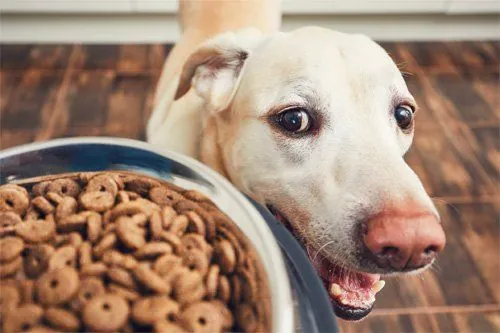
A healthy dog requires a mix of proteins, fats, and vitamins. If your dog is a puppy, they need more calories per pound than an adult to support growth; if they’re a senior, they often need fewer calories to maintain a healthy weight.
- Feed high-quality animal protein like chicken, beef, or fish as the first ingredient.
- Include healthy fats like fish oil to support skin and coat health.
- Add complex carbohydrates like brown rice or sweet potatoes for sustained energy levels.
- Limit treats to 10% of your dog’s total daily caloric intake.
- Provide fresh, clean water at all times to aid digestion.
Why Quality Ingredients Matter
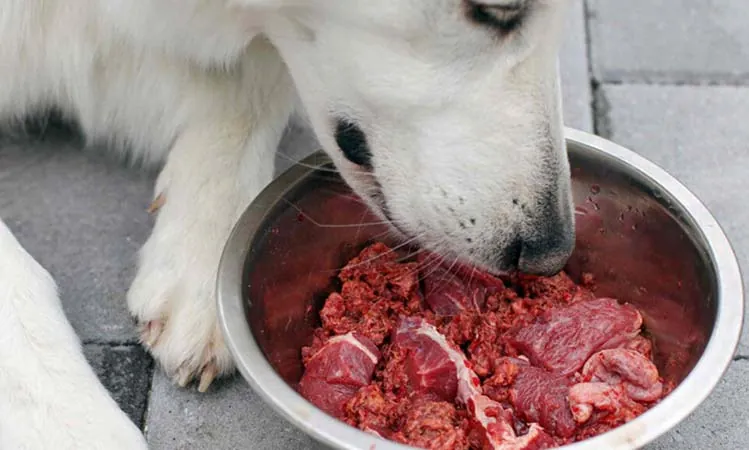
Dogs are facultative carnivores, meaning they’re biologically adapted to consume animal-based proteins while being able to process some plant matter. Commercial kibble or wet food provides these specific ratios of amino acids and minerals. Reputable brands provide safety testing to ensure food is free from bacteria or toxins.
Cheap, low-grade fillers often lack the bioavailable nutrients a dog needs, which can lead to poor digestion or skin issues over time. Consult a veterinary nutritionist if preparing meals at home to ensure nutritional balance.
Adjusting for Different Needs
| Situation | What changes | What to do instead |
|---|---|---|
| Puppy | High calorie count | Use growth-specific formulas |
| Senior | Lower calorie count | Switch to senior diets |
| Allergies | Protein source | Try limited ingredient foods |
| Overweight | Daily portion size | Reduce intake by 10% |
| Pregnant | Nutrient density | Feed puppy-stage food |
How to Feed Your Dog Properly
- Read the feeding guide on the bag to determine the starting portion based on your dog’s current weight.
- Use a standard measuring cup for every meal to keep calories consistent rather than guessing the amount by eye.
- Divide the total daily amount into two equal meals to help digestion and keep your dog satisfied all day.
- Monitor your dog’s body condition; you should be able to feel their ribs without seeing them poking out clearly.
- If you see weight gain, reduce the portion by 5% and re-evaluate your dog’s body shape after two weeks.
- Transition to new food over 7 days by mixing 25% new food with 75% old, slowly increasing the ratio daily.
Common Feeding Mistakes
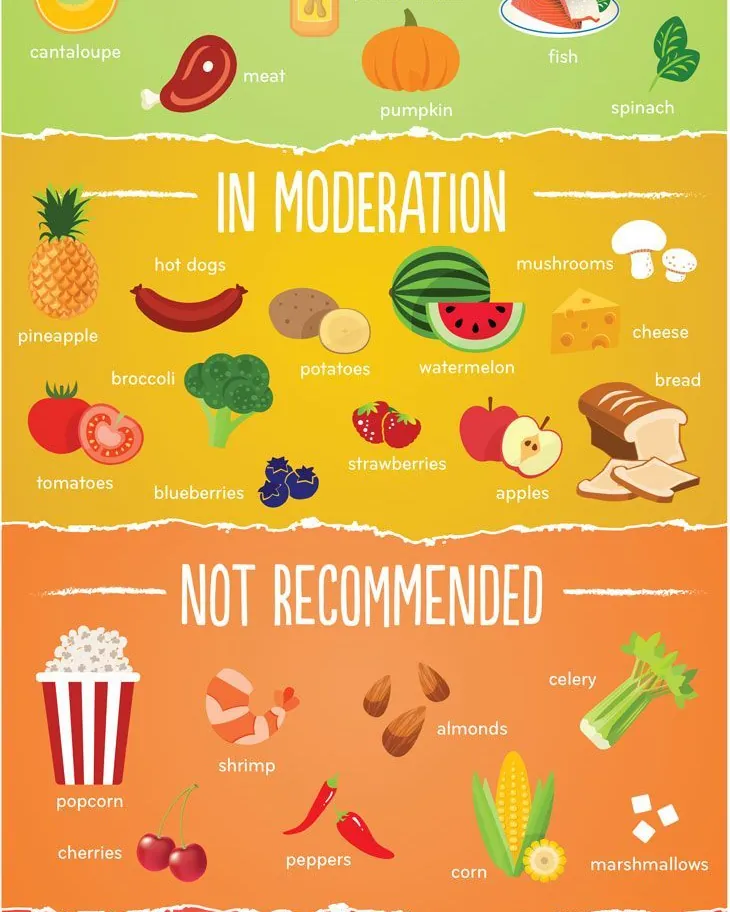
- Feeding table scraps leads to obesity and can cause stomach upset or pancreatitis.
- Giving food too quickly can cause bloat in deep-chested breeds, so use a slow-feeder bowl.
- Changing diets abruptly ruins your dog’s gut health, often resulting in diarrhea or vomiting.
- Overlooking the calorie count in treats leads to hidden weight gain that’s hard to reverse.
Frequently asked questions
How much should I feed my dog daily?
You should feed your dog based on their weight and activity level, usually following the specific gram or cup recommendations printed on your chosen brand’s packaging.
Is it safe to feed my dog human food?
It’s safe to share plain cooked meats or vegetables, but never feed your dog onions, garlic, grapes, chocolate, or anything containing the sweetener xylitol.
How often should I change my dog’s food?
You should only change your dog’s food if their life stage changes or if they develop a health issue, and you must do it over one week.
What happens if my dog eats too much?
Your dog will likely gain excess weight, which puts dangerous pressure on their joints and organs, so track their daily intake and adjust portions immediately.
Does it matter if I feed wet or dry food?
It doesn’t matter for health as long as the food is nutritionally complete, though dry food is often better for dental health and convenience.
Why do some dogs need grain-free food?
Some dogs have specific grain allergies, but you should only switch to grain-free diets if your veterinarian confirms an allergy through a proper clinical test.
How long does an opened bag of food last?
An opened bag of dry food lasts about 4 to 6 weeks before it loses freshness, so store it in an airtight container in a cool place.
Feeding your dog correctly is a daily commitment to their long-term health.
Conclusion
Always keep a close eye on your pet’s energy levels and coat condition as they grow. If you’re ever unsure about the best portions or specific ingredients, don’t hesitate to chat with your vet. They’ll help you tailor a meal plan that’s just right for your furry friend’s unique needs.