
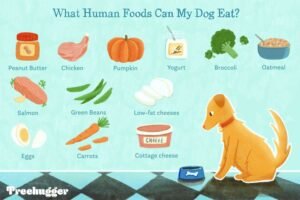
You can safely feed a dog plain, cooked proteins like chicken or beef, as well as many common vegetables, provided you avoid toxic ingredients.
The most important thing to remember is that dogs have different nutritional needs than humans. A common mistake is sharing table scraps, which are often high in salt, fat, or hidden toxins like onions.
If your dog is healthy, you can offer small amounts of human food as treats; if your dog has a medical condition, you must consult your vet before changing their diet.
Best human food to feed your dog

You should only provide foods that are cooked without butter, oil, salt, or spices. Always start with very small portions to see how your dog reacts, especially if they have a sensitive stomach.
- Plain, boiled chicken breast with all skin and bones removed.
- Steamed or raw carrots, which provide a crunchy, low-calorie snack.
- Cooked sweet potatoes, which are a great source of fiber and vitamins.
- Plain white rice, which is easy to digest if your dog has an upset stomach.
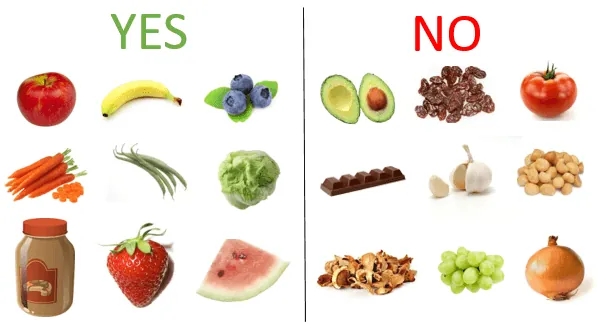
- Fresh blueberries, which are safe in moderation as a high-antioxidant treat.
Tip: Always remove seeds and pits from fruits like apples, as they contain small amounts of cyanide that can be harmful to dogs.
Tip: Never feed your dog grapes or raisins, as these are linked to sudden kidney failure in dogs, as noted by the U.S. Food and Drug Administration.
Preparation and feeding time
The time it takes to prepare these foods depends on the cooking method you choose. Steaming vegetables takes less time than boiling chicken, and the size of the food pieces will change how quickly they cook through.
| Food Item | Prep Time | What changes it | What to watch for |
|---|---|---|---|
| Chicken breast | 15-20 min | Thickness of meat | Ensure no pink remains |
| Sweet potato | 25-30 min | Size of cubes | Should be fork-tender |
| White rice | 15-20 min | Amount of water | Ensure it isn’t mushy |
| Carrots | 5-10 min | Method (raw vs steamed) | Choking hazards |
If the food is still hard or cold in the middle, continue cooking for another 2-3 minutes before serving.
Signs of a healthy reaction
When you introduce new food, watch your dog closely for 24 hours. A healthy dog should have normal energy levels and consistent bowel movements. If your dog experiences vomiting, diarrhea, or unusual lethargy, stop the new food immediately. The definitive way to know if a food is safe for your specific dog is to monitor their stool and overall behavior after the first few bites. If symptoms persist for more than one day, contact your veterinarian for advice.
Common feeding mistakes
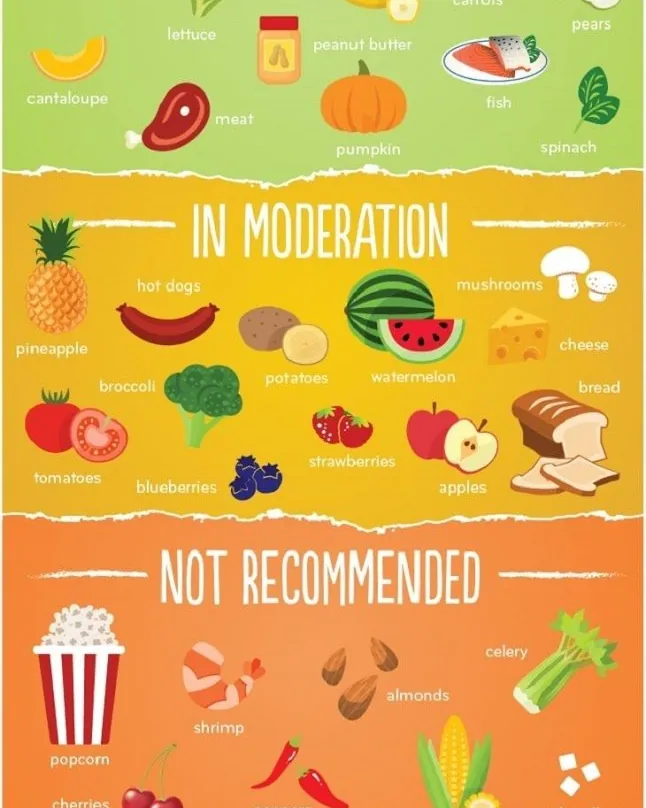
- Adding seasonings: Many spices, especially garlic and onion powder, are toxic to dogs and can cause anemia. Stick to plain, unseasoned ingredients for every meal.
- Giving cooked bones: Cooked bones become brittle and can splinter in a dog’s throat or stomach, leading to internal injuries. Always remove all bones before serving meat to your pet.
- Overfeeding treats: Treats should never make up more than 10% of a dog’s daily caloric intake. Use these foods as rewards rather than full meal replacements to avoid obesity.
- Ignoring portion limits: Feeding too much of a new food can cause sudden gastrointestinal distress. Start with a tiny piece, such as a single cube of carrot or a small shred of chicken.
Frequently asked questions
Can dogs eat peanut butter?
Yes, dogs can eat peanut butter as long as it doesn’t contain xylitol. Xylitol is a common artificial sweetener that’s extremely toxic to dogs, even in small amounts. Always check the label on the back of the jar to ensure xylitol isn’t listed as an ingredient before sharing.
How much chicken can a dog eat?
A dog can eat about 1-2 ounces of plain, boiled chicken as a treat, assuming they’re a medium-sized dog. If your dog is smaller, reduce this amount by half. Chicken should only be an occasional supplement to their regular, nutritionally balanced dog food diet, not a daily replacement.
Is it safe to feed dogs raw eggs?
No, it isn’t recommended to feed dogs raw eggs due to the risk of Salmonella or E. coli. Cooking eggs thoroughly until the yolk and white are firm significantly reduces the risk of Salmonella or E. coli infection.
What happens if my dog eats chocolate?
Chocolate contains theobromine, which is dangerous to dogs and can cause heart problems or seizures. If your dog eats any amount of dark chocolate or baking chocolate, call your veterinarian immediately. The danger level depends on the dog’s weight and the type of chocolate, but it’s always an emergency.
Can dogs eat bananas?
Yes, dogs can eat bananas in moderation because they’re high in sugar. Limit your dog to 1-2 slices at a time, depending on their size. Because of the high sugar content, feeding too much can lead to weight gain or digestive issues if done too frequently throughout the week.
How often can I give my dog human food?
You should limit human food to no more than 10% of your dog’s total daily calories. This ensures they still get the vitamins and minerals they need from their regular, formulated dog food. If you give too many treats, your dog may stop eating their regular meals, leading to nutritional imbalances.
Conclusion
Providing human food to your dog can be a fun way to share a snack, but keep it simple, plain, and infrequent. Always prioritize their regular, balanced diet to ensure they get the nutrients they need for a long, healthy life.
Related guides