
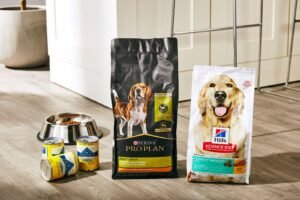
The best diet food for dogs is a high-protein, fiber-rich formula that helps your pet feel full while maintaining muscle mass. You should look for a calorie-controlled meal prescribed or approved by a veterinary nutritionist to ensure your dog loses fat, not essential nutrients, while on a weight-loss plan.
Weight loss success depends on strict calorie counting rather than just switching brands. If you feed your dog a “light” version but keep giving them the same volume of food and extra treats, they won’t lose weight. The biggest mistake people make isn’t measuring food with a kitchen scale, which often leads to overfeeding by 20% or more.
Choosing the best diet food for dogs
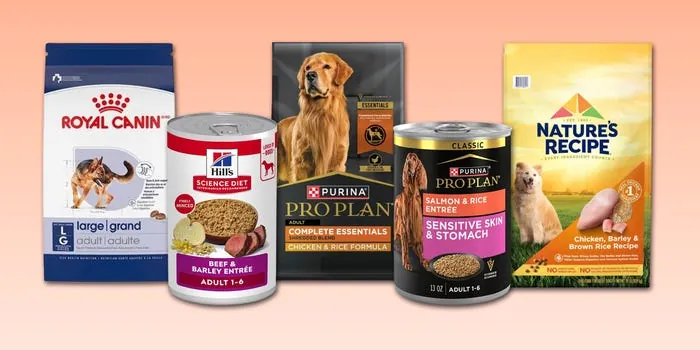
- Calculate your dog’s current daily calorie needs by consulting your veterinarian. You can use the World Small Animal Veterinary Association body condition score guide to see if your pet needs to lose weight.
- Weigh every meal using a digital kitchen scale instead of a measuring cup. A cup can be inaccurate depending on the kibble size and how it’s packed.
- Replace 10% of the daily kibble allowance with low-calorie, dog-safe vegetables like green beans or carrots. This adds volume to the bowl without adding significant calories.
- Schedule weigh-ins every two weeks to track progress. If your dog isn’t losing weight, reduce the daily intake by 5% until you reach the target.
- Record every treat given throughout the day. If you struggle to track these, stop giving snacks until the weight goal is met.
Tip: If your dog begs constantly, try using a puzzle feeder. It slows down the eating process and makes the meal last longer.
Time Required for Weight Loss
Healthy weight loss for dogs is slow. A safe goal is to reduce your dog’s body weight by 1% to 2% per week.
| Dog Size | Weekly Goal | Common Timeframe | What to Watch For |
|---|---|---|---|
| Small (10 lbs) | 0.1 – 0.2 lbs | 3 – 5 months | Ribs becoming visible |
| Medium (40 lbs) | 0.4 – 0.8 lbs | 4 – 6 months | Waist tuck appearing |
| Large (80 lbs) | 0.8 – 1.6 lbs | 6 – 8 months | Increased energy levels |
If your dog loses weight faster than this, they may be losing muscle. Consult your vet to adjust the calorie intake immediately.
Identifying When Your Dog Reaches the Goal

You can tell your dog is at an ideal weight by looking for a visible waistline when viewed from above. When you touch their rib cage, you should feel the ribs easily under a thin layer of fat without having to press hard. If you see a sagging belly or a thick neck, they likely need more time on the diet. The final test is a vet check-up to confirm the body condition score is in the healthy range.
Common Dieting Mistakes
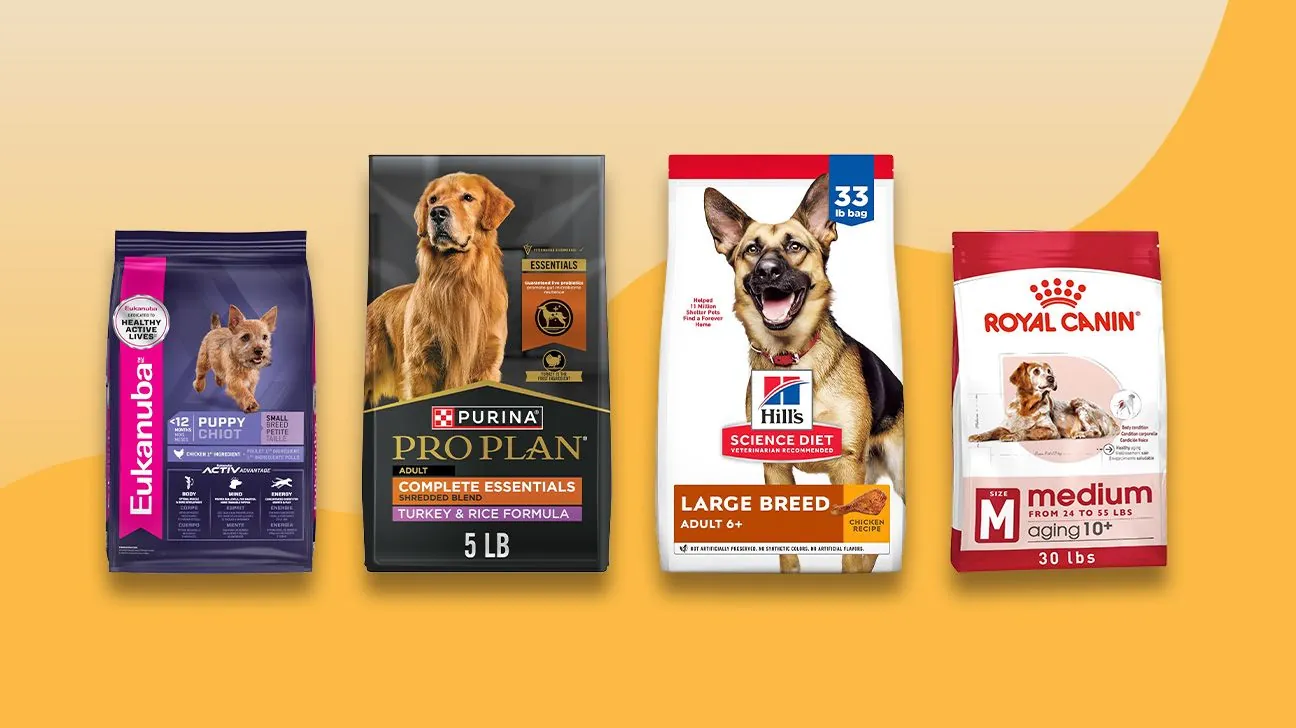
- Feeding based on the bag instructions. Manufacturers often overestimate portion sizes to ensure dogs don’t go hungry, which leads to weight gain. Always follow the specific gram amount your vet recommends based on your dog’s activity level and metabolism.
- Assuming treats don’t count. Most dog treats are high in fat and sugar, which can easily double the daily calorie count. If you must give treats, use small pieces of cucumber or plain boiled chicken breast instead of store-bought snacks.
- Ignoring exercise changes. A sedentary dog needs fewer calories than an active one. If your dog’s mobility is limited, you must adjust the food portion downward to match the lower energy output.
Frequently asked questions
Can I just feed my dog less of their normal food?
No, you shouldn’t simply reduce the portion of regular food. Doing this creates a nutrient deficiency because the food isn’t formulated to provide all necessary vitamins and minerals in smaller amounts. Use a specialized weight-management formula that keeps nutrients high while lowering calories.
How do I know if my dog is hungry or just bored?
If your dog follows you around or paws at the bowl right after eating, they’re likely bored rather than hungry. Try an interactive toy or a short walk to distract them. If they’re truly hungry, they will be calm once they realize no more food is coming.
Is it safe for my dog to lose weight quickly?
No, rapid weight loss is dangerous for dogs and can lead to liver issues or muscle wasting. A safe rate of loss is 1% to 2% of body weight per week. Anything faster than this requires a vet to oversee the caloric reduction.
What should I do if my dog refuses the diet food?
If your dog refuses the new food, try mixing it with the old food over 7 days. Start with 25% new and 75% old, slowly increasing the new food amount each day. If they still refuse to eat after 24 hours, contact your vet to rule out illness.
Do I need to buy expensive prescription food?
You don’t always need prescription food, but it’s often the safest choice for dogs with significant weight to lose. Prescription diets are strictly controlled for calorie density and fiber. If your dog only needs to lose a pound or two, a high-quality commercial “light” kibble may suffice.
How often should I weigh my dog?
You should weigh your dog every two weeks to monitor their progress effectively. Minor weight fluctuations are normal, so daily weighing is unnecessary and potentially misleading. Always use the same scale to ensure your data remains consistent and accurate for your veterinarian to review.
Conclusion
Transitioning to a new feeding routine takes patience, but your dog will feel much more energetic once they reach a healthy weight. Don’t hesitate to schedule a quick check-up with your vet to track their progress. They’ll be happier and more active, and you’ll both enjoy many more healthy years together.