
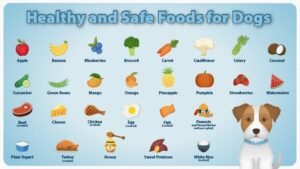
High-quality commercial dog food that meets AAFCO standards provides a complete and balanced diet for your pet. You must ensure the label says the food is appropriate for your dog’s specific life stage, such as puppy or adult.
Quick guide to healthy canine nutrition
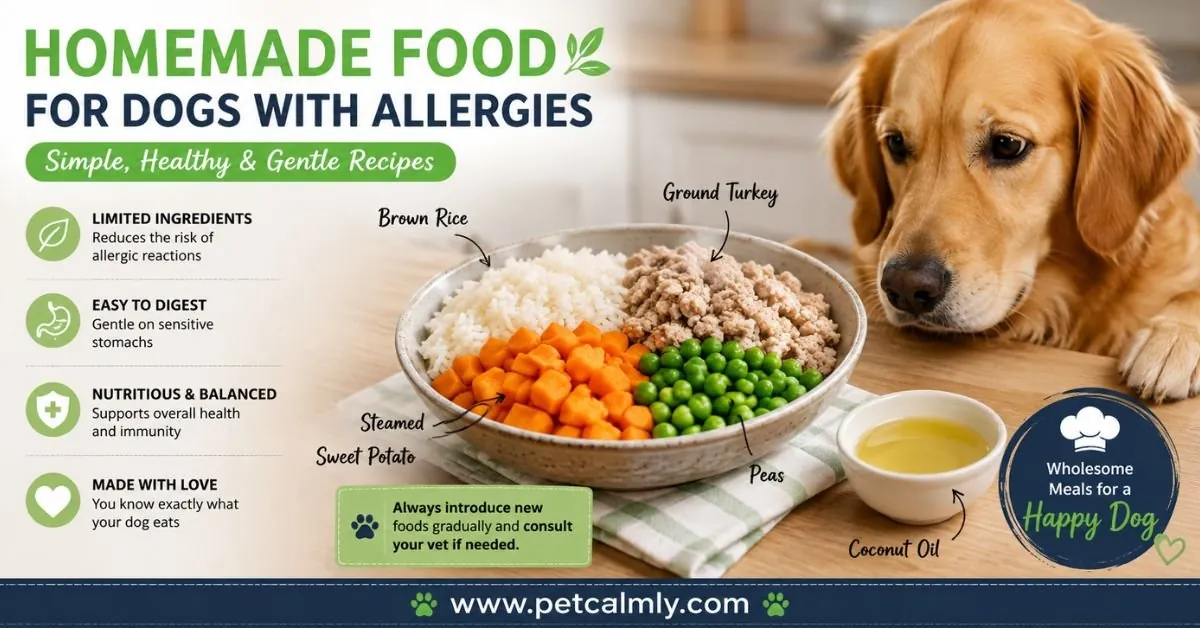
- Choose diets labeled “complete and balanced” by the Association of American Feed Control Officials.
- Always provide fresh, clean water in a stainless steel or ceramic bowl at all times.
- Feed your dog based on their ideal weight rather than their current weight if they’re overweight.
- Avoid feeding table scraps, as many human foods contain ingredients that are toxic to dogs.
- Consult your veterinarian before starting any new diet, especially if your dog has health issues.
Why balanced nutrition matters for dogs
Dogs require a precise balance of proteins, fats, carbohydrates, vitamins, and minerals to maintain their health. When a food is labeled as “complete and balanced,” it means the manufacturer has formulated the recipe to meet the nutritional levels established for a specific life stage. If you feed a puppy food meant for an adult, they may not get the extra calcium or protein needed for growth. Conversely, feeding high-calorie puppy food to an inactive adult can lead to obesity.
The FDA Center for Veterinary Medicine provides guidance on reading labels to identify these nutritional adequacy statements. You should check the back of the bag for the AAFCO statement to confirm the food has undergone testing or formulation analysis. Never assume that “natural” or “premium” on the front of a bag means the food is nutritionally complete. Always rely on the guaranteed analysis and the adequacy statement found in the fine print.
When dietary needs change
Photo: www.aseertime.com on Google
| Situation | What changes | What to do instead |
|---|---|---|
| Puppyhood | Higher energy needs | Feed puppy-specific formula |
| Senior years | Lower calorie needs | Switch to senior diet |
| Allergies | Ingredient sensitivity | Use limited-ingredient food |
| Pregnancy | Increased nutrient demand | Feed high-calorie growth diet |
| Obesity | Calorie intake | Reduce portions by 10% |
How to transition your dog to new food
- Start by mixing 25% of the new food with 75% of the old food for two days.
- Increase to 50% new food and 50% old food for the next two days to monitor digestion.
- Move to 75% new food and 25% old food for two final days of the transition period.
- Serve 100% of the new food on the seventh day if the dog shows no signs of stomach upset.
- Watch for loose stools or vomiting, which indicate the change is happening too quickly for their system.
- Divide the daily total amount into two equal meals to prevent bloating and improve digestion for your dog.
Common mistakes that ruin canine health
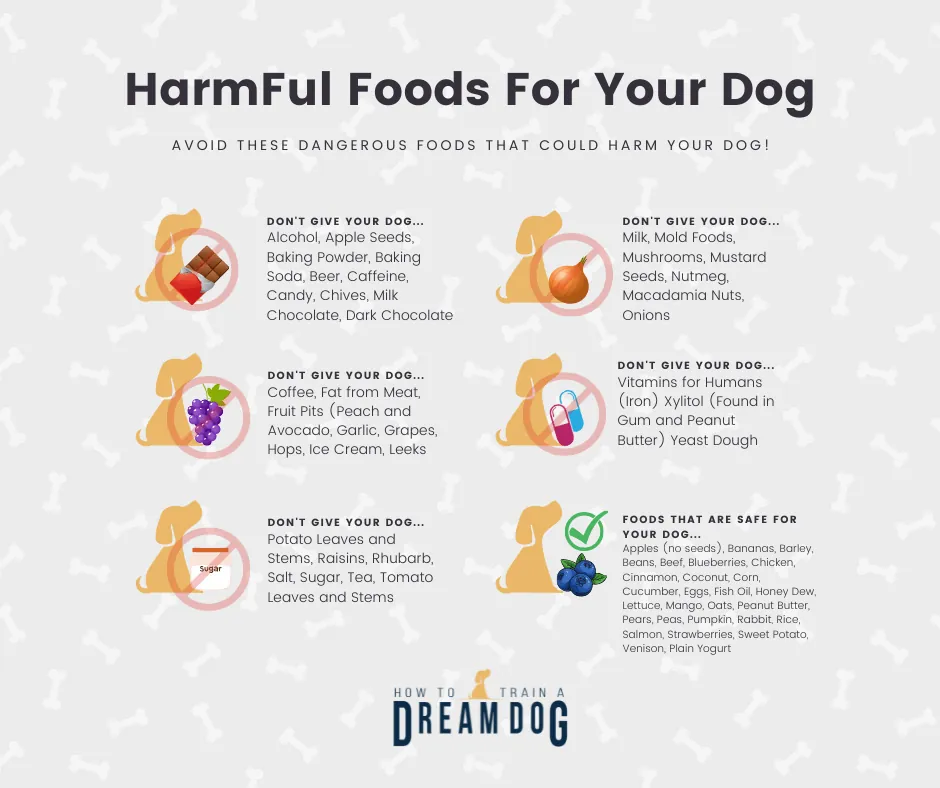
Feeding dogs human foods like grapes, onions, or chocolate can cause rapid organ failure. Even small amounts of xylitol, found in sugar-free gum and peanut butter, trigger dangerous insulin spikes.
Guessing portion sizes by eye leads to unintended weight gain. Use a standard measuring cup for every meal. If your dog’s ribs aren’t easily felt under a light touch, reduce their intake by ten percent immediately.
Switching food brands abruptly causes severe digestive distress. Always transition over seven days by mixing twenty-five percent new food with seventy-five percent old, increasing the ratio daily.
Leaving food out all day makes it impossible to track caloric intake. If your dog ignores a meal for twenty minutes, remove the bowl. This prevents obesity and helps you spot illness early.
Frequently asked questions
Can dogs eat cooked chicken and rice?
Yes, you can feed dogs plain cooked chicken and white rice as a bland meal during short-term stomach upset. Don’t add seasonings, onions, or garlic, as these are toxic. Use this only for 24-48 hours before returning to their normal balanced diet.
How much should I feed my dog daily?
You should feed your dog the exact amount listed on the food bag for their current weight and activity level. If your dog is gaining weight, reduce the portion by 5% and monitor their body condition over the next two weeks.
Is grain-free food better for dogs?
No, grain-free food isn’t inherently better for dogs unless a veterinarian has diagnosed a specific grain allergy. Most dogs digest grains like rice and oats easily, and these provide essential energy and fiber for a healthy digestive tract.
How long does an opened bag of dog food last?
An opened bag of dry dog food stays fresh for about 4-6 weeks if stored in a cool, dry place. Keep the food in its original bag to maintain the fat coating and prevent the food from going rancid over time.
Is it safe to feed dogs raw meat?
No, feeding raw meat carries a high risk of bacterial contamination like Salmonella or Listeria for both the dog and the human household. Cooking meat to the appropriate internal temperature for the specific type of meat is the standard way to effectively kill harmful pathogens.
What happens if my dog eats chocolate?
Chocolate contains theobromine, which is toxic to dogs and requires immediate veterinary attention. The severity depends on the type of chocolate and the dog’s weight, so call your local emergency animal clinic or a poison control center right away.
Proper nutrition is the foundation of a long life for your dog. By choosing balanced meals and monitoring their intake, you ensure they stay healthy and energetic for years to come.
Conclusion
When you decide to introduce new snacks or fresh ingredients, start with very small portions to see how your pup’s tummy reacts. It’s a good idea to chat with your vet before making any big changes to their bowl. They’ll help you keep your furry friend happy and healthy for years.
Related guides