
Choose a balanced commercial dog food that meets AAFCO standards to ensure your pet receives essential nutrients. These diets provide the correct ratios of protein, fats, and minerals to give owners confidence in their dog’s nutrition.
Feeding your dog correctly depends on its life stage and activity level. If your dog is a growing puppy, it needs more calories and protein than an adult. If your dog is a senior, it may need fewer calories to prevent weight gain. The most common mistake is feeding by “eye” rather than using a measuring cup, which often leads to obesity.
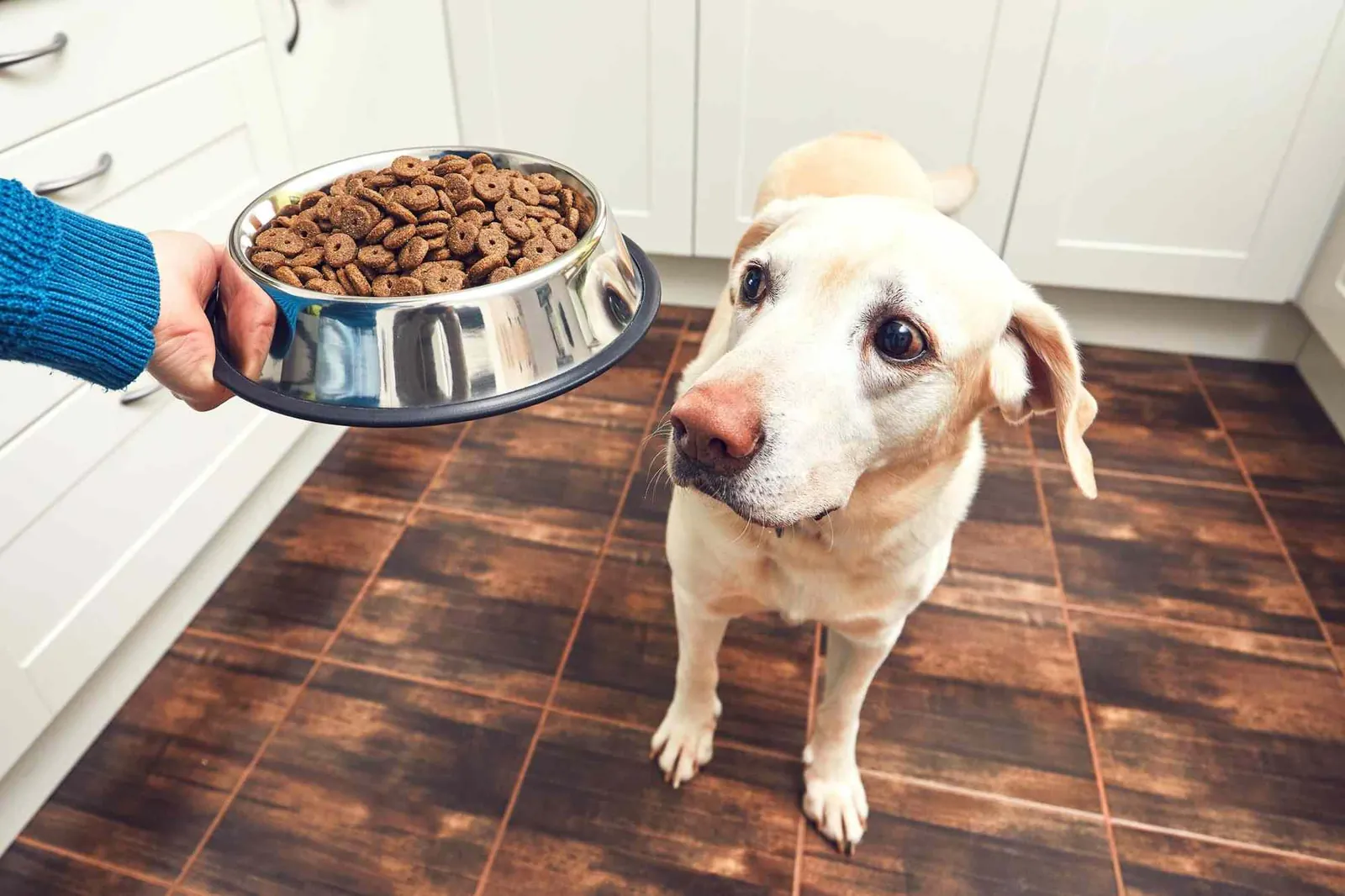
Best food to give your dog
Photo: airoteka.lt on Google
Follow these steps to establish a healthy eating routine for your dog. Always consult your veterinarian before making major changes to your pet’s diet.
- Select a high-quality commercial dog food labeled as “complete and balanced” for your dog’s specific life stage.
- Measure the exact amount of food recommended on the product label based on your dog’s current weight.
- Divide the total daily amount into two equal meals to help digestion and keep your dog satisfied throughout the day.
- Use a standard measuring cup, not a random bowl, to ensure you aren’t overfeeding your pet.
- Provide fresh, clean water in a bowl that’s washed daily to prevent bacterial growth.
- Limit treats to no more than 10% of your dog’s total daily calorie intake to maintain a healthy weight.
Tip: If your dog refuses to eat for more than 24 hours, contact your veterinarian immediately, as this can indicate a serious health issue.
Factors Influencing Feeding Time
The time it takes to transition to new food or the duration of a feeding routine varies based on your dog’s health needs.
| Situation | How long | What changes it | What to watch for |
|---|---|---|---|
| Food transition | 7-10 days | Digestive sensitivity | Loose stools or gas |
| Puppy feeding | 3-4 meals daily | Growth rate | Energy levels |
| Adult maintenance | 2 meals daily | Activity level | Body weight |
| Senior care | 2 meals daily | Metabolism speed | Joint stiffness |
If your dog is losing weight despite eating the recommended amount, visit your vet to check for underlying health conditions. You can read more about nutritional requirements for pets on the official FDA website.
Judging Your Dog’s Condition
You can tell if you’re feeding the right amount by checking your dog’s body condition. You should be able to feel your dog’s ribs without pressing hard, but you shouldn’t see the ribs sticking out. A healthy dog has a visible “waist” when viewed from above and a slight tuck in the abdomen when viewed from the side. If the dog looks round or lacks a waist, it’s likely overweight and needs a slight reduction in portion size.
Mistakes That Ruin Health
- Feeding human table scraps. These foods are often too high in fat or salt and can contain ingredients like onions or garlic that are toxic to dogs. Always stick to formulated dog food to ensure nutritional balance.
- Rapid diet changes. Switching brands overnight can cause severe stomach upset, vomiting, or diarrhea. Mix the new food with the old food, increasing the new portion slowly over a week.
- Leaving food out all day. Free-feeding leads to overeating and makes it impossible to track how much your dog actually consumes. Use scheduled mealtimes to keep portions controlled and behavior predictable.
- Ignoring calorie density. A cup of one food brand can have double the calories of another. Always read the back of the bag for the specific caloric content per cup.
Frequently asked questions
How much food should I give my dog?
You should give your dog the amount listed on the food packaging based on their current weight and activity level. Start with the lower end of the recommended range and adjust if your dog gains or loses weight. Your veterinarian is the best person to help you calculate the specific calories needed.
Is it safe to feed my dog raw meat?
No, the American Veterinary Medical Association discourages feeding raw or undercooked animal-source protein to dogs. Raw diets often carry high risks of bacterial contamination like Salmonella and Listeria, which can pose a significant health threat to both your dog and the people living in your home.
How often should I feed my dog?
You should feed your adult dog twice daily, once in the morning and once in the evening. Puppies under six months of age usually require three to four smaller meals per day to support their high energy needs and steady growth. Always maintain a consistent schedule for your pet.
Can I give my dog fruits and vegetables?
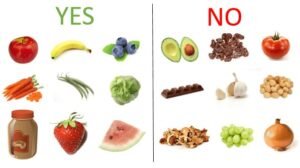
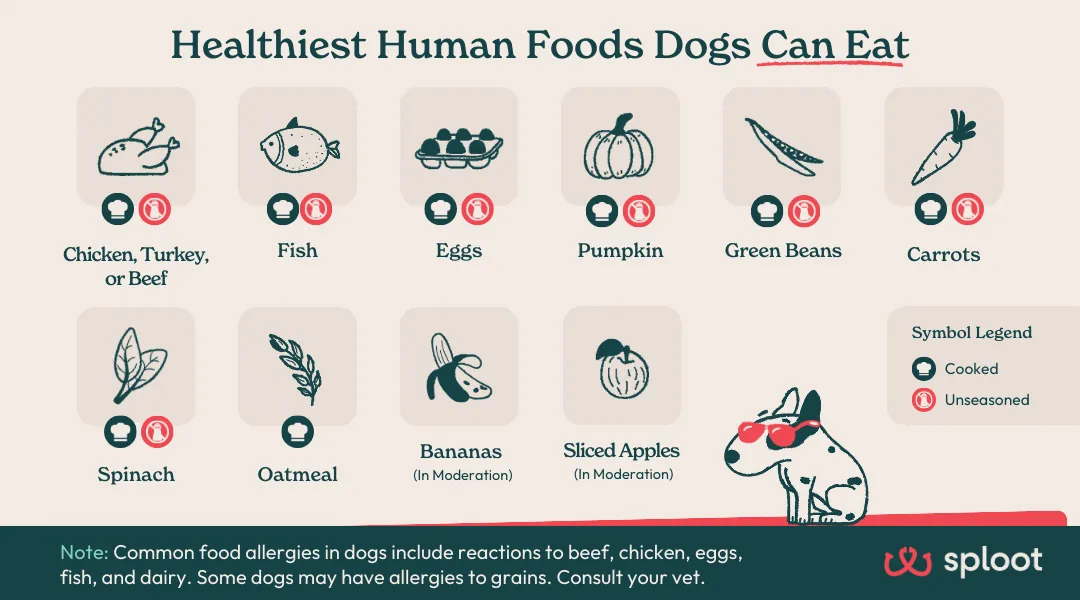
Yes, you can give your dog small amounts of dog-safe vegetables like carrots or green beans as healthy treats. Never feed your dog grapes, raisins, onions, garlic, or macadamia nuts, as these are toxic. Always wash fresh produce thoroughly before offering it to your pet to remove any chemical residue.
Why is my dog not eating?
Your dog may not be eating due to stress, a change in environment, or a medical issue like dental pain or illness. If your dog skips more than two consecutive meals or shows signs of lethargy, you must take them to a veterinarian for a physical examination.
What should I do if my dog is overweight?
Reduce your dog’s portion sizes slightly and increase their daily exercise to help them reach a healthy weight. Consult your veterinarian before starting a diet to ensure your pet still receives all necessary nutrients. Aim for slow, steady weight loss, as rapid changes can be dangerous for your dog.
Conclusion
Watching your dog thrive is one of the best parts of being a pet parent. If you’re ever unsure about a new treat or snack, don’t hesitate to give your vet a quick call. They’ll help you make sure your furry friend stays happy and healthy for years to come.