
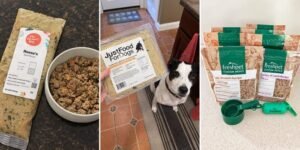
No single brand stands above all others, but choosing the best fresh dog food for your pet depends on whether it meets the nutritional standards set by the Association of American Feed Control Officials.
Fresh food is usually defined by its high moisture content and minimal processing compared to dry kibble. The most important factor for success is ensuring the brand offers a diet tailored to your dog’s specific life stage, such as puppy growth or adult maintenance.
The most common mistake owners make is switching their dog’s diet too quickly. This often leads to digestive upset, including vomiting or diarrhea, because the gut microbiome needs time to adjust to new proteins and fiber levels.
Choosing the Best Fresh Food Brand
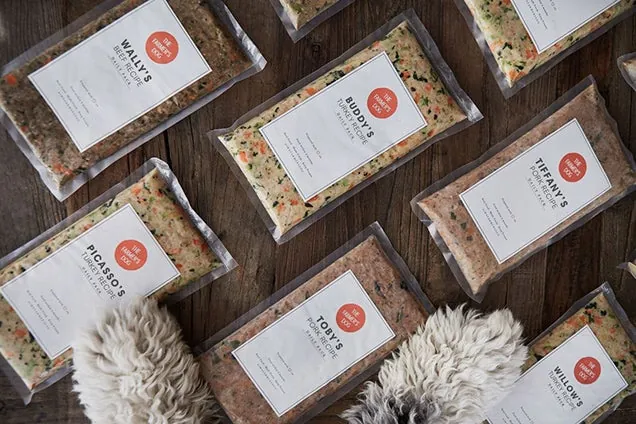
- Consult your veterinarian before changing your dog’s diet, especially if your pet has existing health conditions or allergies.
- Select a brand that publishes its full nutrient profile and uses high-quality ingredients that meet AAFCO nutritional standards.
- Transition the food over a period of 7 to 10 days by mixing increasing amounts of the new fresh food with the old diet.
- Store all fresh food in the refrigerator at or below 40°F, and freeze any portions you won’t use within three days to maintain safety.
- Serve the food at room temperature to improve palatability, but never leave it out for more than two hours to prevent bacterial growth.
Tip: If your dog refuses the fresh food, try mixing in a small amount of warm water or low-sodium bone broth to release the natural aromas.
Timeframes for Diet Transitions
| Situation | Timeframe | What changes it | What to watch for |
|---|---|---|---|
| Healthy adult dog | 7 days | Sensitivity of stomach | Loose stool or gas |
| Puppy or senior | 14 days | Digestion speed | Changes in energy |
| Dog with allergies | 21 days | Need for elimination | Skin irritation |
If you notice your dog is still having stomach issues after two weeks of a slow transition, stop the new food and contact your veterinarian immediately.
Checking for Freshness and Quality
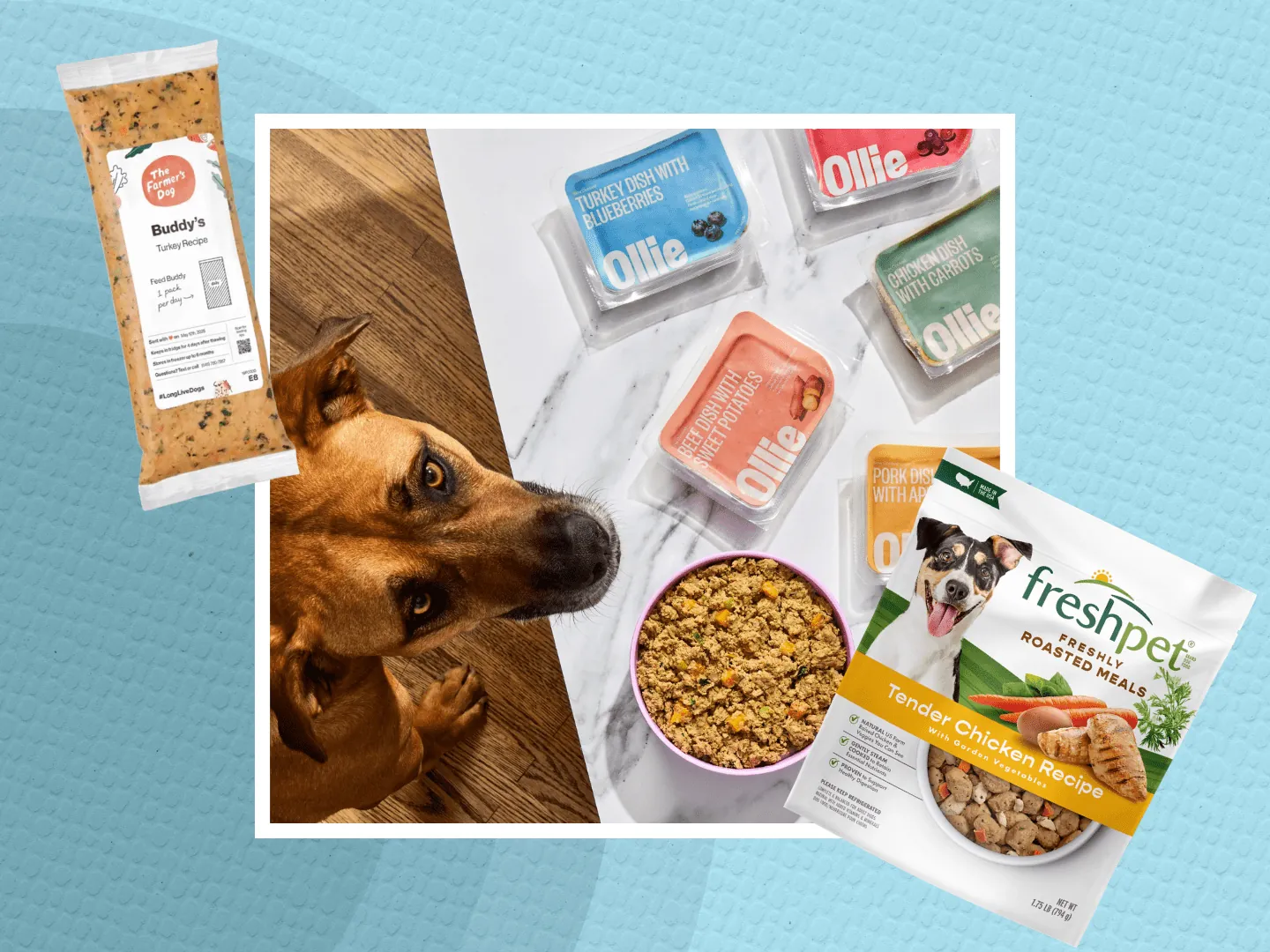
You can tell if a fresh food is high quality by looking for whole, identifiable ingredients like muscle meat, vegetables, and organ meats listed first. Avoid brands that rely heavily on fillers like corn or soy. The food should look and smell like real ingredients rather than a processed paste.
If the food is gray, slimy, or has an off-putting sour smell when you open the package, don’t feed it to your dog. A common mistake is ignoring the moisture content. High-quality fresh food should feel dense and fibrous, not watery or mushy.
If you see excess liquid pooling at the bottom of the container, the product may have been improperly frozen or thawed. If the texture is uniform and lacks distinct fibers, it’s likely highly processed. Always prioritize visible chunks over smooth, homogenous purees.
Common Mistakes When Buying
- Ignoring the life stage label: Feeding a puppy an adult-only formula can lead to dangerous nutrient deficiencies during their critical growth months. Always check the packaging to confirm it meets the specific nutritional requirements for your dog’s age.
- Overlooking storage requirements: Fresh food is perishable and can grow mold or bacteria if left in a warm pantry or car. Always check that your delivery arrives cold and move it to the freezer or fridge immediately.
- Buying without a transition plan: Jumping straight to a new diet causes severe gastrointestinal distress for many dogs. Follow a gradual schedule to give their digestive system time to adapt to the new nutrient density.
Frequently asked questions
How much fresh food should my dog eat daily?
Your dog’s daily portion depends on their weight, age, and activity level. Most brands provide a calculator on their website based on these factors, but a general starting point is 2% to 3% of your dog’s ideal body weight in total daily food volume.
Is fresh dog food safer than kibble?
Fresh food isn’t inherently safer than kibble, as both types of food can be subject to recalls or contamination. You must follow the same hygiene rules for fresh food as you would for raw meat, including washing your hands and bowls thoroughly after every meal.
How long does fresh dog food last in the fridge?
Fresh food typically lasts for three to five days in the refrigerator once thawed. If you have more food than your dog can eat in that time, keep the extra portions in the freezer and move them to the fridge only when you’re ready to use them.
Can I mix fresh food with dry kibble?
Yes, you can mix fresh food with dry kibble to add variety and moisture to your dog’s diet. If you choose to mix, reduce the amount of kibble proportionally to ensure your dog doesn’t consume too many calories and become overweight.
What happens if I leave fresh food out too long?
Leaving fresh food out for more than two hours at room temperature creates an environment where bacteria can multiply rapidly. If you accidentally leave the food out, you should discard it immediately to prevent the risk of foodborne illness for your pet.
Conclusion
Feeding a fresh diet requires a commitment to proper storage and careful monitoring of your dog’s weight. If you notice your pet gaining or losing weight, adjust the portion sizes slightly and consult your vet to ensure their caloric intake matches their needs.