
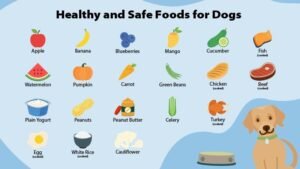
The best fresh food for dogs is a balanced, home-cooked diet formulated to meet the nutritional standards set by the Association of American Feed Control Officials. This ensures that your dog receives the correct ratio of proteins, fats, vitamins, and minerals.
Essential facts for fresh dog meals
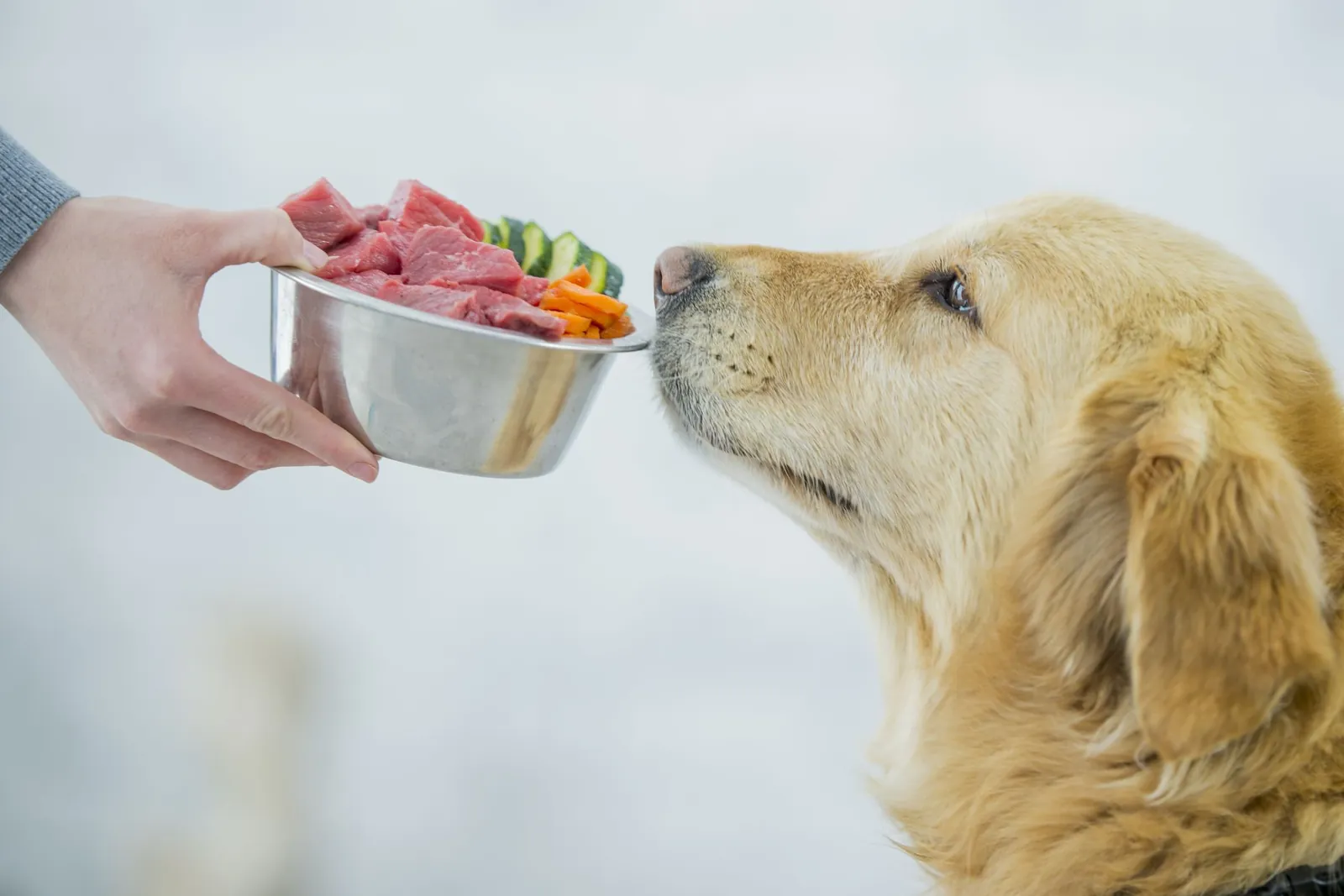
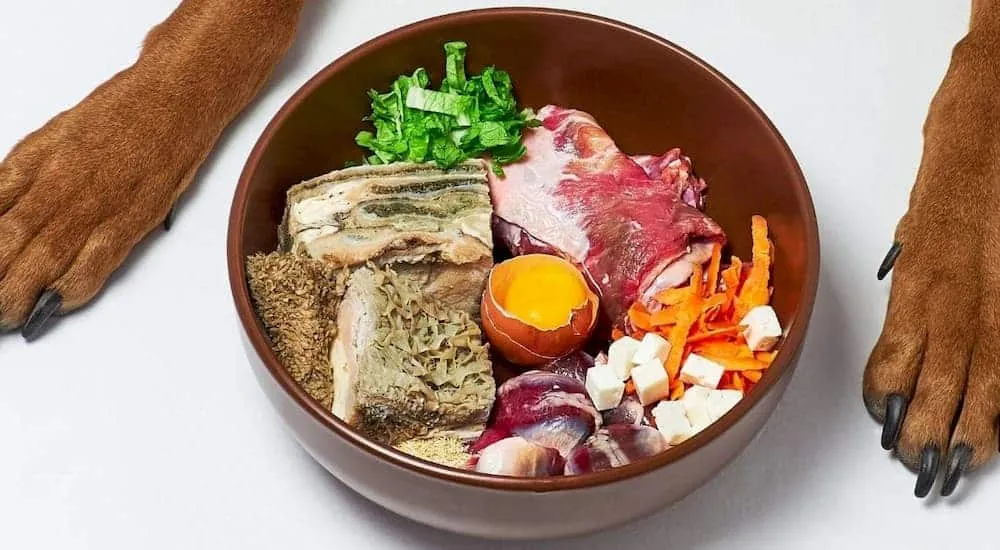
- Fresh meals must contain a protein source, healthy fats, fiber, and essential minerals to prevent deficiencies.
- Consult a veterinary nutritionist to create a recipe that matches your specific dog’s age, weight, and activity level.
- Cook all animal proteins, such as chicken or beef, to an internal temperature of 165°F to kill harmful bacteria.
- Avoid toxic ingredients like onions, garlic, grapes, raisins, and xylitol, which can cause severe illness or organ failure.
- Store fresh food in the refrigerator for no more than 3 days, or freeze portions for up to 3 months.
Why fresh food requires careful planning
Fresh food is more than just raw meat or leftover scraps from your dinner table. Dogs require a specific balance of nutrients to support their organ function, bone health, and energy levels. If you feed only muscle meat without adding calcium, organ meats, or specific vitamins, your dog will quickly develop bone density issues or metabolic imbalances.
This isn’t for owners who can’t commit to the time required for meal preparation and precise nutritional tracking. If you choose to cook at home, you must follow a recipe validated by a veterinarian. Guessing the amounts of ingredients often leads to dangerous nutrient gaps.
You should always check the official guidelines provided by your national veterinary association to understand the specific requirements for your dog’s breed and life stage. Consistency in the quality of ingredients is just as important as the recipe itself, as poor-quality fillers don’t provide the bioavailable nutrition your pet needs to thrive.
Adjusting diets for unique needs
The standard nutritional requirements for a healthy adult dog don’t apply to every situation. Your dog’s needs will change based on health conditions, size, and growth phases.
| Situation | What changes | What to do instead |
|---|---|---|
| Puppy | Calcium requirements | Use a puppy-specific, vet-approved plan |
| Senior dog | Calorie density | Lower fat content for weight control |
| Kidney disease | Phosphorus levels | Follow a strict, low-phosphorus medical diet |
| Food allergies | Protein source | Use a single-source novel protein |
| Working dog | Energy needs | Increase healthy fats and portion size |
How to prepare fresh dog meals safely
- Select a recipe verified by a veterinary nutritionist that lists exact weights for every ingredient.
- Purchase fresh, high-quality proteins and vegetables, avoiding any pre-seasoned meats or canned items with additives.
- Cook all meat products thoroughly, using a digital thermometer to ensure the center reaches the appropriate safe temperature for that specific protein.
- Steam or lightly cook vegetables to make them easier for your dog to digest and absorb.
- Mix in the required vitamin and mineral supplements after the food has cooled to room temperature.
- Portion the food into daily containers based on your dog’s specific caloric needs for that day.
- Keep all meals in the refrigerator for immediate use or move them to the freezer for storage.
Mistakes that ruin fresh nutrition
- Replacing vitamins with “human” supplements often leads to toxic overdoses, as dogs process minerals differently than people.
- Adding table scraps and seasonings can cause pancreatitis, which is a painful and life-threatening inflammation of the pancreas.
- Cooking without a scale causes massive errors in portion sizes, which leads to either rapid weight gain or malnutrition.
- Feeding raw, unwashed vegetables can expose your dog to harmful parasites that cause severe gastrointestinal distress.
Frequently asked questions
Can I feed my dog only raw meat?
Feeding only raw meat is incomplete and leads to severe nutritional deficiencies over time. Dogs need a balance of calcium, organs, and plant-based fibers to remain healthy, so you must add specific supplements to avoid long-term bone and organ damage.
How much fresh food should I feed?
The amount depends on your dog’s resting energy requirement, which you calculate based on their current weight in kilograms raised to the power of 0.75. You should consult your veterinarian to determine the exact caloric goal for your specific dog.
Is it safe to cook once a week?
It’s safe to cook once a week if you store the food properly in the refrigerator for no more than 3 days. Any food intended for the end of the week must be frozen immediately after cooling to prevent bacterial growth.
What happens if I skip the supplements?
Skipping supplements causes your dog to miss essential nutrients like calcium, taurine, and zinc, which aren’t present in sufficient amounts in muscle meat alone. This eventually leads to weak bones, heart issues, and poor skin health.
How long can I keep homemade food?
You can keep homemade food in the refrigerator for 3 days or in the freezer for up to 3 months. Always label your containers with the date they were prepared so you know exactly when they must be used or discarded.
Does it matter if I use frozen vegetables?
Frozen vegetables are perfectly fine to use, provided they don’t contain added salt, onions, or garlic. Always check the ingredient label on the bag to ensure the vegetables are plain and have no hidden additives that could be toxic.
Conclusion
Before you switch your pup to a new menu, it’s best to chat with your veterinarian. They’ll help you create a plan that fits your dog’s unique health needs. Once you’ve gotten the green light, you’ll feel great knowing you’re providing the wholesome, high-quality nutrition your best friend truly deserves.