
Dogs need a balanced diet of proteins, fats, carbohydrates, vitamins, and minerals that meet their specific life stage and breed size requirements. Choosing the right food for your dog depends on age, activity level, and health status, as these factors determine daily caloric needs.
Best food to give your dog
Photo: blog.homesalive.ca on Google
A healthy dog diet must include high-quality animal protein as the primary ingredient to support muscle growth and repair. Fats provide energy and help keep the coat shiny, while carbohydrates offer fiber for healthy digestion. You should look for labels that show the food meets nutritional standards set by veterinary professionals.
- Protein sources like chicken, beef, or fish should be listed first on the ingredient label.
- Healthy fats, such as fish oil or chicken fat, provide essential fatty acids for skin health.
- Complex carbohydrates like brown rice or sweet potatoes offer sustained energy throughout the day.
- Calcium and phosphorus must be present in balanced amounts to support skeletal development.
- Fresh water must be available at all times to help your dog digest dry kibble efficiently.
Why Quality Matters for Your Dog
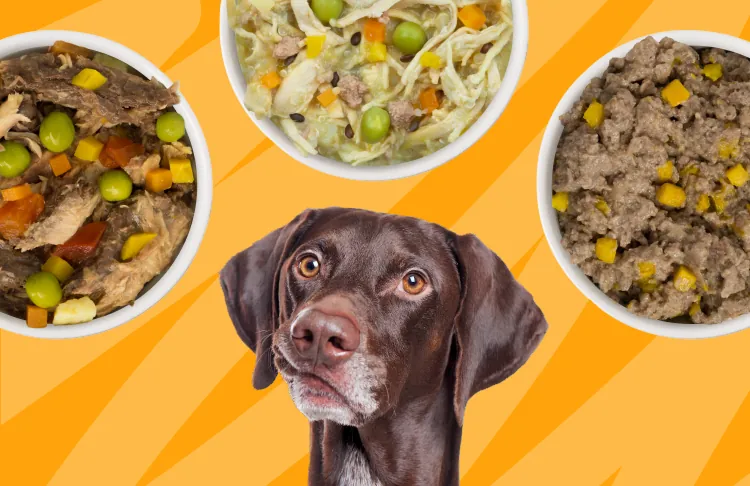
Choosing high-quality food is the most effective way to prevent long-term health issues and ensure your pet lives a full life. Commercial dog foods are formulated to provide complete nutrition, meaning they contain all necessary vitamins and minerals in the right proportions. If you pick a diet that lacks these, you risk causing nutrient deficiencies that manifest as skin problems, low energy, or poor immune function.
This document helps you confirm the minimum levels of protein and fat in the product. If your dog has specific health needs, such as kidney disease or food allergies, you must talk to your veterinarian before switching brands. They can recommend a therapeutic diet designed to manage these conditions safely without risking your dog’s overall wellness.
Situations Requiring Different Diets
| Situation | What changes | What to do instead |
|---|---|---|
| Puppy stage | Higher protein/calcium | Feed puppy-specific formula |
| Senior years | Lower calorie count | Use weight-management food |
| High activity | More fat/calories | Choose working dog blend |
| Skin allergies | Protein source | Try limited ingredient diet |
| Kidney issues | Low phosphorus levels | Vet-prescribed therapeutic food |
How to Feed Your Dog Properly
- Consult your veterinarian to determine your dog’s ideal weight and daily caloric requirements based on their current age and activity level.
- Select a high-quality commercial dog food that’s specifically labeled for your dog’s life stage, such as puppy, adult, or senior.
- Measure your dog’s food using a standard kitchen scale or measuring cup to ensure you aren’t overfeeding or underfeeding them.
- Introduce new food slowly by mixing it with the old food over 7 days, increasing the new amount each day.
- Provide fresh, clean water in a stainless steel or ceramic bowl, washing the bowl daily to prevent bacterial growth.
- Monitor your dog’s weight and body condition score monthly, adjusting the portion size slightly if you notice weight gain or loss.
Common Mistakes That Ruin Diet
- Feeding human leftovers often leads to obesity and can cause life-threatening pancreatitis from excess fat.
- Ignoring portion guidelines causes rapid weight gain, which puts extra stress on your dog’s joints and heart.
- Switching brands too quickly frequently causes digestive upset, including vomiting, diarrhea, and loss of appetite.
- Adding too many treats dilutes the nutritional balance of the main diet, leading to potential vitamin deficiencies.
Frequently asked questions
Can I feed my dog human food?
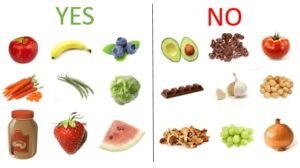
You can safely feed your dog small amounts of plain, cooked chicken or steamed vegetables, but these should never exceed 10% of their daily calories. Many human foods, like onions, garlic, grapes, and chocolate, are toxic to dogs and must be avoided entirely.
How much should I feed my dog?
You should feed your dog based on the weight-specific guidelines found on the food package, adjusting for your dog’s individual activity level. If your dog appears to be gaining weight, reduce the daily portion by 5–10% and monitor their body condition over two weeks.
Is it safe to feed a puppy adult dog food?
It isn’t safe to feed a puppy adult food because puppies require higher levels of protein and specific minerals for bone growth. Adult formulas lack the necessary density to support a puppy’s rapid development, which can lead to long-term skeletal or growth abnormalities.
What happens if I change my dog’s food suddenly?
Sudden food changes often lead to severe gastrointestinal distress, including loose stools, vomiting, and refusal to eat. Always use a transition period of at least one week to allow your dog’s digestive system to adjust to the new ingredients and nutrient balance.
Does it matter what time I feed my dog?
It matters that you keep a consistent schedule to help regulate your dog’s digestion and hunger cycles. Most adult dogs do well with two meals per day, while puppies usually require three to four smaller meals to maintain steady energy levels throughout the day.
How long can dry dog food stay out?
If your dog doesn’t finish their meal within that time, remove the bowl and store the food in a sealed container to maintain freshness and safety.
Conclusion
Providing your dog with a consistent, high-quality diet is the simplest way to support their long-term health and happiness. By following the feeding guidelines on the package and adjusting for your dog’s specific needs, you ensure they get exactly what they need to thrive every day.