
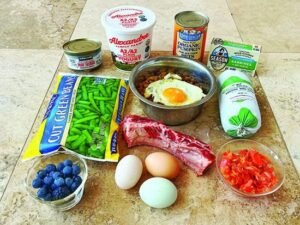
You can safely provide your pet with a variety of fresh foods, including plain cooked chicken, carrots, blueberries, and cooked green beans, as part of a balanced diet. It’s important to remember that the fresh foods you can feed your dog depend on their size, health needs, and specific allergies, as some common human foods are toxic to canines.
The most important factor is moderation, as fresh items should never exceed 10% of your dog’s total daily calorie intake. The most common mistake people make is feeding high-fat or seasoned human scraps, which can lead to life-threatening pancreatitis.
Choosing fresh food to feed your dog
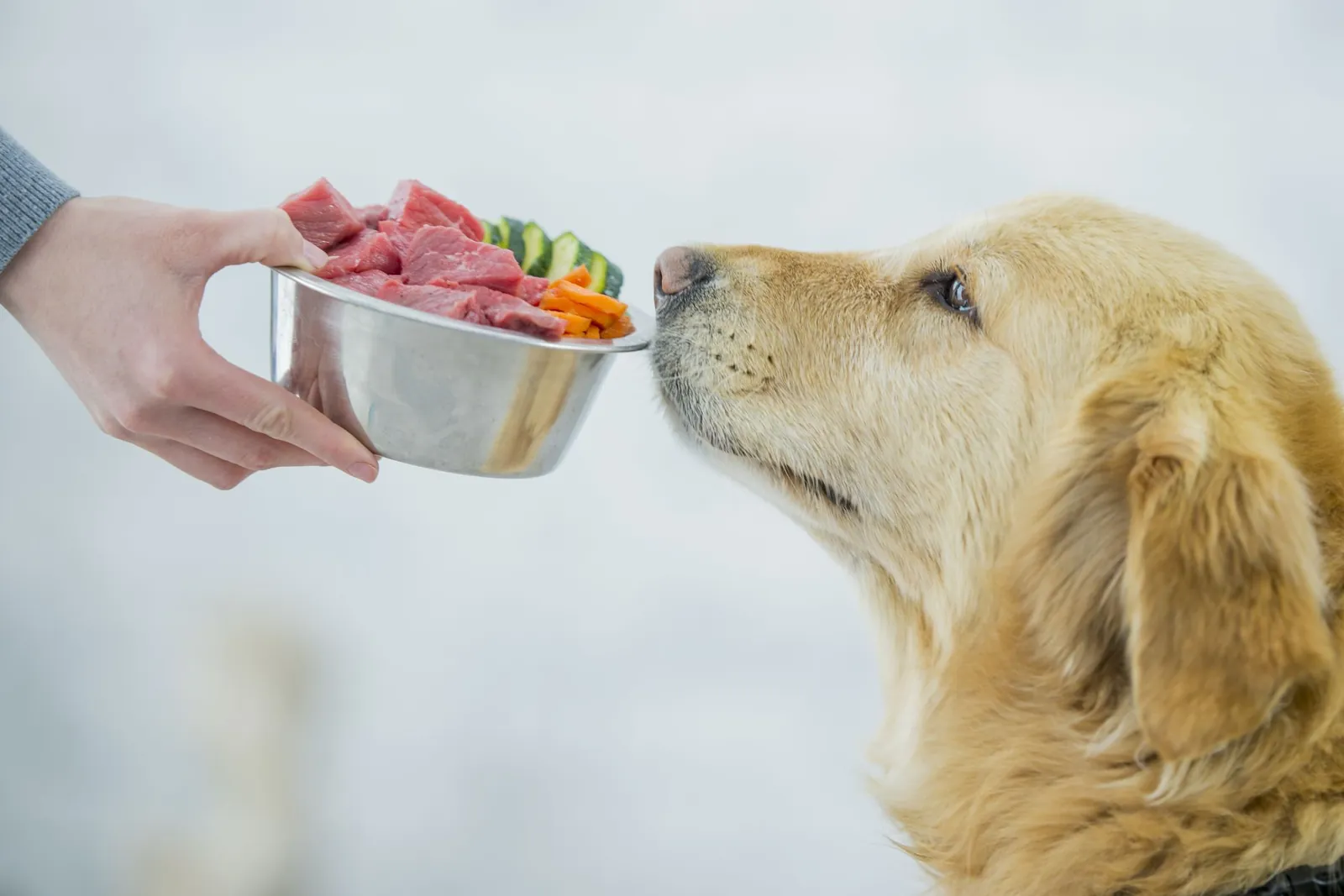
- Wash all fruits and vegetables thoroughly under cold running water to remove dirt or pesticide residue before serving.
- Remove all seeds and pits from fruits like apples, as the seeds contain compounds that can release cyanide when chewed.
- Cook all meats, such as chicken or turkey, until they reach an internal temperature of 165°F to kill harmful bacteria like Salmonella.
- Cut firm items like raw carrots into bite-sized pieces to prevent choking, especially for smaller breeds.
- Introduce only one new food at a time in a very small amount to monitor for any digestive upset or allergic reaction.
Tip: Never use onions, garlic, grapes, or raisins, as these cause severe organ damage even in small quantities. If you’re unsure about a specific food, consult your veterinarian before adding it to their bowl.
Time requirements for preparation
Preparing fresh additions takes different amounts of time depending on the item and your chosen method.
| Situation | How long | What changes it | What to watch for |
|---|---|---|---|
| Washing produce | 1 minute | Quantity of items | Soft spots or mold |
| Steaming vegetables | 5-8 minutes | Size of chunks | Mushy texture |
| Cooking chicken | 15-20 minutes | Thickness of meat | Internal temperature |
| Chopping fruit | 2-3 minutes | Number of pieces | Seeds or pits |
If your dog shows signs of lethargy or vomiting after trying a new food, stop feeding it immediately and call your vet.
Signs of fresh food safety
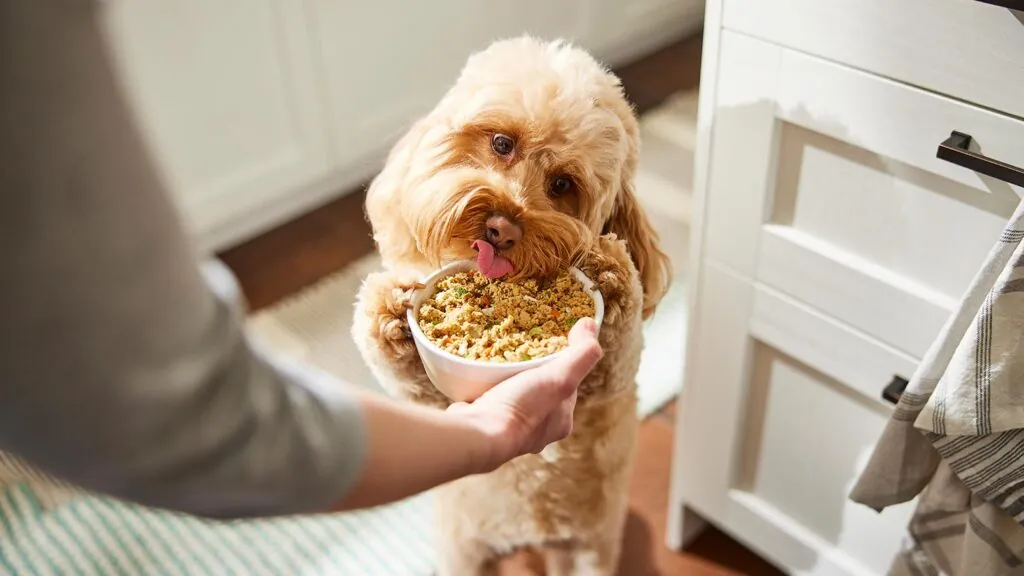
You can tell food is ready for your dog when it’s plain, unseasoned, and cooked to the proper temperature. Vegetables should be crisp if served raw or tender if steamed, while meats must be fully opaque and cooked through.
The FDA animal health guidelines note that raw meat carries risks of bacterial contamination, so always handle it with the same care as you would for your own kitchen. If you’re ever in doubt about the freshness of an item, it’s safer to discard it than to risk a pet’s health.
Avoiding common feeding mistakes
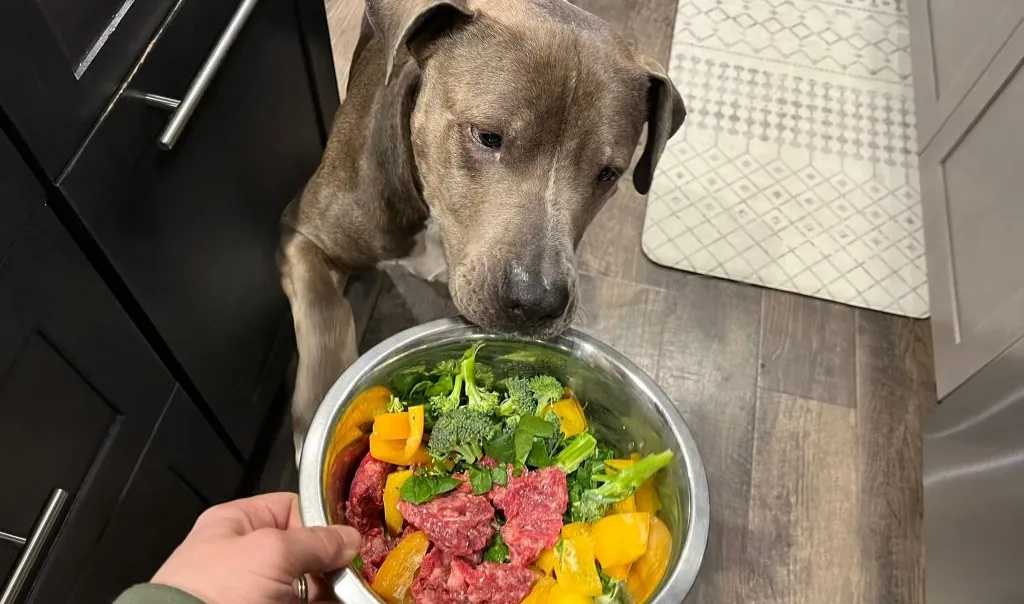
- Feeding seasoned scraps: Using leftovers with onions, garlic, or excess salt causes stomach distress and long-term health issues. Always prepare your dog’s fresh food separately without any butter, oils, or spices.
- Ignoring portion control: Giving too much fresh food replaces necessary nutrients from their regular kibble and leads to unhealthy weight gain. Keep fresh treats strictly limited to a small fraction of their daily meal plan.
- Offering toxic items: Many owners mistakenly believe all plant-based foods are safe, but grapes and macadamia nuts are poisonous to dogs. Check a reliable toxicity list before letting your dog sample anything from your plate.
- Serving bones: Giving cooked bones is a major error because they splinter easily and can puncture the digestive tract. Only offer raw, vet-approved chew bones if you’re sure about the source and type.
Frequently asked questions
Can dogs eat raw carrots?
Yes, dogs can eat raw carrots as a healthy, crunchy snack. They’re low in calories and high in fiber, making them a great treat for most dogs. Always cut them into small, manageable pieces to ensure your dog doesn’t choke while eating them.
Is it safe to feed my dog cooked eggs?
Yes, it’s safe to feed your dog eggs as long as they’re fully cooked without oil, butter, or salt. Eggs provide a good source of protein, but serve them in moderation to avoid digestive issues. Never feed raw eggs due to the risk of Salmonella.
How much fresh food is too much?
Fresh food shouldn’t exceed 10% of your dog’s total daily caloric intake. If you feed too much fresh food, your dog may stop eating their nutritionally balanced kibble, which can lead to long-term vitamin deficiencies. Always adjust their main meal size if you add fresh items.
Can dogs eat bananas?
Yes, dogs can eat bananas in small amounts because they’re high in potassium and vitamins. Because they’re also high in sugar, you should only give your dog a few thin slices at a time. Too much sugar can cause weight gain and tooth decay.
What happens if my dog eats grapes?
Grapes and raisins are highly toxic to dogs and can cause sudden kidney failure. If your dog eats even one or two grapes, contact your veterinarian or an animal poison control center immediately. Never wait for symptoms to appear before seeking professional medical help.
Are blueberries good for dogs?
Yes, blueberries are a safe, antioxidant-rich snack that most dogs enjoy. You can serve them fresh or frozen, but make sure to wash them well. They’re small, so they’re easy to use as training treats, but keep the portions small to avoid an upset stomach.
Conclusion
Feeding your dog fresh food is a wonderful way to add variety to their diet, provided you stick to safe, plain ingredients and follow the 10% rule. Always watch for changes in their energy or digestion when you introduce something new to their bowl.
Related guides