
High-quality protein, essential fats, and specific vitamins are included in dog food to ensure a healthy animal. These ingredients are balanced to meet the nutritional standards set by veterinary experts and government regulators for different life stages.
What goes into your dog food
A complete dog diet relies on a mix of macronutrients and micronutrients. Protein sources provide the building blocks for muscle, while fats offer the energy needed for daily activity. Carbohydrates act as an energy source and provide fiber for digestion, while minerals and vitamins support immune function and coat health.
- Animal Protein: Chicken, beef, lamb, or fish provide amino acids for muscle maintenance.
- Healthy Fats: Fish oil or poultry fat support brain function and skin health.
- Complex Carbohydrates: Rice, oats, or barley supply steady energy throughout the day.
- Vegetables: Carrots, peas, or sweet potatoes add essential vitamins and antioxidants.
- Trace Minerals: Zinc, iron, and calcium are added to support bone and blood health.
Why Quality Standards Matter
The nutritional content of commercial diets is strictly regulated to prevent deficiencies or toxicities. Manufacturers must follow guidelines to ensure that each product provides a complete and balanced profile for the intended age and size of the dog. You can check the Association of American Feed Control Officials website to understand the process for determining and enforcing these nutritional adequacy statements across the industry.
If you’re choosing a diet, look for the statement on the label that says it meets these standards for “all life stages” or a specific one like “growth” or “maintenance.” This ensures the food has been formulated with the right ratios of nutrients. It’s a mistake to feed a puppy food designed for an adult dog, as it may lack the specific nutrient density and balanced ratios required for healthy growth.
Variations in Dietary Needs
Not every dog requires the same balance of nutrients. A working breed has different caloric needs compared to a sedentary house pet, and some animals require specific diets due to health conditions.
| Situation | What changes | What to do instead |
|---|---|---|
| Puppy | Calcium requirements | Use growth-specific formulas |
| Senior dog | Calorie density | Choose lower-fat senior blends |
| Working dog | Protein and fat | Select high-performance energy food |
| Food allergy | Protein source | Try hydrolyzed or novel protein |
| Obesity | Calorie intake | Use weight management recipes |
How to Check Your Dog’s Food
- Read the label to ensure a named meat, such as “chicken” or “beef,” is the first ingredient.
- Look for the “Complete and Balanced” statement from the regulatory body on the back of the bag.
- Check the guaranteed analysis chart for the protein and fat percentages that match your dog’s activity.
- Verify the feeding guidelines on the package to determine how many cups to serve per day.
- Measure the food using a standard measuring cup, not a random bowl, to prevent overfeeding or underfeeding.
- Monitor your dog’s weight weekly to adjust the amount if they start gaining or losing too much.
Common Mistakes That Ruin Nutrition
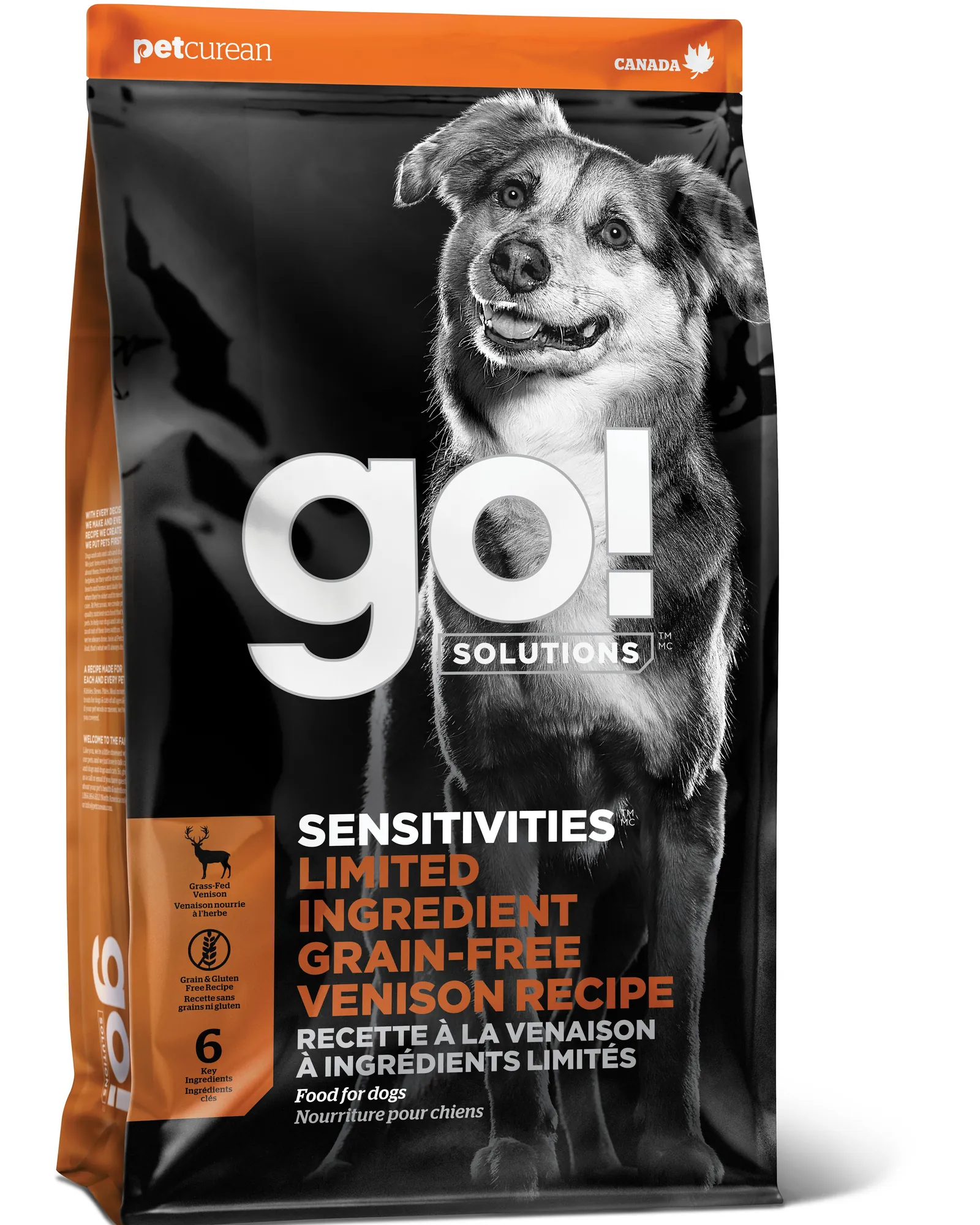
Photo: go-solutions.com on Google
- Adding human table scraps creates an imbalance by adding extra calories without essential nutrients.
- Mixing different brands can upset a dog’s stomach and dilute the balanced nutritional profile of each food.
- Guessing the portion size instead of using a measuring cup often leads to rapid weight gain or loss.
- Ignoring the “best by” date causes the fats in the food to go rancid, reducing nutritional value.
Frequently asked questions
Can I feed my dog only raw meat?
Raw meat alone isn’t a complete diet because it lacks the necessary calcium, minerals, and vitamins found in balanced commercial formulas. Dogs need a precise ratio of nutrients that raw meat doesn’t provide on its own without careful supplementation by a specialist.
How long does dry dog food stay fresh?
Dry food generally stays fresh for 4 to 6 weeks after opening when stored in a cool, dry place. Always keep the bag tightly sealed or move the contents to an airtight container to prevent the fats from oxidizing and turning rancid.
Why does my dog need fiber in food?
Fiber is necessary for healthy digestion and regular bowel movements in dogs. It helps move food through the digestive tract and supports the growth of beneficial gut bacteria, which is essential for a strong immune system and proper nutrient absorption.
Is grain-free food better for dogs?
Grain-free food isn’t inherently better unless your dog has a specific diagnosed allergy to grains. Most dogs digest grains like rice and oats easily, and these ingredients provide vital energy and fiber that support overall health and steady blood sugar levels.
How do I know if the food is enough?
The feeding guide on the back of the package provides the starting amount based on your dog’s weight. You should adjust this amount slightly if your dog’s body condition score indicates they’re becoming too thin or too heavy over time.
Does the price of food reflect the quality?
Price often reflects the quality of ingredients, but it isn’t the only factor to consider. Look at the ingredient list for whole proteins and check for the regulatory label to confirm the food meets nutritional standards regardless of the brand’s price point.
Conclusion
Providing the right nutrition is the best way to support your pet’s long-term health. By focusing on balanced ingredients and following consistent feeding practices, you ensure your dog gets exactly what they need to thrive at every stage of life.