
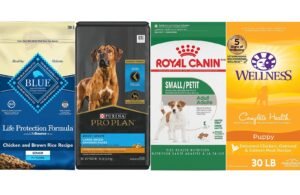
A balanced diet formulated to meet AAFCO standards is the healthiest dog food for a pet.
Choosing the right dog food
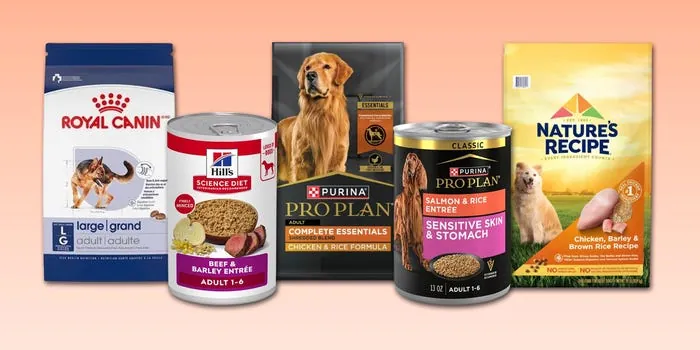
- Look for an AAFCO nutritional adequacy statement on the packaging.
- Pick a formula that matches your dog’s age, size, and activity level.
- Check the ingredient list for a named protein source as the first item.
- Avoid foods with vague descriptions like “meat meal” or “animal fat.”
- Consult your veterinarian before switching to a grain-free or raw diet.
- Monitor your dog’s weight and body condition score after any food change.
Why nutrition standards matter
The regulation of pet food in the United States relies on the Association of American Feed Control Officials. This group doesn’t regulate food directly, but it establishes the nutrient profiles that manufacturers must follow to claim their products are “complete and balanced.” When a bag states it meets these requirements, it means the food contains the precise amounts of protein, fats, vitamins, and minerals required to keep a dog healthy.
You can verify these standards through the FDA Pet Food Guidance which explains how labels must list ingredients and nutritional guarantees. If a food lacks this statement, it may not provide enough essential nutrients for daily survival. Relying on marketing terms like “premium” or “natural” is a mistake because these words aren’t strictly defined by law. Always check the back of the bag for the official statement instead of trusting front-of-package claims.
Variations in dietary needs
| Situation | What changes | What to do instead |
|---|---|---|
| Large breed puppy | Growth rate | Use large-breed specific formula |
| Senior dog | Metabolic needs | Choose lower calorie senior diet |
| Food allergies | Protein sensitivity | Try limited ingredient diets |
| High activity | Energy output | Increase portions or fat content |
| Weight gain | Calorie intake | Switch to weight management food |
How to feed your dog properly
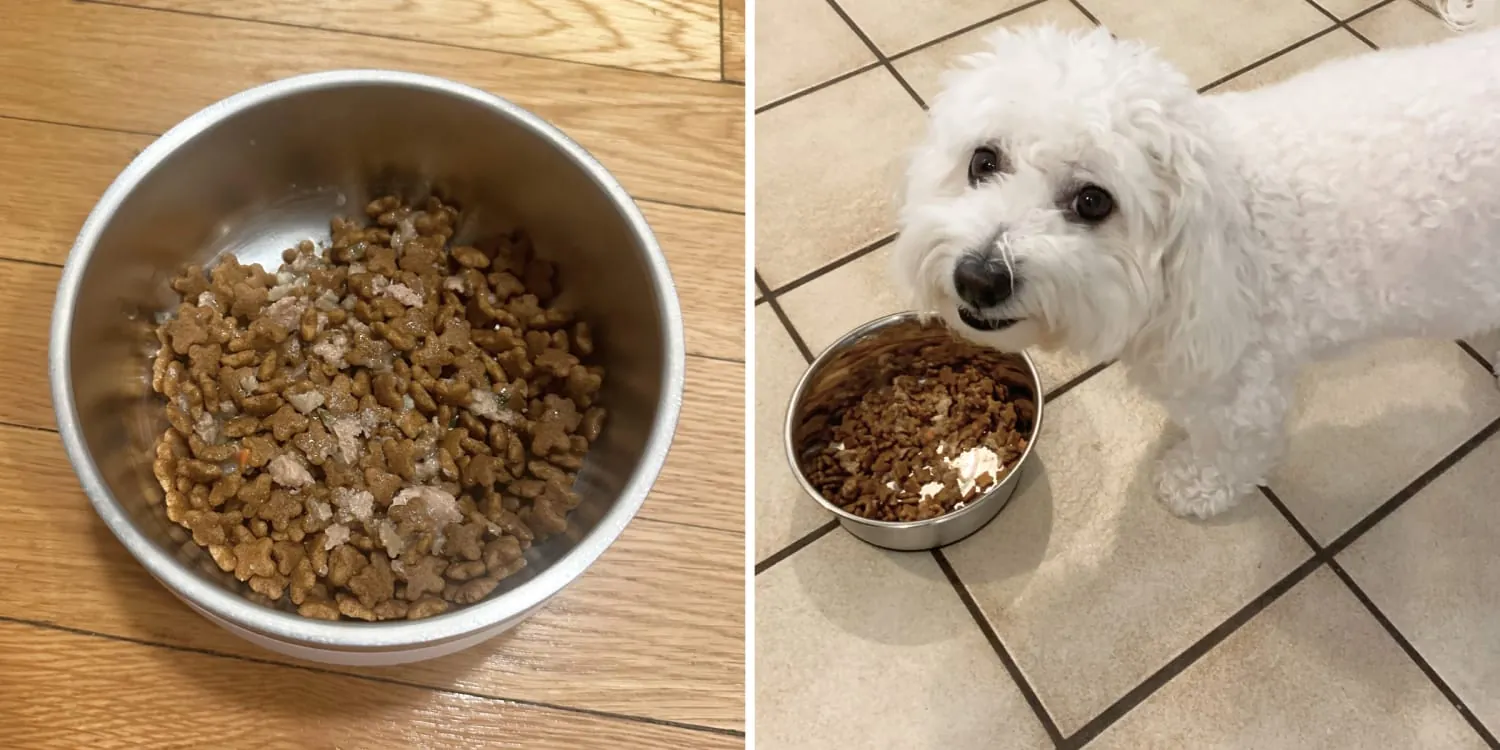
- Read the feeding guide on the bag to find the daily amount for your dog’s weight.
- Use a standard measuring cup to ensure you provide the exact portion required for your dog.
- Split the total daily amount into two equal meals to help with digestion and hunger management.
- Transition to new food over seven days by mixing in 25% of the new food at first.
- Increase the new food percentage by 25% every two days until you reach 100% total intake.
- Observe your dog for any signs of stomach upset or changes in energy during the transition period.
- Check the dog’s rib cage weekly; you should feel the ribs easily without pressing hard through fat.
Mistakes that ruin nutrition
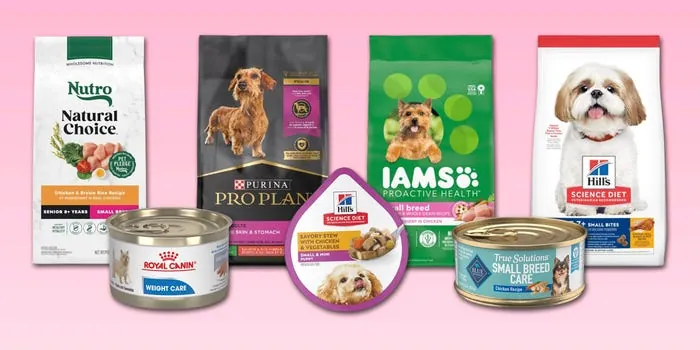
- Feeding based on “eyeballing” portions often leads to obesity, which shortens your dog’s lifespan.
- Adding too many table scraps dilutes the nutrients in the balanced commercial food you provide.
- Switching brands too rapidly causes digestive distress, resulting in vomiting or diarrhea for your pet.
- Leaving food out all day encourages overeating and makes it hard to track exactly how much they eat.
Frequently asked questions
Can I feed my dog human food?
You can feed some human foods like plain cooked chicken or carrots, but these should never exceed 10% of their total daily calories. Most human food is too high in salt or fat for dogs and can cause serious health issues like pancreatitis.
How long should a puppy eat puppy food?
Puppies typically need puppy-specific food until they reach 80% of their adult size, which varies by breed. Small dogs often switch at 9 months, while large breeds may need puppy food until 18 to 24 months to support their slower bone development.
Is grain-free food better for dogs?
Grain-free food isn’t better for most dogs and has been linked to heart issues in some breeds by the FDA. Unless your veterinarian has diagnosed a specific grain allergy, a diet containing high-quality grains like brown rice or oats is usually healthier.
How do I know if my dog is overweight?
Your dog is overweight if you can’t easily feel their ribs or if they have lost a visible waistline when viewed from above. Use the Body Condition Score chart provided by your veterinarian to objectively measure your pet’s physical status every month.
Does the price of dog food matter?
Higher price doesn’t always mean better quality, but it often reflects the cost of extensive feeding trials and higher-quality ingredient sourcing. Focus on the AAFCO statement and the reputation of the manufacturer rather than just the price tag.
What happens if I stop feeding my dog?
Your dog will suffer from severe nutrient deficiencies within days if they don’t receive a balanced diet. Always keep a fresh supply of their specific food on hand to avoid sudden changes that force you to buy whatever is available.
Conclusion
Feeding your dog a high-quality, balanced diet is the best way to ensure they live a long and active life. By sticking to products that meet established nutritional guidelines and measuring their portions carefully, you provide the foundation for their health. Always talk to your vet if your dog shows signs of skin issues, weight changes, or low energy, as these are often the first signs that their diet needs a professional adjustment.