
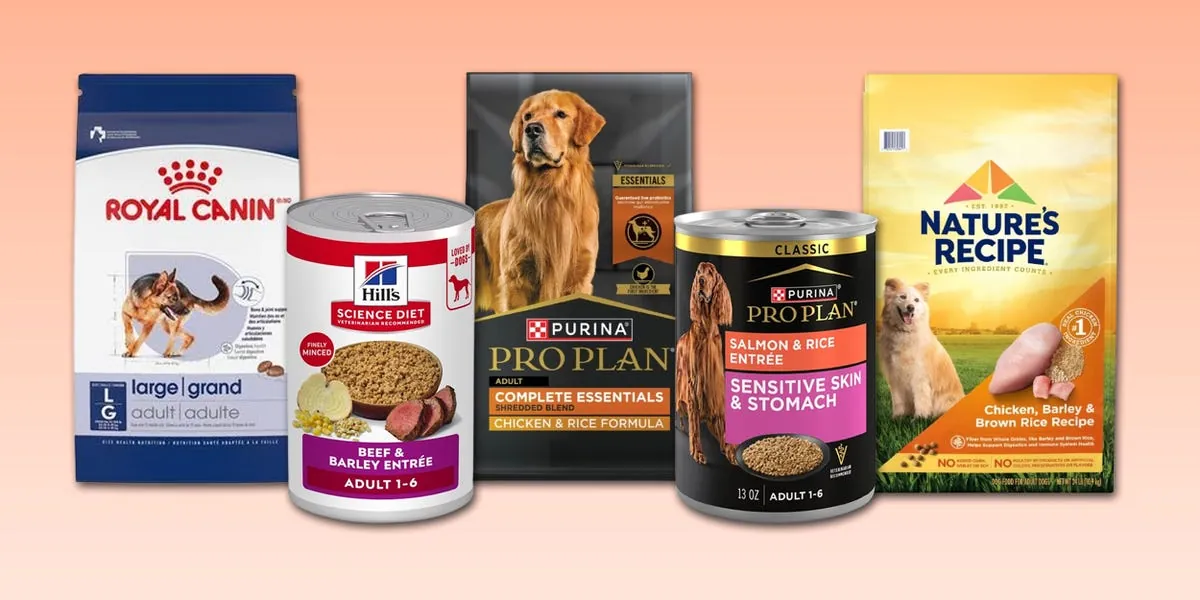
The most reliable food for your pet is a balanced commercial diet labeled as “complete and balanced” for your dog’s specific life stage. This ensures the recipe meets the nutritional standards set by the Association of American Pet Food Control Officials regarding essential vitamins, minerals, and protein levels.
If your dog is a puppy, they need more calories and calcium for bone growth. If your dog is a senior or has a health condition, you should prioritize lower calorie counts or specific ingredients recommended by your vet.
The most common mistake owners make is choosing food based on marketing buzzwords like “natural” or “holistic” rather than checking the nutritional adequacy statement. These words aren’t regulated, so they don’t guarantee that the meal provides all the nutrients your dog needs to stay healthy.
Choosing good food for dogs
Photo: www.thesprucepets.com on Google
- Check the label for the AAFCO statement to confirm it’s complete and balanced for your dog’s age.
- Select a formula that matches your dog’s life stage, such as growth for puppies or maintenance for adults.
- Weigh your dog regularly to adjust portion sizes, as feeding guides on bags are often just starting points.
- Transition to a new food slowly over 7 days by mixing 25% new food with 75% old food, then increasing the ratio daily. Tip: If your dog has a sensitive stomach, extend this transition period to 14 days to prevent digestive upset.
- Store dry kibble in its original bag inside a sealed plastic container to keep it fresh and prevent fat oxidation. Tip: Never leave moist food out for more than 2 hours, as bacteria can multiply quickly at room temperature.
Estimating daily feeding needs
| Dog Size | Average Daily Calories | Factor | What to watch for |
|---|---|---|---|
| Small (10 lbs) | 300–400 kcal | Activity level | Weight gain |
| Medium (40 lbs) | 800–1,000 kcal | Metabolism | Energy levels |
| Large (80 lbs) | 1,300–1,600 kcal | Age | Coat quality |
If your dog is losing weight despite following the bag’s instructions, you should consult your veterinarian to rule out underlying issues. Calorie needs vary greatly based on your dog’s spay or neuter status, breed, and daily exercise intensity.
Signs of a healthy diet
You can tell if a food is working by watching your dog’s physical condition over 4 to 6 weeks. A healthy dog should have a shiny, soft coat without excessive dandruff or thin patches. Their stool should be firm, consistent, and easy to pick up, which shows that their digestive tract is absorbing the nutrients properly.
Monitor their energy levels during play; a good diet provides steady fuel without causing extreme lethargy or hyperactivity. If you notice dull fur, chronic skin irritation, or frequent loose stools, the current food may not be a good match for your pet’s unique system.
Common feeding mistakes
Photo: blog.petmade.com on Google
- Overfeeding treats: Giving too many extra snacks can lead to nutritional imbalances and obesity. Keep treats under 10% of their total daily caloric intake to ensure they get most of their nutrients from their main meal.
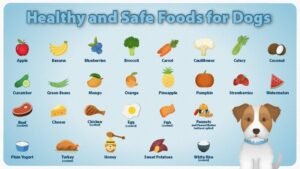
- Feeding human scraps: Many common human foods, like onions, garlic, and grapes, are toxic to dogs even in small amounts. Always stick to pet-safe foods and avoid sharing your dinner plate.
- Ignoring body condition: Relying solely on the bag’s feeding chart leads to weight issues because every dog burns energy at different rates. Use your hands to feel your dog’s ribs; you should be able to feel them easily without pressing hard through a thick layer of fat.
Frequently asked questions
Can I feed my dog a homemade diet?
Yes, but you must work with a board-certified veterinary nutritionist to create a recipe that’s nutritionally complete. Homemade diets are often missing specific vitamins or minerals, which can lead to serious health problems over time if you don’t follow a precise, tested formula.
How many times a day should I feed my dog?
Most adult dogs thrive on two meals per day, while puppies usually require three or four smaller feedings. Feeding on a consistent schedule helps regulate their digestion and makes it easier to monitor their appetite, which is an early indicator of potential health changes.
Is grain-free food better for dogs?
No, there’s no scientific evidence that grain-free food is healthier for the average dog. Unless your veterinarian has diagnosed a specific grain allergy, grains like rice and oats provide valuable fiber and energy that support a healthy, balanced diet.
How do I know if my dog has a food allergy?
Symptoms of a food allergy typically include chronic skin itching, ear infections, or recurring stomach upset. If you suspect an allergy, your vet may suggest a strict elimination diet trial to identify the specific protein or ingredient causing the reaction.
What should I do if my dog stops eating?
If your dog skips more than two consecutive meals or shows signs of illness, you should contact your veterinarian immediately. A sudden loss of appetite can be a sign of many issues, ranging from dental pain to more serious internal health conditions.
Can I mix wet and dry dog food?
Yes, you can mix wet and dry food as long as you calculate the total calories from both to avoid overfeeding. Many owners mix them to improve the texture for picky eaters, but ensure you adjust the portions so the total energy intake remains stable.
Conclusion
Choosing the right food for your companion is a long-term commitment that changes as they grow from a puppy into their senior years. By focusing on nutritional labels and monitoring your dog’s physical condition, you provide the best foundation for their health and happiness.