
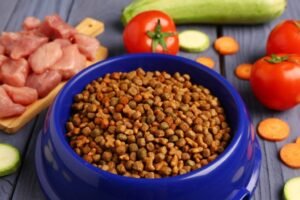
No single brand stands out as the most nutritional dog food for every animal, because the best choice depends on your dog’s specific age, weight, and health status.
The most important factor is ensuring the food matches your dog’s life stage, such as puppy, adult, or senior. A common mistake is feeding an “all life stages” food to a large-breed puppy, which can lead to rapid growth and bone issues. Always check the label for the AAFCO statement to confirm it’s appropriate for your dog.
Selecting the most nutritional food
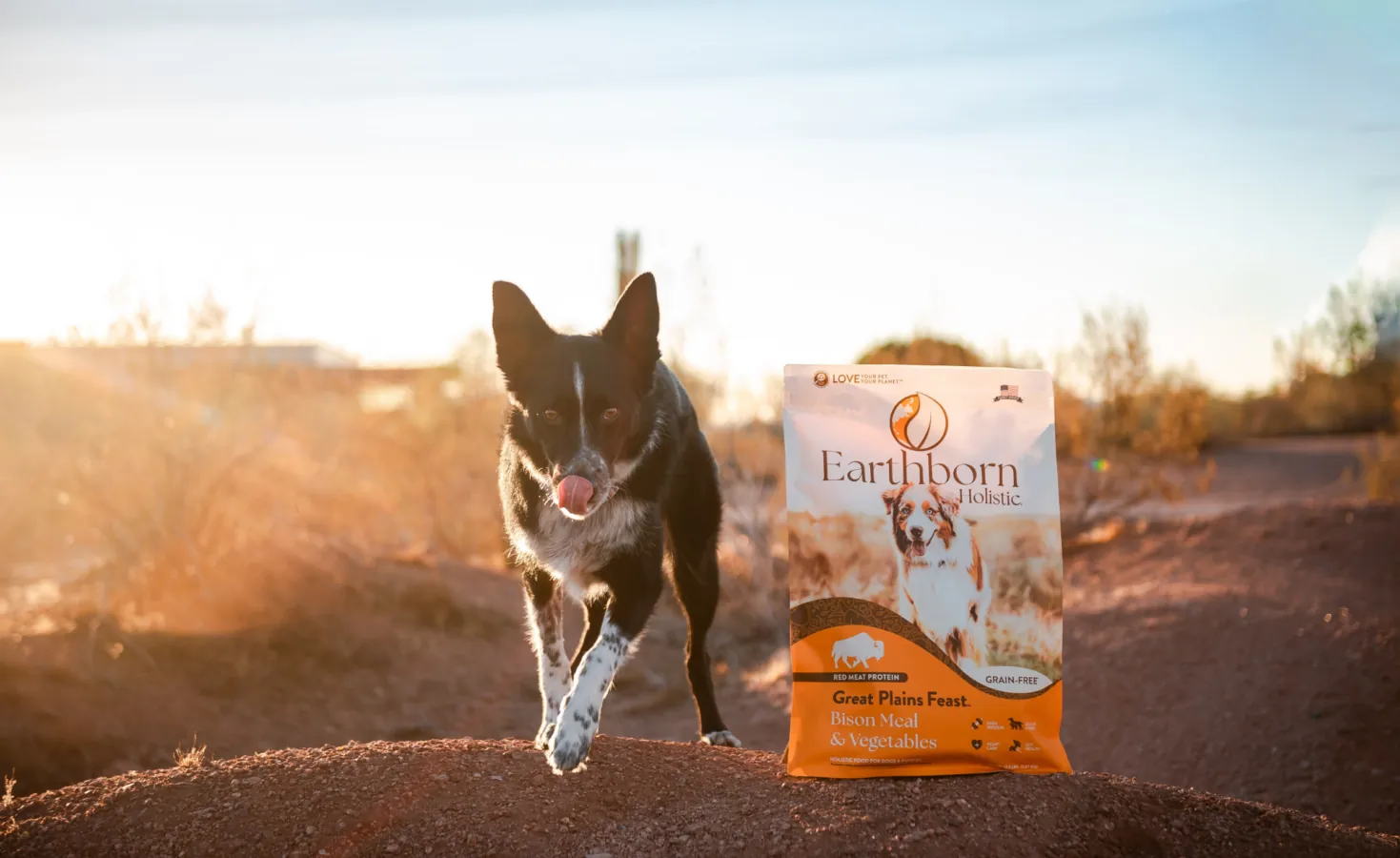
- Check the AAFCO statement on the back of the bag to ensure the food is formulated for your dog’s specific life stage.
- Review the ingredient list to see if a high-quality protein, such as chicken, beef, or fish, is the first item listed.
- Consult your veterinarian about your dog’s ideal body condition score to determine if they need a weight-management or performance formula.
- Transition your dog to the new food slowly over 7 to 10 days by mixing increasing amounts of the new food with the old.
- Monitor your dog’s stool quality and energy levels during the transition, as sudden changes can cause digestive upset.
Tip: If your dog has a known health condition like kidney disease or food allergies, don’t choose a diet without a veterinarian’s guidance, as these require specific nutrient ratios.
Time required for dietary changes
Changing your dog’s food is a gradual process that prevents stomach discomfort. The time it takes varies based on the dog’s sensitivity to change.
| Situation | How long | What changes it | What to watch for |
|---|---|---|---|
| Healthy adult dog | 7 days | Sensitivity to change | Loose stools |
| Sensitive stomach | 14 days | History of vomiting | Lack of appetite |
| Puppy transition | 10 days | Rapid growth needs | Refusal to eat |
If your dog stops eating or shows signs of severe diarrhea, stop the transition and contact your local veterinary clinic immediately.
Identifying nutritional quality
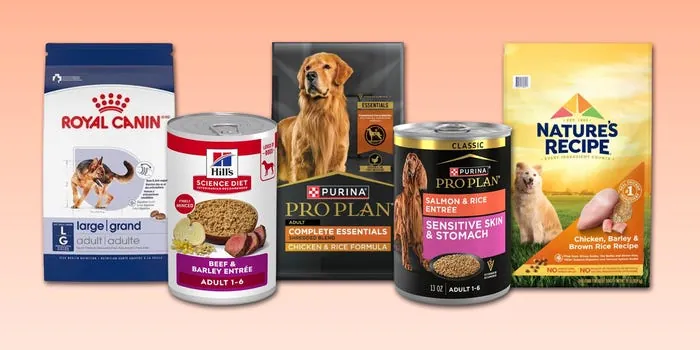
You can judge quality by looking at the label’s guaranteed analysis. This section lists the minimum percentages of protein and fat, and the maximum percentages of fiber and moisture.
High-quality foods often use named protein sources rather than generic labels like “meat meal.” If the bag doesn’t list a specific animal source, it may indicate a lower-quality formula. A common mistake is prioritizing high protein percentages without checking the source; plant-based proteins inflate these numbers but lack the essential amino acids dogs need for muscle repair.
If the first three ingredients aren’t identifiable animal proteins, the formula likely relies on fillers. The most reliable way to assess your dog’s health is by their coat condition, energy levels, and steady weight maintenance over several months. If you see dull fur or sudden weight fluctuations, consult your veterinarian to rule out underlying health issues before changing your dog’s diet.
Mistakes that ruin a dog’s diet
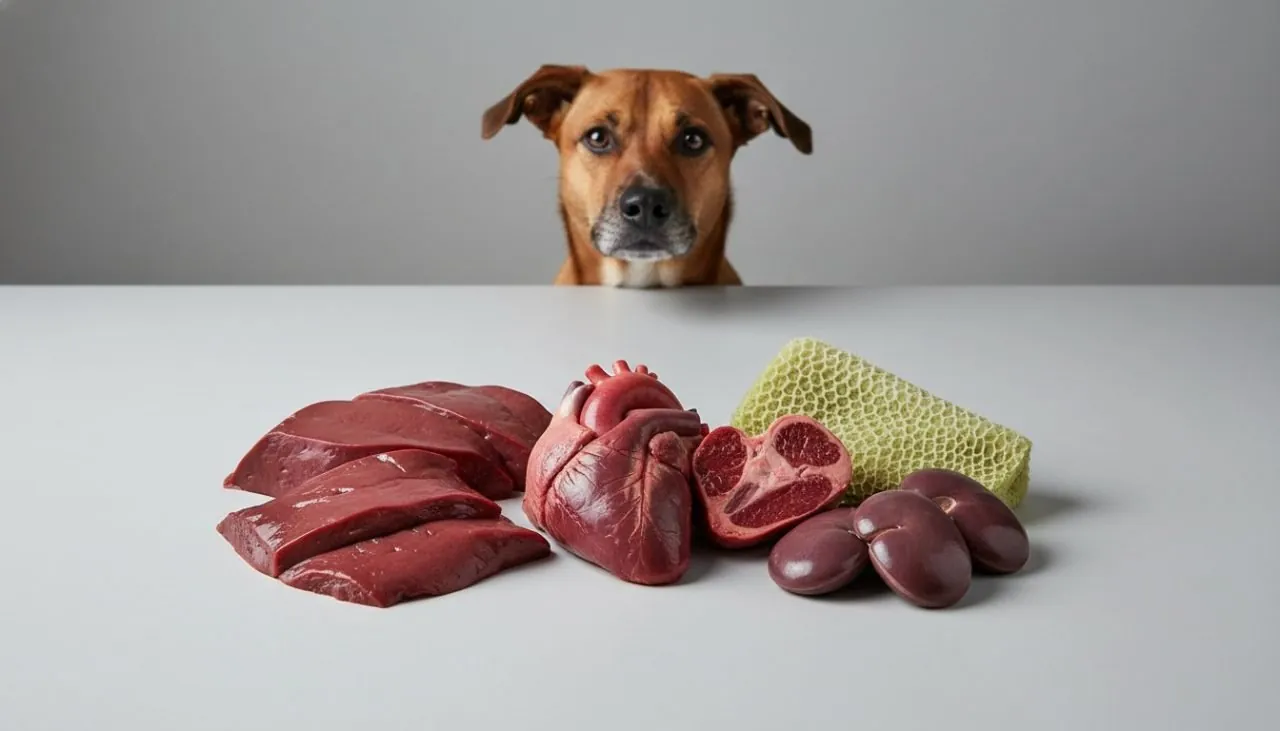
- Adding human food scraps: Adding table scraps adds excess calories and can lead to obesity or pancreatitis if the food is high in fat. Stick to a balanced commercial diet and use only vet-approved treats for training.
- Ignoring portion control: Feeding by “eye” or leaving the bowl full all day often leads to unhealthy weight gain in dogs. Use a standard measuring cup or a kitchen scale to ensure you follow the feeding guidelines on the package.
- Switching brands too often: Constant changes in diet disrupt the gut microbiome and make it impossible to know if a food is working well. Choose a high-quality, balanced food and stick with it unless your veterinarian recommends a change.
Frequently asked questions
Is grain-free food better for dogs?
No, grain-free food isn’t inherently more nutritional for the average dog. Unless your veterinarian has diagnosed a specific grain allergy, grains like rice, oats, and barley provide excellent sources of energy and fiber for most pets.
How much should I feed my dog?
You should feed your dog based on the weight and activity level guidelines printed on the packaging. Because every brand has a different calorie density, you must check the specific bag you’re using and adjust the amount if your dog starts to gain or lose weight.
Can I feed my dog a raw diet?
No, raw diets aren’t recommended by major veterinary groups due to the high risk of bacterial contamination like Salmonella and Listeria. These pathogens pose a serious health risk to both your pet and the humans in your household.
How do I know if the food is fresh?
You can tell if the food is fresh by checking the “best by” date printed on the packaging. Once opened, store the food in its original bag inside a sealed container to keep it away from moisture and pests, which can cause the fats to go rancid.
Why is my dog’s coat dull?
A dull coat is often a sign that the current food lacks sufficient omega-3 and omega-6 fatty acids. If your dog is eating a complete and balanced diet but still has a poor coat, consult your veterinarian to rule out underlying skin conditions or allergies.
Is expensive dog food always better?
No, price isn’t the only indicator of nutritional value. Many mid-range brands provide excellent nutrition that meets all AAFCO requirements, while some premium brands may include unnecessary marketing ingredients that don’t provide extra health benefits for your specific dog.
Conclusion
Your dog’s needs will change as they grow older, so don’t hesitate to check in with your vet during your next visit. They’ll help you spot any subtle shifts in your pet’s health. It’s a simple way to ensure your companion’s bowl stays filled with exactly what they need to thrive.