
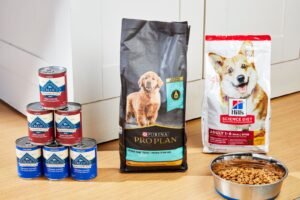
High-quality nutrition for your pet depends on life stage, size, and activity level, so you should choose dog foods that meet the nutritional standards set by the Association of American Feed Officials. These products include reputable brands like Purina Pro Plan, Royal Canin, and Hill’s Science Diet, which provide balanced formulas for puppies, adults, and seniors.
Choosing the right meal for your pet comes down to checking the nutritional adequacy statement on the label. This statement confirms the food is complete and balanced for a specific life stage. The most common mistake owners make is picking a product based on marketing claims like “grain-free” or “human-grade” without verifying if it meets scientific nutrient profiles.
Choosing some healthy dog foods
Photo: www.businessinsider.com on Google
- Confirm the dog’s life stage and size, as a large-breed puppy needs different nutrient ratios than a small-breed senior dog.
- Check the bag for a statement from the manufacturer indicating it meets the nutritional requirements established by the AAFCO or an equivalent regulatory body.
- Consult your veterinarian about your dog’s specific health needs, such as weight management, skin sensitivities, or joint support.
- Transition your dog to the new food slowly over 7 to 10 days by mixing increasing amounts of the new food with the old one to avoid stomach upset.
- Monitor your dog’s weight and body condition score monthly to ensure the portion size remains appropriate for their activity level.
Tip: If your dog experiences vomiting or diarrhea during a transition, slow down the process and add an extra two days to the switch.
Nutritional Variations by Dog Type
The time it takes to see results from a new diet varies based on the dog’s metabolism and the specific health goal.
| Situation | Typical Timeframe | What Changes It | What to Watch For |
|---|---|---|---|
| Weight loss | 8–12 weeks | Calorie density | Lethargy or hunger |
| Coat improvement | 4–6 weeks | Fatty acid levels | Dandruff or shedding |
| Digestive health | 1–2 weeks | Fiber content | Stool consistency |
If your dog doesn’t show improvement after the expected timeframe, schedule an appointment with your veterinarian to rule out underlying medical issues.
Identifying Quality Indicators
Photo: www.thesprucepets.com on Google
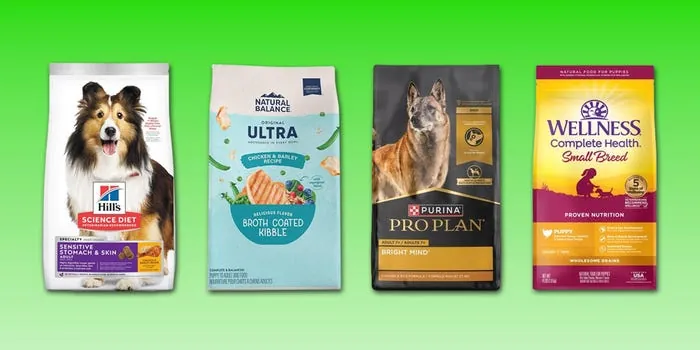
Look for the “complete and balanced” label, which means the food provides all necessary nutrients in the correct proportions. A high-quality food will list a named protein source, like chicken or beef, as the first ingredient. Avoid foods that don’t provide clear information about the manufacturer or that lack a contact number for quality control. When in doubt, call the company to ask about their quality assurance protocols, such as their testing methods for pathogens and nutrient consistency.
Common Nutritional Errors
- Overfeeding based on bag guidelines: Most bags provide a range, and feeding at the high end often leads to obesity. Start at the lower end of the recommended range and adjust portions based on your dog’s actual weight changes.
- Ignoring calorie density: Some premium foods are much more calorie-dense than others, meaning a small serving provides more energy than expected. Always check the kcal per cup or can to ensure you aren’t accidentally doubling your dog’s daily intake.
- Sudden dietary changes: Switching brands overnight frequently causes gastrointestinal distress, including vomiting and diarrhea. Always use a gradual transition period to allow your dog’s gut microbiome to adjust to the new ingredients.
- Treats exceeding 10% of calories: Giving too many treats dilutes the balanced nutrition of the main meal. Keep treats limited to 10% or less of your dog’s daily caloric intake to maintain their health.
Frequently asked questions
How much food should I feed my dog daily?
The amount depends on your dog’s weight, age, and activity level, but you should start with the grams or cups listed on the product label. If your dog is a couch potato, aim for the lower end of the range; if they’re highly active, you may need to increase the portion slightly.
Is grain-free food better for dogs?
No, grain-free food isn’t inherently better unless your veterinarian has diagnosed your dog with a specific grain allergy. Most dogs digest grains perfectly well and benefit from the fiber and nutrients they provide. Only switch to a grain-free diet if your doctor explicitly tells you to do so.
Can I feed my dog human food?
You can offer some human foods as treats, but they should never replace a balanced commercial diet. Safe options include plain cooked chicken or carrots, but never feed your dog onions, garlic, grapes, or chocolate, as these are toxic. Always keep human food portions small to avoid unwanted weight gain.
How often should I change my dog’s food?
You don’t need to change your dog’s food unless they develop a health issue or their life stage changes. If your dog is doing well on their current food, there’s no medical reason to rotate flavors or brands. Consistency is usually best for their digestion and overall health.
What happens if my dog eats expired food?
Expired dog food may lose its nutritional value or, more seriously, grow mold and bacteria that cause illness. If your dog consumes food that’s past its best-by date, watch for signs of lethargy, vomiting, or diarrhea. Contact your veterinarian immediately if you notice any of these symptoms after feeding.
Conclusion
Choosing a diet for your dog is a long-term commitment to their health, so prioritize foods backed by scientific research and clear nutritional labeling. Your veterinarian remains your best resource for adjusting these choices as your dog ages or their health needs evolve over time.