

Dogs eat commercial kibble, wet canned food, fresh cooked meals, and safe raw items like muscle meat and certain vegetables. Pick one main type and stick with it to avoid stomach upset.
The single thing that decides if a diet works is balance. A dog needs protein, fat, calcium, and specific vitamins in set ratios every day. If your dog weighs under 20 pounds, use small-breed formulas; over 50 pounds, switch to large-breed ones.
A common mistake is feeding only meat without added minerals. That leads to weak bones over time because pure muscle meat has almost no calcium. You’ll need a complete commercial food or a vet-approved recipe to fix this gap.
What types of food dogs eat and how to choose them
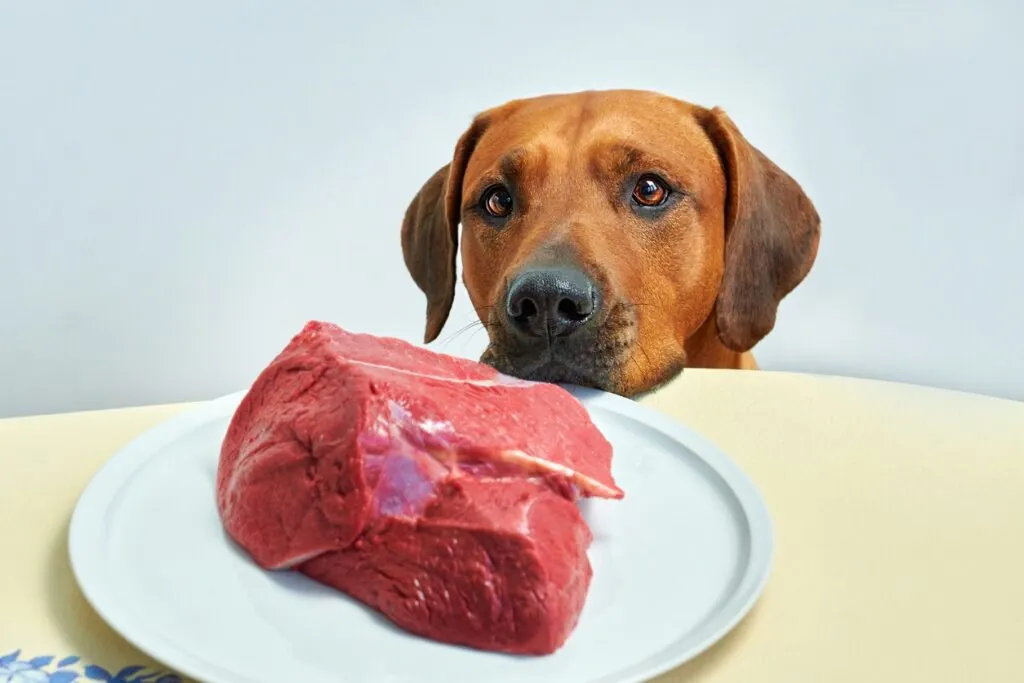
These steps help you pick and serve a balanced diet. They assume a healthy adult dog; puppies, pregnant dogs, or those with kidney disease need different plans from a veterinarian.
- Choose a complete commercial food that meets AAFCO nutrient profiles for your dog’s life stage. Check the label for “complete and balanced” wording rather than just “supplemental.”
- Measure portions using the chart on the bag or can, based on your dog’s current weight. For a 30-pound dog eating average kibble, that’s usually about 1.5 to 2 cups daily split into two meals.
- Add safe whole foods as treats only, keeping them under 10% of total daily calories. Plain boiled chicken, carrots, or blueberries work well without upsetting their stomach.
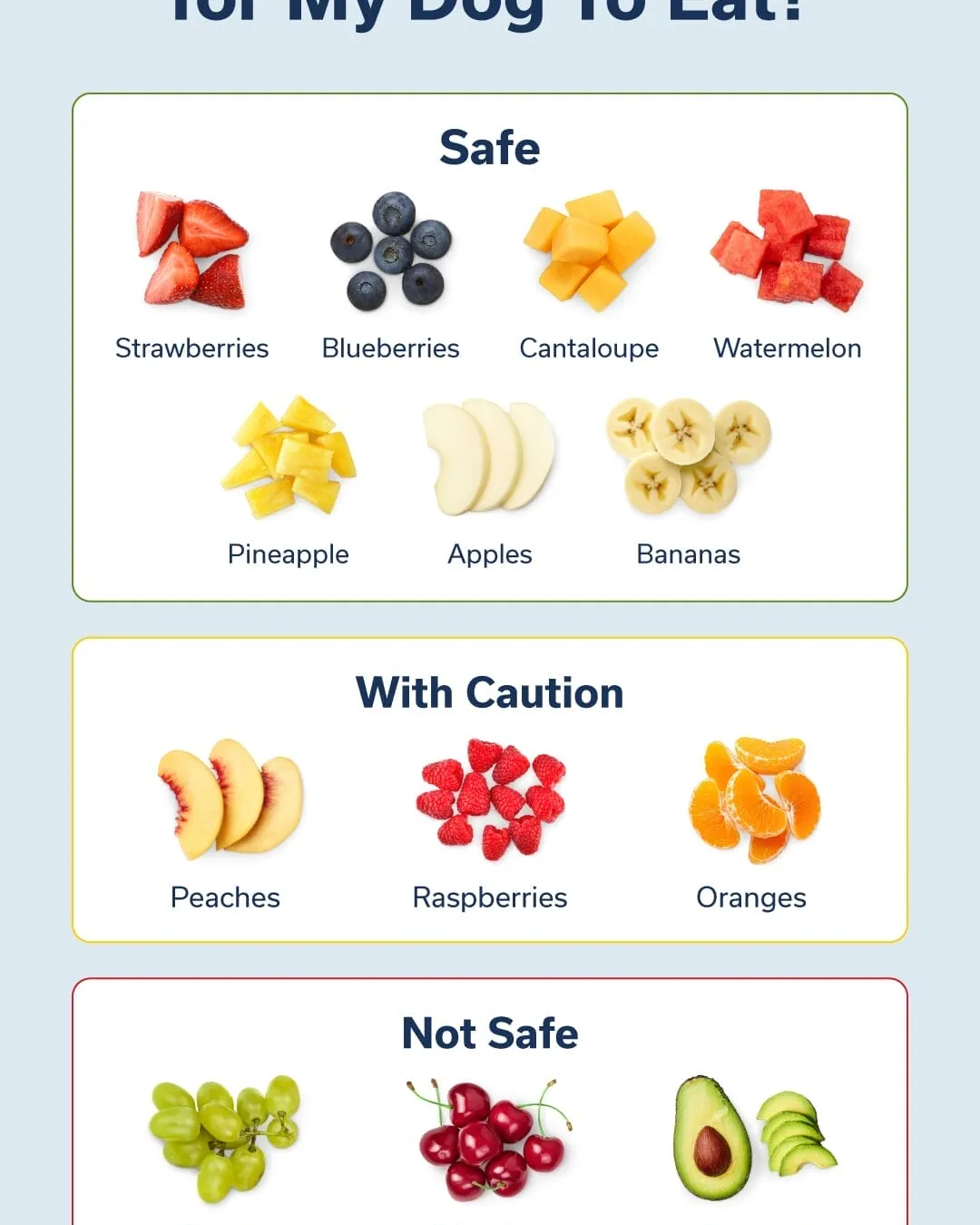
- Avoid toxic items entirely by keeping grapes, onions, chocolate, macadamia nuts, and xylitol out of reach. Even small amounts of these cause serious harm.
- Transition to any new food over 7 days by mixing 25% new with 75% old, then increasing slowly. This prevents diarrhea and vomiting.
Tip: Don’t guess portion sizes with a coffee mug. Use a standard measuring cup; an extra half-cup daily adds significant weight over a month.
Tip: If you want to feed a home-cooked diet, consult a board-certified veterinary nutritionist first. Formulating one without professional guidance risks severe deficiencies that cost thousands to treat later.
You can verify nutrient standards through the AAFCO dog food nutrient profiles before buying any brand.
How long dog food lasts after opening
Storage time changes based on the food type and where you keep it. Always check the printed expiration date on the package.
| Situation | How long | What changes it | What to watch for |
|---|---|---|---|
| Opened dry kibble | 6 weeks | Humidity, heat, air exposure | Stale smell, loss of crunch |
| Opened canned wet food | 3–5 days in fridge | Fridge temperature, covering method | Sour odor, color change, mold |
| Fresh cooked meat | 3–4 days in fridge | Cooling speed, container seal | Slimy texture, off smell |
| Frozen raw patties | 24 hours after thawing | Thawing method (fridge vs counter) | Gray edges, foul odor |
Discard food past these windows to avoid illness.
Signs your dog’s diet is working
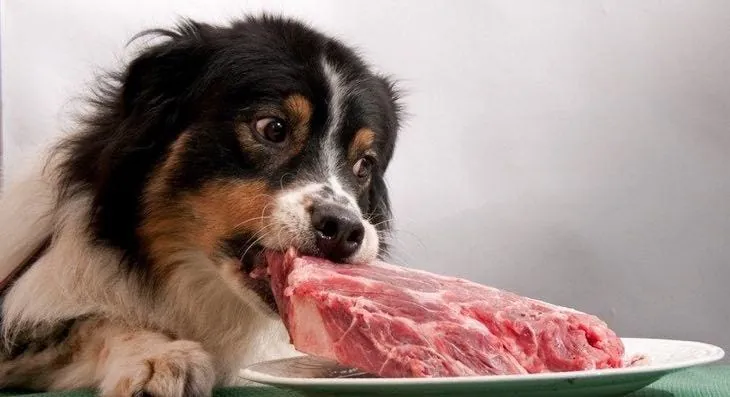
You can tell a diet fits when your dog keeps steady energy, maintains a healthy weight, and produces firm brown stools daily.
The one test that settles doubts is body condition scoring. Feel their ribs: you should sense them easily under a thin fat layer. The American Animal Hospital Association provides ideal body condition charts.
If stools turn loose for more than two days on a stable diet, or your dog loses weight unexpectedly, the food isn’t meeting their needs. Track portions honestly, as bowls often hold more than the measured amount required.
Mistakes that ruin a dog’s diet
- Feeding table scraps as meals. Human dishes carry too much salt, garlic, or fat, which inflames the pancreas. Stick to plain, unseasoned proteins made specifically for them.
- Switching brands overnight. Sudden changes trigger vomiting and diarrhea that last several days. Mix old and new food gradually across a full week instead.
- Ignoring calorie density between brands. One cup of budget kibble might hold 300 calories while premium holds 500, causing fast weight gain. Read the kcal-per-cup number printed on every bag.
- Giving cooked bones as snacks. Cooked bones splinter into sharp shards that puncture intestines during digestion. Offer raw marrow bones sized larger than their mouth or skip bones entirely.
- Assuming grain-free means healthier. Unless your vet diagnoses a specific grain allergy, removing grains offers no proven benefit and may lack necessary fiber. Keep standard formulas unless directed otherwise.
Frequently asked questions
Can dogs eat raw meat safely?
Yes, dogs digest raw meat, but it carries bacteria like Salmonella that affect both pets and humans handling it. The FDA warns about pathogen risks in raw pet diets. If you choose raw, handle it like human-grade meat and sanitize all surfaces afterward.
Why shouldn’t dogs eat chocolate?
Chocolate contains theobromine, which dogs metabolize far slower than humans. Dark baking chocolate holds the highest concentration and causes tremors, seizures, or heart failure even in small doses relative to body weight.
How long does opened wet dog food last?
Opened wet food stays safe for 3 to 5 days when stored in a sealed container inside a refrigerator at 40°F or below. After that window, bacterial growth makes it unsafe regardless of how it smells.
Is it safe to give dogs milk?
No, most adult dogs lose the enzyme needed to break down lactose after weaning. Drinking cow’s milk typically causes gas, bloating, and watery diarrhea within hours. Water remains their only necessary drink.
What happens if a dog eats grapes?
Grapes and raisins cause acute kidney failure in dogs, though the exact toxic compound remains unidentified. Even one or two grapes can trigger vomiting and lethargy. Contact a veterinarian immediately if ingestion occurs.
How much food should a 50-pound dog eat daily?
A 50-pound adult dog eating average dry kibble needs roughly 2.5 to 3 cups per day, split into two meals. This assumes a moderately active dog and kibble containing about 350 kcal per cup.
Conclusion
Picking the right food comes down to reading labels carefully and matching portions to your dog’s actual size. Commercial diets take the guesswork out of feeding. Watch their weight, check their coat, and adjust amounts whenever activity levels change throughout the year.