
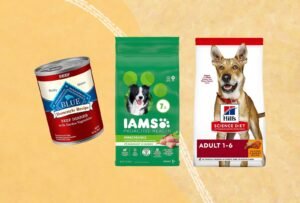
A good dog food brand meets the nutrient profiles set by the Association of American Feed Control Officials, and Purina Pro Plan is one that does. The right choice changes if your dog has allergies or kidney disease. Always match the formula to your dog’s life stage.
Picking a reliable dog food brand
- Check the label for an AAFCO nutritional adequacy statement matching your dog’s life stage.
- Choose puppy formulas for dogs under 12 months; switch to adult food after that.
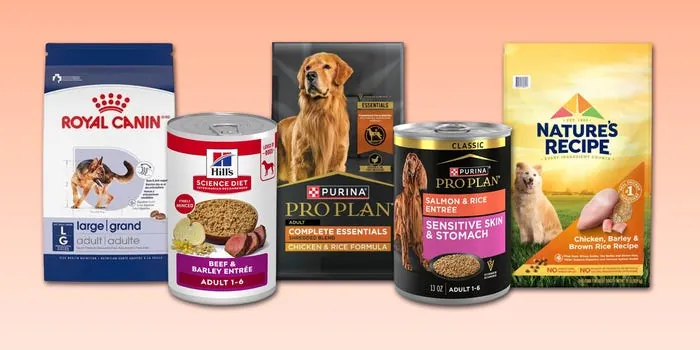
- Look for brands like Purina Pro Plan, Hill’s Science Diet, or Royal Canin that run feeding trials.
- Avoid foods listing only “meat” without naming the animal source, like chicken or beef.
- If your dog has food sensitivities, pick a limited-ingredient diet with a single named protein.
- Read the guaranteed analysis on the bag to compare minimum protein and fat percentages.
Why the AAFCO statement matters
The AAFCO statement on the bag tells you the food actually works as a complete diet. AAFCO doesn’t approve pet foods directly. Instead, it sets the nutrient profiles that companies must follow.
A food meets these profiles in one of two ways. It either passes a feeding trial with real dogs or matches the nutrient targets through lab testing. Brands that run feeding trials usually invest heavily in research. Purina Pro Plan and Hill’s Science Diet both rely on these trials.
Dogs need specific ratios of calcium, phosphorus, and amino acids. Missing just one over time causes joint or organ problems.
This isn’t for owners who prefer raw homemade diets without veterinary guidance. Balanced raw meals require precise supplementation that commercial kibble provides.
When the standard choice fails
The basic rule applies to healthy dogs eating standard maintenance diets. Specific health issues change everything.
| Situation | What changes | What to do instead |
|---|---|---|
| Kidney disease | Protein needs drop | Use a vet-prescribed renal diet |
| Chicken allergy | Standard poultry formulas trigger itching | Switch to novel proteins like salmon |
| Large breed puppy | Fast growth harms developing joints | Buy large-breed puppy formulas specifically |
| Obesity | Calorie density matters most | Pick weight-management food with more fiber |
| Pancreatitis | Fat intake must stay very low | Choose ultra-low-fat veterinary diets |
If your dog has a diagnosed condition, don’t guess. Ask your veterinarian which therapeutic diet fits.
How to read a dog food label properly
- Find the AAFCO statement on the back panel confirming the food suits your dog’s current life stage.
- Check the first three ingredients; they should be named proteins like chicken meal or whole beef.
- Compare the guaranteed analysis for crude protein, ensuring it meets the minimum 18% for adult dogs.
- Look at the calorie content per cup so you don’t accidentally overfeed a dense, high-fat formula.
- Verify the manufacturer’s contact information is printed clearly on the bag in case of recalls.
- Weigh your dog monthly to confirm the portion size you’re feeding maintains a healthy body condition.
Don’t assume a higher price means better nutrition. The honest limit here is that daily calorie needs vary by metabolism, so check your dog’s ribs and adjust portions until you feel them easily under a thin fat layer.
Mistakes that ruin a dog’s diet
- Switching foods overnight. Changing kibble instantly causes severe diarrhea and vomiting. Mix the new food with the old over seven days, adding 20% more of the new brand daily.
- Ignoring life-stage labels. Feeding adult maintenance food to a growing puppy deprives them of the extra calcium and calories they need for bone development.
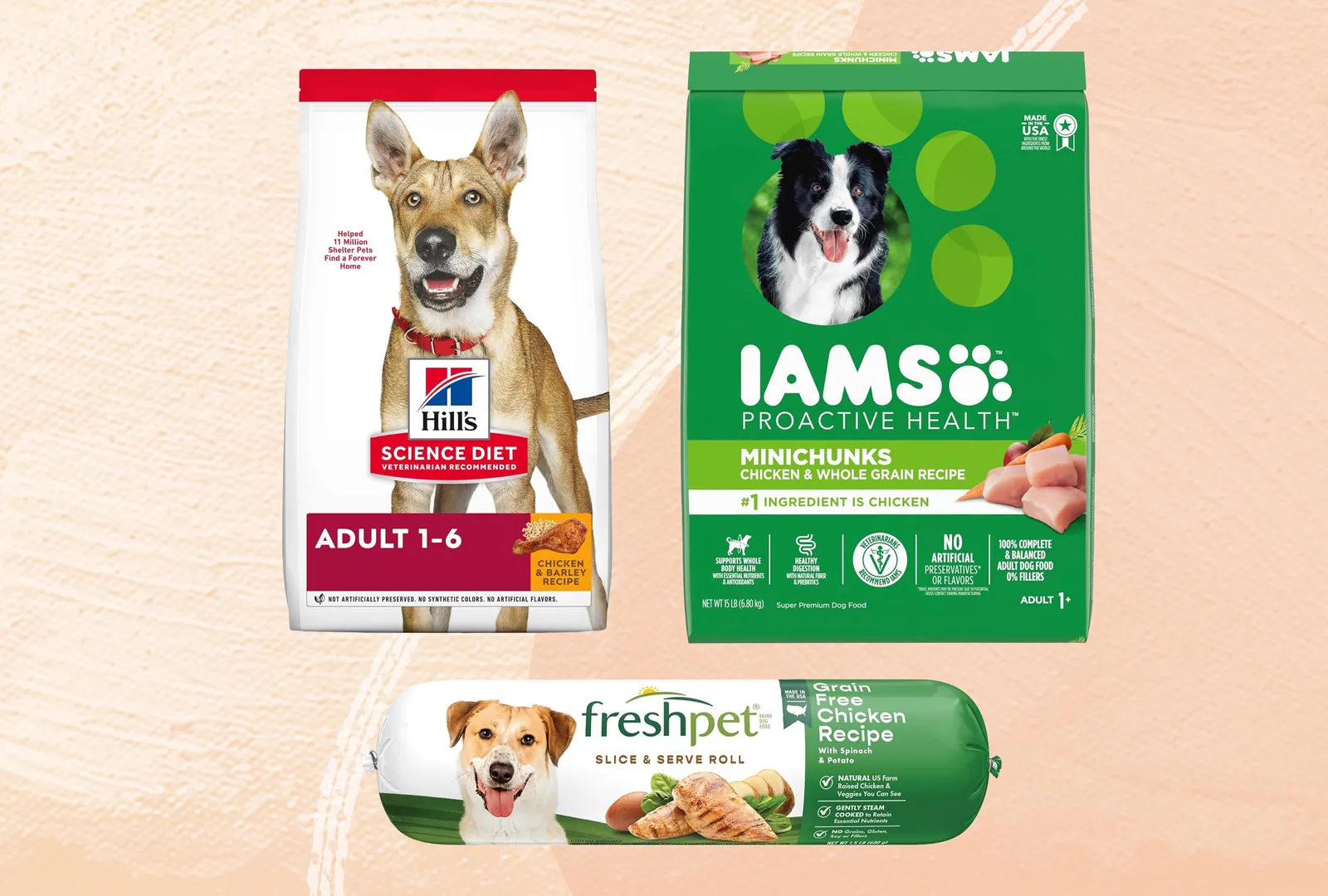
- Trusting front-of-bag claims. Words like “natural” or “holistic” have no strict legal definition in pet food. Flip the bag over and read the actual ingredient list instead.
- Leaving dry food open. Kibble exposed to air and humidity can lose potency and become rancid over time. Roll the top down tightly or pour it into an airtight container immediately.
- Overfeeding treats. Treats shouldn’t make up more than 10% of daily calories. Exceeding this unbalances the complete nutrition the main food provides.
Frequently asked questions
Can I mix two different dog food brands?
Yes, you can mix them if both are formulated for the same life stage. Keep the total daily calories consistent so your dog doesn’t gain unwanted weight from double portions.
Why is grain-free dog food controversial?
The FDA began investigating a potential link between grain-free diets and canine dilated cardiomyopathy in 2018. Diets heavy in peas, lentils, or potatoes replaced grains. Consult your vet before choosing grain-free unless your dog has a diagnosed grain allergy.
How long does opened dry dog food last?
Opened kibble stays fresh for about six weeks if stored properly. Write the date you opened the bag with a marker so you don’t forget.
Is it safe to feed human leftovers to dogs?
No, regular table scraps aren’t safe because they lack balanced nutrients and often contain toxic ingredients like onions or garlic. An occasional plain boiled carrot won’t hurt. But cooked bones splinter and cause internal punctures.
What happens if my dog eats cat food once?
Nothing serious happens from a single meal. Cat food contains much higher fat and protein levels meant for felines.
Does the order of ingredients matter?
Yes, ingredients are listed by weight before cooking. The first item is the heaviest ingredient before cooking, but water content affects this ranking.
How much should I feed my adult dog daily?
Start with the feeding chart on your bag. A 50-pound dog typically needs 2.5 to 3 cups of standard kibble daily. Adjust up or down based on whether you can feel their ribs easily.
Conclusion
Picking the right food takes five minutes with the bag in your hands. Look for the AAFCO statement, check the named protein sources, and match the formula to your dog’s age. Don’t let colorful packaging distract you from the actual nutrient profile printed on the back.