
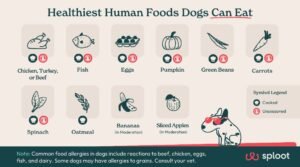
Safe meals for a dog start with plain cooked meat, rice, and certain vegetables. Stick to unseasoned foods when choosing what dogs eat. Portion sizes depend on your dog’s weight, so check the amounts below before filling the bowl.
Healthy foods you can give dogs

- Plain cooked chicken or turkey without skin, bones, or seasoning is a safe daily protein source.
- White or brown rice, fully boiled until soft, works as a gentle carbohydrate for upset stomachs.
- Carrots, green beans, and peeled sweet potatoes are fine when steamed or boiled plain.
- Blueberries and sliced apples without seeds can be treats, limited to 10% of daily calories.
- Commercial kibble that meets AAFCO nutrient profiles for your dog’s life stage covers all nutrient needs in one bowl.
Why some human foods hurt dogs
Dogs digest food differently than people do. A substance that passes through your system might build up in theirs.
Because they can’t clear these chemicals quickly, toxins accumulate in the bloodstream over hours. The ASPCA’s list of toxic foods names common items that can harm dogs.
If your dog eats commercial kibble, it’s formulated to match their digestive limits. Home-cooked meals need careful planning to avoid nutrient deficiencies. Skipping those creates slow deficiencies you won’t notice until weeks pass.
When safe foods become dangerous
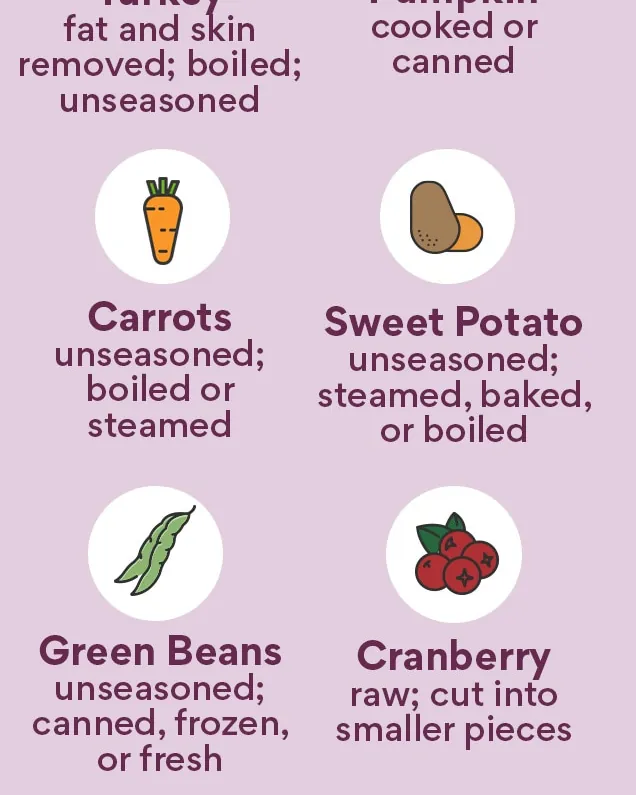
The basic rules change depending on your dog’s health, size, or the way you prepare the food. Use this table to adjust your choices.
| Situation | What changes | What to do instead |
|---|---|---|
| Dog has kidney disease | Protein strains kidneys | Feed vet-prescribed low-protein diet |
| Feeding raw meat | Bacteria risks increase | Cook meat to 165°F internal temperature |
| Small breed under ten pounds | Choking risk rises | Dice all food into pea-sized pieces |
| Dog is diabetic | Rice spikes blood sugar | Swap white rice for steamed green beans |
| Adding new vegetables | Stomach upset happens | Introduce one vegetable every three days |
| Using bones for chewing | Cooked bones splinter easily | Buy solid rubber chew toys instead |
How to prepare a home-cooked meal
- Weigh your dog to find the target portion: about 2-3% of body weight daily for an average adult.
- Choose one lean protein like chicken breast, and cook it in boiling water until it reaches 165°F inside.
- Boil one cup of white rice per pound of meat until the grains are completely soft and mushy.
- Steam half a cup of diced carrots or green beans per pound of meat until they mash easily with a fork.
- Mix the cooled meat, rice, and vegetables together in a large bowl without adding salt, oil, or spices.
- Divide the total mixture into two equal meals if feeding twice daily, storing extras in the fridge.
- Check your dog’s ribs weekly; if you can’t feel them easily, reduce the total daily portion by 10%.
- Add a canine multivitamin recommended by your vet, because plain meat and rice lacks enough calcium long-term.
This assumes a healthy adult dog at a normal weight. For puppies or pregnant dogs, ask your vet for specific targets. You’ll read your own dog’s ideal portion off their rib visibility and waist shape, not from a generic chart.
Mistakes that ruin a dog’s diet
- Feeding cooked bones. They splinter into sharp shards that puncture the stomach lining, leading to emergency surgery.
- Adding garlic or onion powder for flavor. Both destroy red blood cells over several days, causing severe anemia that requires transfusions.
- Giving only meat without supplements. Pure muscle meat lacks calcium, eventually weakening bones and causing painful skeletal deformities over months.
- Switching foods overnight. Sudden changes trigger vomiting and diarrhea; transition slowly over seven days by mixing old and new food.
- Guessing portion sizes by eye. Overfeeding by even a little each day adds up, shortening a dog’s lifespan by increasing joint stress.
Who this is NOT for: if your dog has known food allergies, pancreatitis, or liver disease, don’t use these general guidelines. Follow your vet’s specific prescription diet instead.
Frequently asked questions
Can dogs eat scrambled eggs?
Yes, plain scrambled eggs are safe if cooked without butter, oil, or salt. One egg fits a medium dog’s daily treat allowance.
Why is chocolate bad for dogs?
Chocolate contains theobromine, which dogs metabolize too slowly to clear safely. Dark chocolate holds the highest concentration. Even small amounts cause rapid heart rate, tremors, or seizures depending on the dog’s weight and the cocoa percentage.
How long can cooked dog food stay in the fridge?
Cooked homemade dog food stays safe for 3-4 days in a sealed container at 40°F or below. Freeze portions you won’t use within that window to prevent waste.
Is it safe to feed dogs raw meat?
Raw meat carries Salmonella and E. coli risks for both the dog and your household. Cooking meat to 165°F eliminates these pathogens while keeping the protein intact.
What happens if my dog eats grapes?
Grapes and raisins cause sudden kidney failure in dogs, though the exact toxic compound remains unidentified. Contact your vet immediately if ingestion happens.
Does it matter if I feed only dry kibble?
No, high-quality dry kibble labeled “complete and balanced” provides everything a healthy dog needs. Ensure fresh water is always available.
How much fruit can a dog eat daily?
Fruit shouldn’t exceed 10% of your dog’s total daily calories. For a 30-pound dog eating 700 calories, that’s roughly 70 calories from fruit.
Can dogs drink milk instead of water?
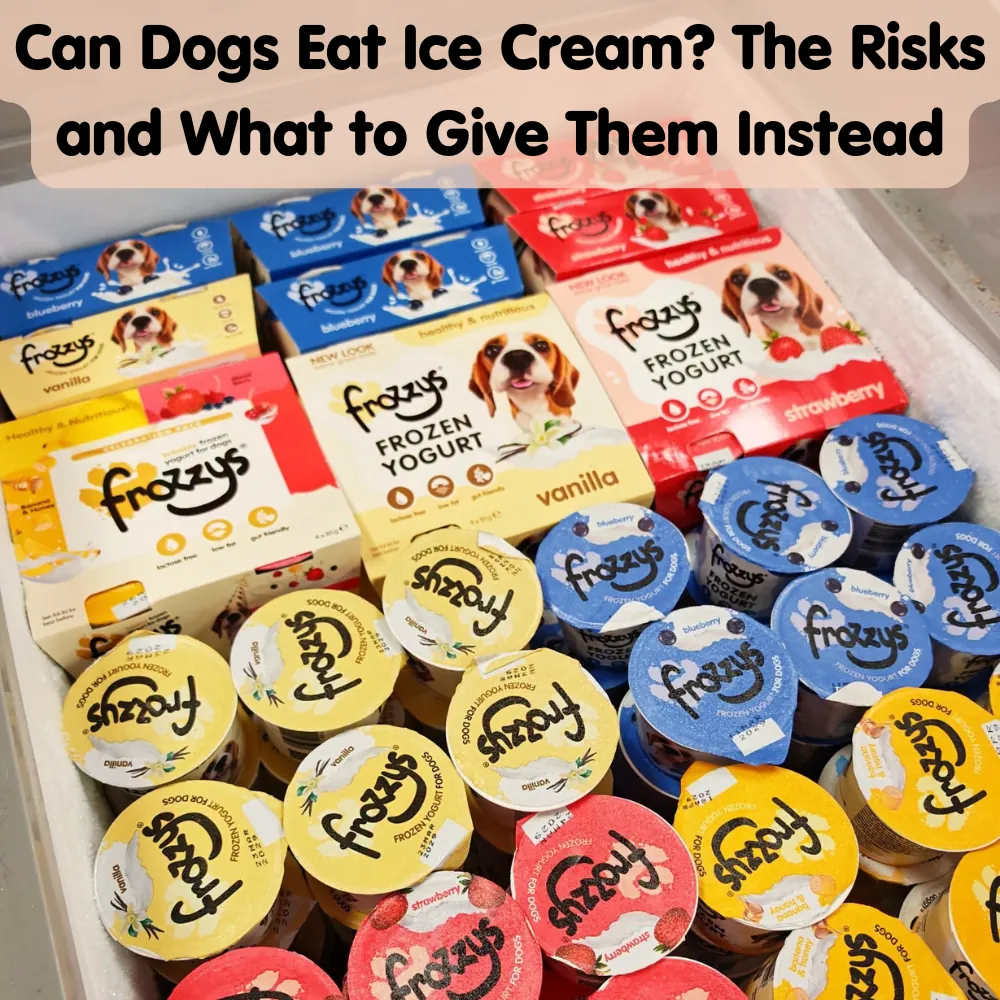
No, most adult dogs are lactose intolerant and milk causes diarrhea or stomach cramps. Water must remain their only daily drink. If you want to offer a dairy treat, try a small spoonful of plain yogurt instead.
Conclusion
Every dog processes food based on its own size, age, and health history, so watch how yours responds after meals. The right food keeps their coat shiny and energy steady without upsetting their stomach. Stick to plain ingredients, measure carefully, and skip anything seasoned for human taste buds.