
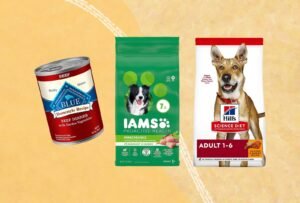
The right choice for your dog is a diet that meets the nutritional standards set by the AAFCO. Determining the best kind of dog food requires looking for a “complete and balanced” label, which ensures the food provides all necessary nutrients for your pet’s life stage.
Picking the best kind of dog food
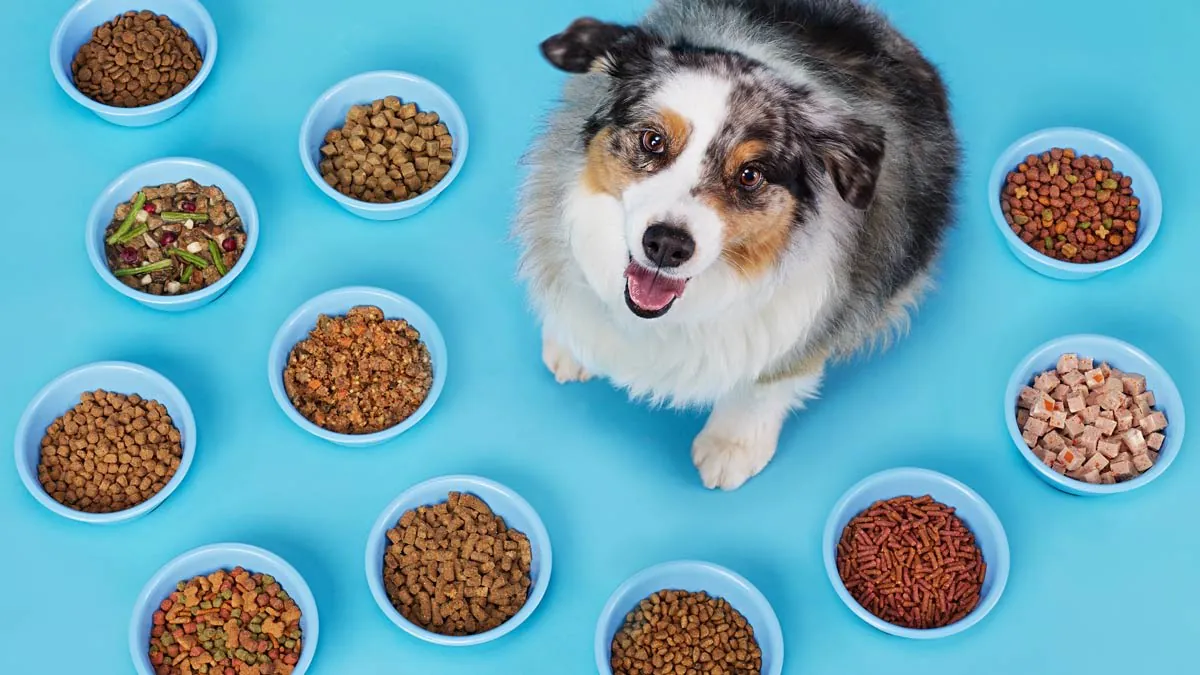
- Look for a statement on the bag confirming it meets AAFCO nutrient profiles for your dog’s specific life stage.
- Pick a formula designed for your dog’s age, as puppies have different caloric and mineral needs than adult or senior dogs.
- Check the ingredient list to ensure a high-quality animal protein, such as chicken, beef, or lamb, is the first item.
- Avoid foods that lack a clear manufacturer contact number or a website for checking their quality control processes.
- Consult your veterinarian if your dog has specific health conditions, as some animals require prescription diets to manage their symptoms.
Why nutritional balance matters
The core requirement for any commercial pet food is that it provides a complete and balanced profile of nutrients. According to the Association of American Feed Control Officials, these standards ensure that the product contains the precise amounts of vitamins, minerals, proteins, and fats required for a dog to thrive without needing supplements. If a food lacks this, it’s considered a treat or a snack rather than a main meal.
Manufacturers achieve this balance by following rigorous testing protocols or by formulating products based on established nutrient density guidelines. You can verify this by reading the nutritional adequacy statement on the back of the package. It will explicitly state whether the food is intended for “growth,” “adult maintenance,” or “all life stages.” Choosing the wrong category for your dog’s age can lead to developmental issues in puppies or weight gain in older pets.
When your dog needs something different
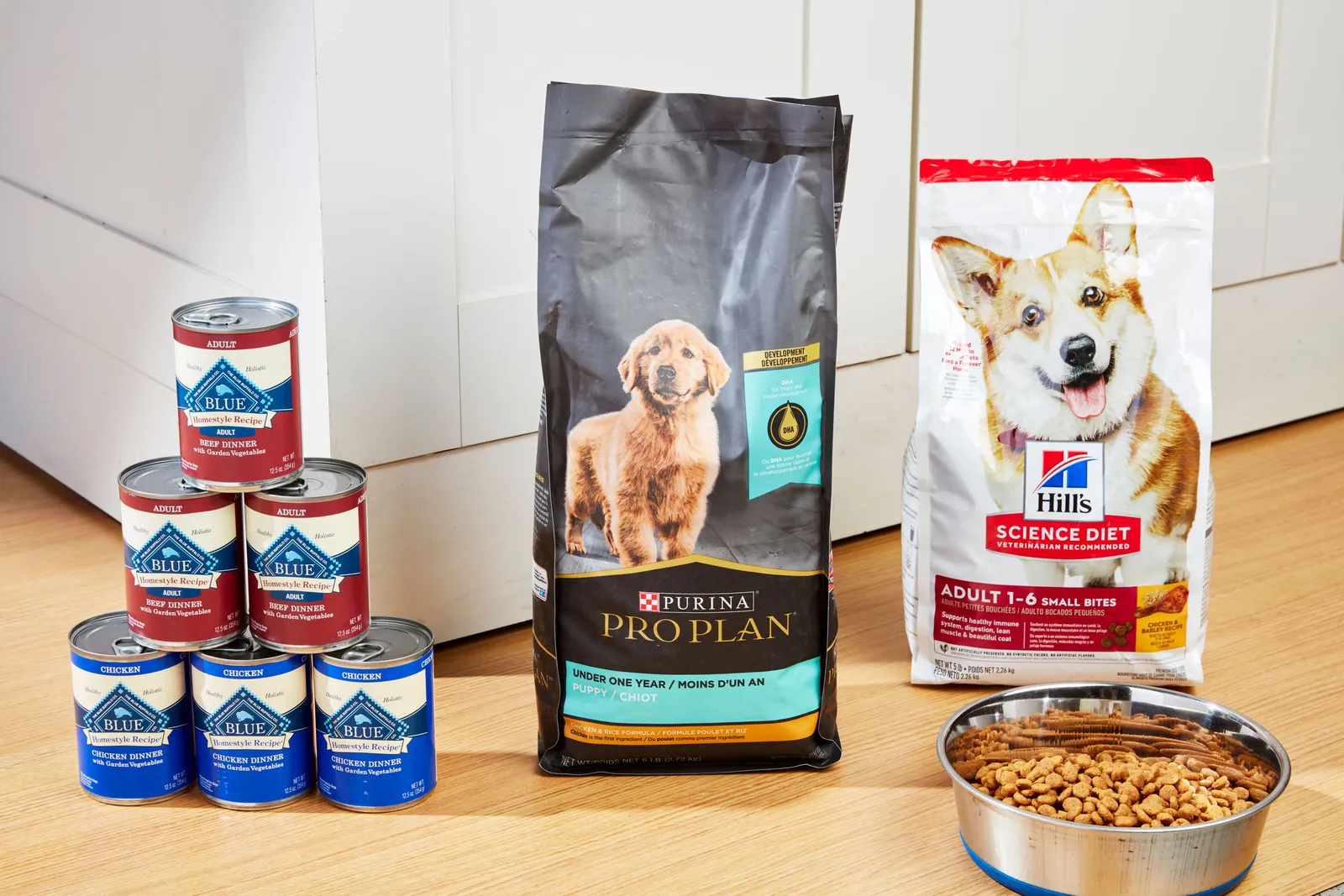
Some dogs can’t thrive on standard off-the-shelf products due to individual medical needs or sensitivities.
| Situation | What changes | What to do instead |
|---|---|---|
| Food allergies | Protein source | Use hydrolyzed protein diets |
| Kidney disease | Phosphorus levels | Switch to renal-specific foods |
| Obesity | Calorie density | Use weight management formulas |
| Puppyhood | Growth nutrients | Select puppy-specific growth food |
| Senior years | Joint support | Choose senior-targeted nutrition |
How to feed your dog properly
- Read the feeding guide on the back of the bag to determine the daily portion based on your dog’s current weight.
- Use a standard measuring cup or a kitchen scale to ensure you provide the exact amount recommended for their size.
- Divide the total daily amount into two equal meals to help your dog digest the food more comfortably throughout the day.
- Transition to new food slowly over 7 days by mixing 25% new food with 75% old food, slowly increasing the ratio.
- Monitor your dog’s body condition; if they’re gaining too much weight, reduce the daily portion by about 10%.
- Provide fresh water in a clean bowl at all times, as dry kibble contains very little moisture compared to canned food.
The mistakes that ruin it
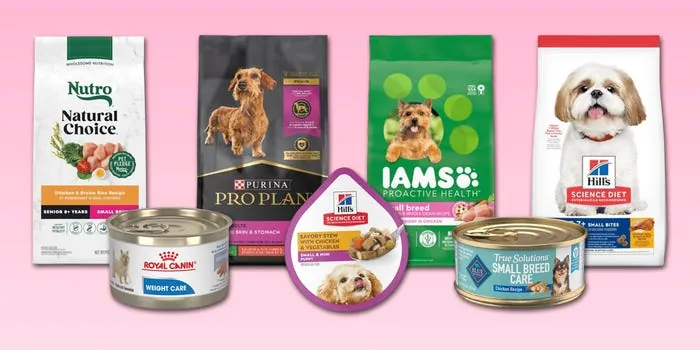
- Feeding “all life stages” food to large-breed puppies can cause them to grow too quickly, leading to joint problems.
- Adding human table scraps to a balanced diet creates a caloric imbalance that often leads to obesity.
- Switching food brands too abruptly without a transition period often results in upset stomachs and diarrhea.
- Storing food in an open bag allows fats to go rancid, which ruins the flavor and nutritional value.
Frequently asked questions
How much should I feed my dog?
You should feed your dog based on the calorie density of the food and their weight, typically found on the manufacturer’s feeding chart. If your dog is more active or tends to be lazy, you may need to adjust these amounts by 10% to maintain a healthy weight.
Is grain-free food better for dogs?
Grain-free food isn’t inherently better for most dogs unless they have a medically diagnosed allergy to specific grains. Grains provide essential energy and fiber, and most dogs digest these carbohydrates effectively without any adverse health reactions or digestive discomfort.
How do I know if the food is high quality?
The food is high quality if the packaging contains a clear AAFCO statement and the manufacturer provides transparent information about their testing. You should be able to find a contact number or website on the bag to verify their safety and quality control standards.
Does wet food cause dental issues?
Wet food doesn’t directly cause dental issues, but dry kibble may provide slightly more mechanical friction against the teeth. Regardless of the food type, you should brush your dog’s teeth regularly to prevent plaque buildup and keep their gums healthy and strong.
Can I mix dry and wet food?
You can mix dry and wet food, provided you account for the total daily calories to prevent overfeeding your pet. Subtract the calories in the wet food from the total daily allowance and reduce the dry kibble portion accordingly to keep your dog at a healthy weight.
Is raw food safe for my dog?
Raw food carries a significant risk of bacterial contamination, such as Salmonella or Listeria, which can affect both your dog and your family. Most veterinarians recommend cooked, commercially prepared diets to ensure the food is free from pathogens and nutritionally complete for your pet.
How long does a bag of food last?
A bag of food should be consumed within a reasonable timeframe, typically within 4 to 6 weeks of opening, to ensure freshness and prevent nutrient degradation. Once you open the bag, the fats begin to oxidize, so keeping it sealed tightly in a cool, dry place is essential for freshness.
Conclusion
Every dog’s stomach is different, so what works for one might upset another. Keep an eye on their energy and coat over the next few weeks. If something seems off, don’t wait—book a quick visit with your vet to fine-tune their meals.