
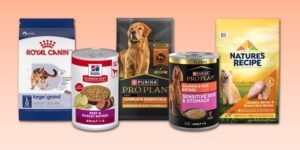
Yes, the brand of dog food you choose matters entirely based on the nutritional standards the company follows and their history of quality control. You should prioritize brands that meet the guidelines set by the Association of American Feed Control Officials (AAFCO) rather than choosing based on marketing or price alone.
A brand is just a name, but it represents the company’s commitment to safety testing and research. If you choose a brand with high standards, you’re likely getting consistent nutrition. If you choose a brand that skimps on testing, you risk your pet’s long-term health.
The most common mistake owners make is assuming that a higher price tag automatically means better quality. Price often reflects marketing spend rather than the nutrient density or the quality of the raw ingredients. Always look for a nutritional adequacy statement on the label instead of relying on the brand’s fancy commercials.
Selecting a safe and healthy diet

- Check the bag for an AAFCO statement confirming the food is complete and balanced for your dog’s specific life stage.
- Verify that the company employs a full-time veterinary nutritionist to formulate their recipes.
- Compare the ingredient list to ensure the first few items are high-quality protein sources like chicken, beef, or fish.
- If your dog has a sensitive stomach, introduce any new brand slowly over 7 to 10 days by mixing it with the old food. Tip: If you see “by-product” listed, don’t panic; some organ meats are highly nutritious, provided the manufacturer is transparent about the source. Tip: If your dog is a working breed, look for higher caloric density to support their activity level, which varies greatly from standard sedentary house dogs.
Comparing different food categories
| Category | Typical Cost | Quality Focus | Best For |
|---|---|---|---|
| Economy | Low | Price | Tight budgets |
| Premium | Medium | Ingredient source | Average pets |
| Veterinary | High | Clinical research | Health conditions |
If your pet refuses to eat a new brand, it may be a texture issue rather than a quality one.
Signs your dog is thriving

You can tell if a food works by watching your dog’s physical changes over 4 to 6 weeks. A healthy dog should have a shiny coat, steady energy levels, and firm, consistent stools.
If you notice dull fur, sudden weight loss, or constant digestive upset, the food may lack the nutrients your specific dog needs. The ultimate test is a physical examination by your veterinarian, who can track weight trends and blood work to ensure the chosen brand is supporting long-term health.
Common errors in food choices
- Ignoring the life stage: Feeding a puppy food to an adult dog can lead to excess calcium and weight gain, which causes joint issues. Always pick a bag labeled for your dog’s current age.
- Trusting “human-grade” claims: Many companies use this term as a marketing tactic, but it isn’t a legal definition for pet food safety. Look for concrete testing data instead of catchy labels.
- Switching brands too fast: Changing food overnight often causes severe diarrhea and vomiting. Always transition over a week to let the gut bacteria adjust to the new nutrient profile.
- Buying based on popularity: A brand that sponsors many events isn’t necessarily the healthiest. Focus on the company’s research budget and history of testing rather than their social media presence.
Frequently asked questions
Is expensive dog food always better?
No, a higher price doesn’t guarantee better nutrition because it often covers marketing and packaging costs. You should look for a brand that conducts feeding trials and employs veterinary nutritionists. A cheaper brand that follows strict safety protocols is often better than an expensive brand that relies on clever advertising.
How do I know if a brand is safe?
You can confirm safety by checking the manufacturer’s website for their quality control processes and looking for past recall history. A reputable brand will be transparent about where they source their ingredients. If a company can’t explain their testing procedures, you should consider a different option for your pet.
Can I mix two different dog food brands?
Yes, you can mix brands, but you must ensure both foods are nutritionally complete for your dog’s life stage. This is a common way to transition between diets or add variety. Monitor your dog for any digestive changes, as some pets have sensitive systems that struggle with sudden shifts in ingredients.
What are the best protein sources for dogs?
The best proteins are high-quality, named meat sources like chicken, turkey, or beef. These provide the essential amino acids a dog needs to maintain muscle mass. Avoid foods that list vague terms like “meat meal” without specifying the animal source, as this makes it hard to track the protein quality.
Should I worry about grain-free diets?
You should consult your veterinarian before choosing a grain-free diet, especially due to ongoing research into heart health. While some dogs have genuine grain allergies, most dogs digest grains like rice or oats quite well. There’s no standard medical rule requiring a dog to avoid grains for general health.
How often should I change my dog’s food?
You shouldn’t change your dog’s food unless there’s a medical reason or the current food no longer meets their needs. Consistency is generally better for a dog’s digestive system. If you must switch, do it slowly over 10 days to prevent stomach upset and ensure your pet accepts the new flavor.
Conclusion
Providing consistent, high-quality nutrition is the most effective way to help your dog live a long life. While the brand you pick matters, your ability to watch your dog’s health and adjust their diet based on their specific needs is even more important. Always keep your veterinarian involved in these decisions to ensure your choices match your dog’s changing health requirements.
Related guides