

You can safely feed your dog a variety of human foods, provided they’re served in moderation and prepared without harmful additives like onions, garlic, or excessive salt. While high-quality commercial kibble provides a balanced foundation, incorporating fresh, whole foods can offer additional nutrients and mental enrichment. Always introduce new items slowly to monitor for digestive sensitivity, ensuring that these treats never exceed ten percent of your pet’s total daily caloric intake.
Key Takeaways
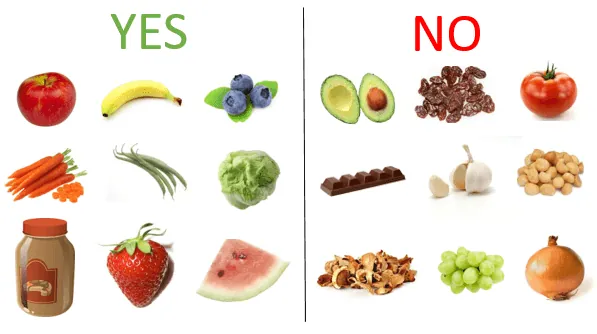
- Always remove seeds, pits, and rinds from fruits, as these often contain cyanide or pose choking hazards.
- Prioritize plain, steamed, or boiled preparation methods, avoiding butter, oils, and seasonings entirely.
- Consult your veterinarian before introducing new foods if your dog has a history of pancreatitis or allergies.
- Keep toxic items like grapes, raisins, chocolate, and xylitol strictly out of reach at all times.
- Monitor portion sizes carefully to prevent unwanted weight gain and ensure nutritional balance.
Healthy Fruits and Vegetables
Many common pantry staples are excellent low-calorie snacks for dogs. Vegetables provide fiber and vitamins, while fruits offer natural sweetness and hydration.
| Food Item | Preparation Method | Benefit |
|---|---|---|
| Carrots | Raw or steamed | Dental health |
| Blueberries | Fresh or frozen | Antioxidants |
| Green Beans | Plain, boiled or raw | Low-calorie filler |
| Cucumber | Sliced into rounds | Hydration |
| Apples | Core and seeds removed | Fiber and vitamins |
Nutrient-dense snacks like carrots or blueberries can be used as training rewards, which is a great way to manage calories while reinforcing positive behavior. Always wash produce thoroughly to remove pesticides.
Proteins You Can Safely Serve
Dogs are omnivores that thrive on high-quality animal protein. While many commercial diets are meat-based, you can occasionally offer plain, cooked proteins as a special treat or a meal topper.
- Chicken breast: Must be boneless and skinless.
- Turkey: Ensure it’s free of stuffing and seasoning.
- Lean beef: Ground or steak, cooked thoroughly.
- Eggs: Scrambled or hard-boiled, never raw.
- White fish: Cooked, deboned, and served plain.
Warning: Never feed your dog cooked bones, as they splinter easily and can cause severe internal damage or intestinal blockages. Stick to boneless cuts only to ensure safety.
Grains and Carbohydrate Sources
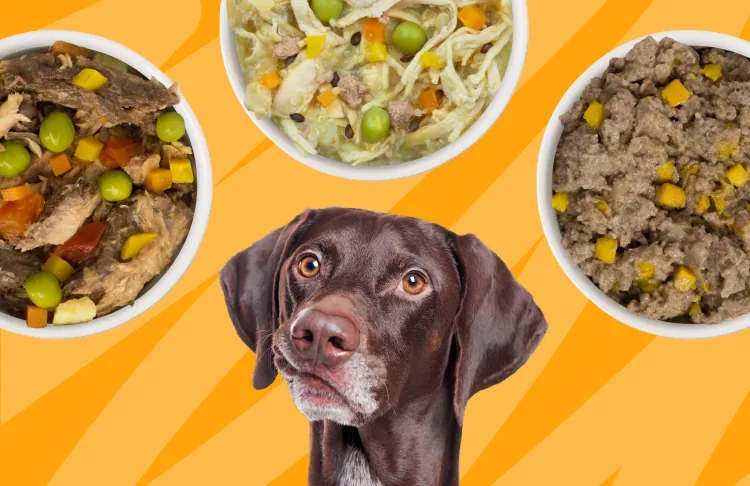
If your dog doesn’t have a grain sensitivity, certain cooked carbohydrates can provide a quick energy boost. These should be served in small amounts and always fully cooked.
- Plain white rice: Excellent for settling an upset stomach.
- Oatmeal: Plain, cooked oats are a great source of fiber.
- Sweet potatoes: Must be cooked and served without skin.
- Quinoa: A protein-rich alternative to traditional grains.
Pro Tip: If your dog has a sensitive stomach, stick to a bland diet of boiled chicken and white rice until their digestion stabilizes.
What Foods Should You Avoid?
Some human foods are dangerous or toxic to canines, even in small amounts. It’s vital to memorize this list to protect your pet from accidental poisoning.
- Grapes and raisins
- Onions and garlic
- Chocolate and caffeine
- Macadamia nuts
- Alcoholic beverages
- Products containing xylitol
Can You Feed Dogs Table Scraps?
Feeding table scraps is a common habit, but it often leads to obesity and behavioral issues like begging. If you choose to share your meal, stick to specific, plain components rather than mixed dishes. Most restaurant-prepared food contains high levels of sodium, fat, and spices that can trigger pancreatitis, a painful inflammation of the pancreas.
| Risk Factor | Potential Consequence |
|---|---|
| High Fat | Pancreatitis |
| High Salt | Dehydration or kidney stress |
| Seasonings | Gastrointestinal distress |
| Added Sugar | Weight gain and dental issues |
Dairy and Healthy Fats
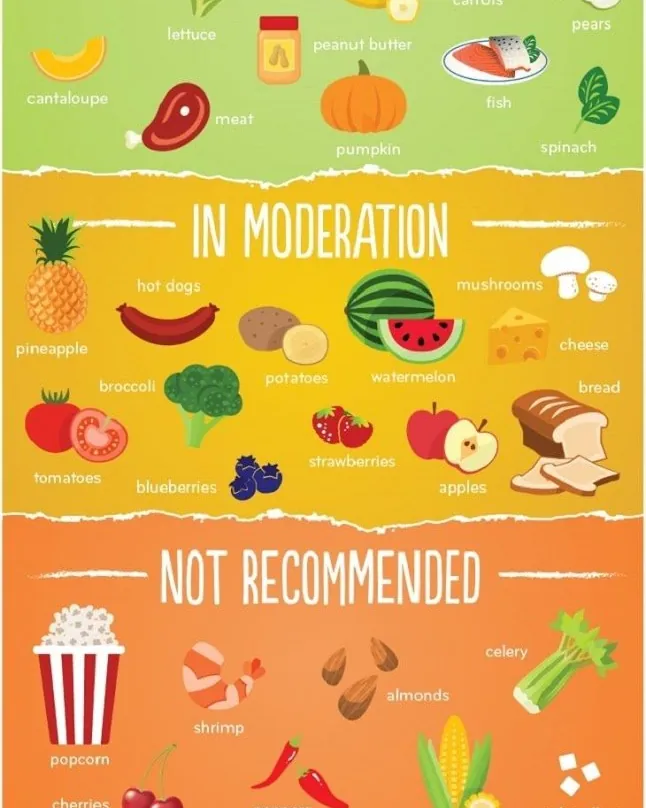
Many dogs are lactose intolerant, meaning they lack the enzyme necessary to digest dairy effectively. While some dogs can handle a small amount of plain yogurt, others may experience immediate diarrhea.
- Plain Greek yogurt: Contains probiotics that aid digestion.
- Cottage cheese: A source of calcium and protein.
- Coconut oil: Can be added in tiny amounts for skin health.
Always monitor your dog after serving dairy for the first time. If you notice gas, bloating, or loose stools, avoid dairy products in the future to keep your pet comfortable.
Frequently Asked Questions
Is it safe to feed dogs raw meat?
Feeding raw meat carries significant risks of bacterial contamination, such as Salmonella and Listeria, which can affect both your dog and your household members. Most veterinarians recommend cooking all meat thoroughly to eliminate these pathogens. While some owners prefer raw diets, the risk of nutritional imbalance and bacterial infection makes cooked, human-grade protein a much safer choice for the average pet owner.
How much human food is too much?
A general rule of thumb is the ten percent rule: treats, including human food, shouldn’t exceed ten percent of your dog’s total daily caloric intake. The remaining ninety percent should come from a nutritionally complete and balanced commercial dog food. Over-relying on human food can lead to vitamin deficiencies or toxicities over time, as these foods aren’t formulated for canine nutritional needs.
Can dogs eat peanut butter?
Dogs can eat peanut butter, but you must check the label for xylitol. This ingredient is extremely toxic to dogs and is often hidden in “natural” or “low-sugar” peanut butter brands. Always choose a plain, unsalted peanut butter that contains only peanuts. Even with safe brands, use it sparingly as it’s very high in fat and can contribute to weight gain.
What should I do if my dog eats something toxic?
If you suspect your dog has ingested a toxic food, contact your veterinarian or an animal poison control center immediately. Don’t wait for symptoms to appear, as early intervention is critical for a positive outcome. Keep the packaging of the food your dog consumed, as this information is vital for the medical team to determine the correct treatment plan for your pet.
Conclusion
Proper nutrition is the cornerstone of a long and healthy life for your companion. By selecting whole, plain ingredients and avoiding dangerous additives, you can safely enhance your dog’s diet with variety. Start by introducing one new item at a time in small quantities and observe their reaction before making it a regular part of their feeding routine.