
Dog food is important for your pet’s daily health and long-term vitality because it provides complete nutrition.
Important food types for your dog

Every dog has different needs based on their age and health. This table shows the most common options available to owners today.
| Food type | Best for | Common example |
|---|---|---|
| Dry kibble | Daily convenience | Crunchy grain-based pieces |
| Wet food | Picky eaters | Canned meat chunks |
| Raw diet | High-energy dogs | Frozen meat and bone |
| Fresh food | Sensitive stomachs | Delivered refrigerated meals |
| Senior formula | Older joints | Low-calorie soft kibble |
Dry kibble
Dry kibble is a shelf-stable food designed for convenience and ease of storage. It suits owners who need a consistent feeding schedule and a product that stays fresh in the bowl for several hours.
- It helps reduce tartar buildup through the mechanical action of chewing.
- It’s generally more affordable than other commercial feeding options.
- It’s easy to measure and portion for weight management.
You might feed a medium-sized dog 2 cups per day, split into two meals, though you must always check the Association of American Feed Control Officials guidelines on the label for exact amounts.
Wet food
Wet food provides high moisture content, which is helpful for dogs that don’t drink enough water during the day. It suits dogs with dental issues or those that find dry kibble too hard to chew.
- It offers stronger aromas that encourage dogs with a low appetite to eat.
- It contains higher levels of protein and fat compared to many dry options.
- It’s easier to mix with medication when your dog is feeling unwell.
A typical serving for a 20-pound dog depends on the caloric density of the specific food, so you must follow the feeding guidelines on the label.
Raw diet
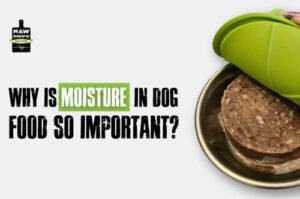
Photo: rawbistro.com on Google
A raw diet consists of uncooked muscle meat, organ meat, and edible bone. It suits owners who have the time to carefully source ingredients and maintain strict hygiene standards to prevent bacterial contamination.
- It provides high-quality protein in a form that’s easy to digest.
- It often results in smaller, firmer stools due to high nutrient absorption.
- It allows for complete control over every single ingredient in the bowl.
If you choose this, you must handle meat carefully to avoid salmonella, and you should consult a veterinarian to ensure the diet is nutritionally complete for your dog.
Fresh food
Fresh food is prepared using human-grade ingredients and is typically delivered pre-portioned. It suits busy owners who want the benefits of home-cooked meals without the time spent shopping or prepping ingredients.
- It avoids the high-heat processing used to make traditional dry kibble.
- It uses whole vegetables and meats that are easy to identify.
- It’s customized to your dog’s weight, age, and activity level.
You store these packets in the freezer and move them to the fridge one day before serving to thaw them safely for your pet.
Other feeding options
- Grain-free food: This is designed for dogs with specific grain sensitivities or allergies, using alternative carbohydrates like peas or sweet potatoes instead of wheat or corn.
- Limited ingredient diet: This uses a single protein source and one carbohydrate to help identify the specific cause of a dog’s skin or stomach irritation.
- Prescription diets: These are formulated by veterinarians to manage specific medical conditions like kidney disease, diabetes, or bladder stones under professional supervision.
Choosing the right food
Photo: solukypet.com on Google
Deciding which food to choose depends on your dog’s age, health, and your own daily routine. If your dog is a puppy, they need a formula labeled for growth, while senior dogs often require lower calories to prevent obesity.
If you have a busy schedule, dry kibble is the easiest choice, but if your dog has a sensitive stomach, you might need a fresh or limited-ingredient diet. These options can sometimes be mixed, but you should always monitor your dog’s weight and stool quality to see how they handle the change in their diet.
Frequently asked questions
How much should I feed my dog?
You should follow the feeding chart on the bag, which uses your dog’s current weight and activity level to determine the daily portion. Always adjust this amount based on your dog’s body condition.
Is it safe to change my dog’s food?
It’s safe to change food, but you must do it slowly over 7 to 10 days. Mix a little of the new food with the old, slowly increasing the new portion to avoid stomach upset.
What happens if my dog stops eating?
If your dog skips more than two meals, it’s time to call your veterinarian. A loss of appetite can be a sign of dental pain, illness, or a reaction to a new food.
Does the brand of dog food matter?
It matters because reputable brands perform feeding trials to prove their food is complete. Look for a statement on the label that says it meets nutritional standards for your dog’s life stage.
Can I feed my dog human leftovers?
You should avoid feeding table scraps because many human foods are toxic to dogs, such as onions, garlic, grapes, and chocolate. Stick to balanced dog food to avoid dangerous health risks.
How do I know if my dog is overweight?
You should be able to feel your dog’s ribs easily without pressing hard. If you can’t feel the ribs, or if your dog has no visible waist, talk to your vet about a diet plan.
How long does canned food last after opening?
You should use canned food within 3 to 5 days of opening. Keep the can tightly covered in the refrigerator to prevent bacteria from growing on the surface.
Conclusion
Start by checking your dog’s current weight and body shape against the guidelines on the food packaging. You should expect to see steady weight maintenance and healthy energy levels. Stop and call your vet if your dog shows signs of persistent vomiting or diarrhea.