

Commercial dry kibble that meets national nutrient standards is the best food for most dogs because it provides complete, balanced nutrition at an affordable price, though veterinary prescription diets are the superior option for those with kidney disease.
Dog food options compared
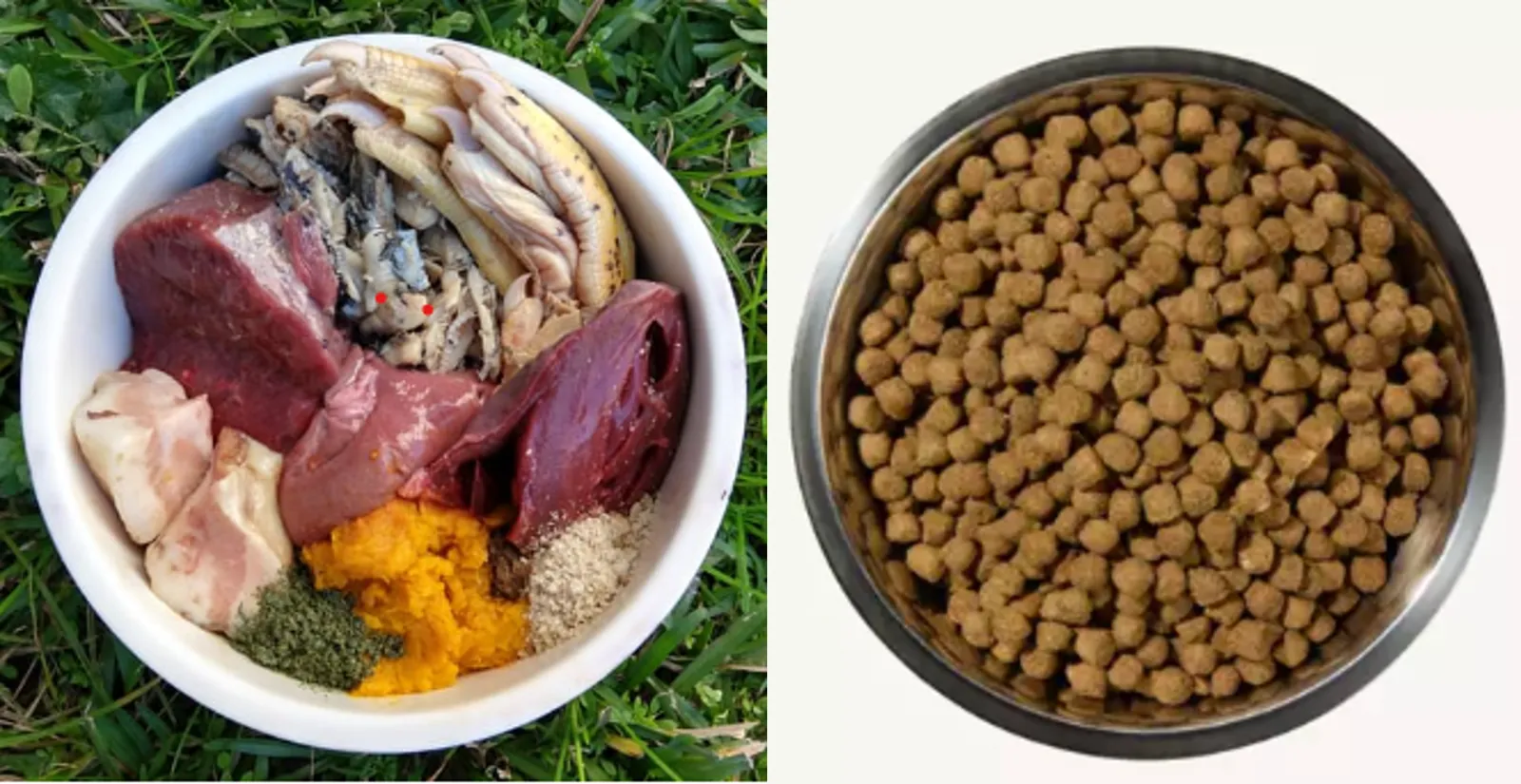
Different feeding styles offer clear trade-offs between convenience, price, and nutritional balance. Balance your budget against your schedule.
| Method | How long | Effort | Cost | Best for |
|---|---|---|---|---|
| Commercial dry kibble | 2 minutes | Low | Low | Busy owners on a budget |
| Wet canned food | 2 minutes | Low | Medium | Older dogs or picky eaters |
| Commercial fresh food | 5 minutes | Medium | High | Dogs needing high moisture and simple ingredients |
| Home-cooked diet | 60 minutes | High | High | Dogs with complex health needs |
Commercial dry kibble
Dry kibble is shelf-stable food made by mixing, cooking, and shaping ingredients into dry bites. Serving it correctly keeps your pet healthy and prevents unwanted weight gain.
- Read the feeding chart on the bag to find the daily cup measurement based on your dog’s current weight.
- Divide the total daily amount into two equal meals using a standard measuring cup.
- Serve dry kibble in a clean bowl alongside a separate bowl of fresh drinking water.
- Seal the bag tightly and store it in a cool, dry place below 80°F.
Kibble is easy to store and keeps its freshness for weeks after opening. It’s also the most budget-friendly way to feed a pet daily. Its main weakness is low moisture content, requiring extra water intake.
Wet canned food
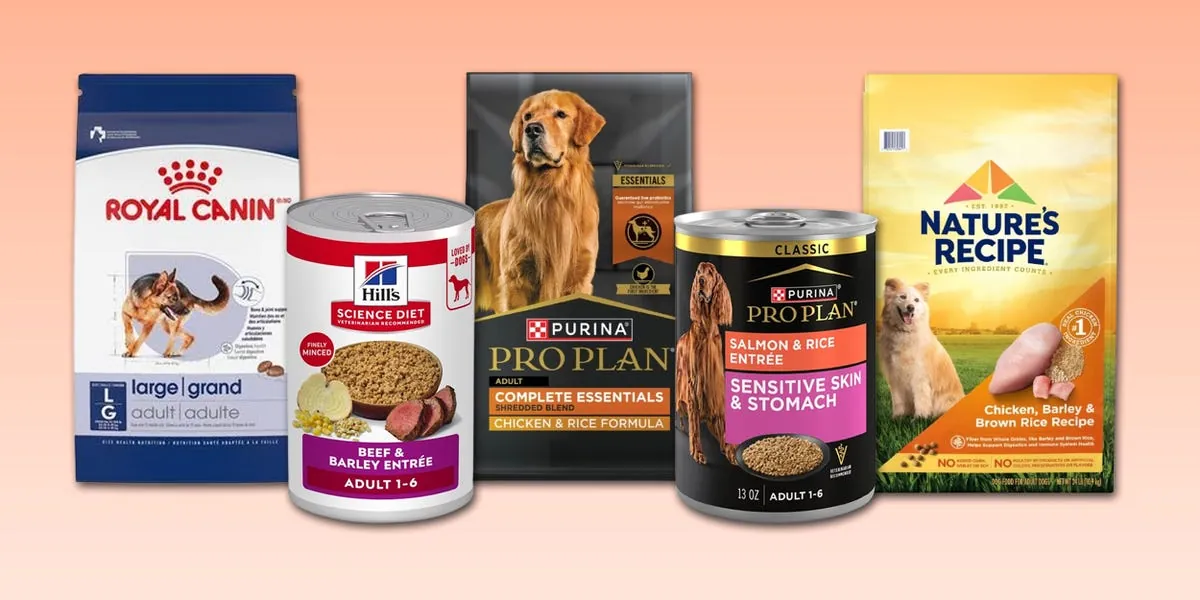
Canned food contains high amounts of meat, moisture, and gravy or jelly. It provides rich aroma and soft texture, which helps pets who struggle to chew hard pieces.
- Check the can’s label to match your pet’s target weight with the daily ounce requirement.
- Open the can and spoon the measured portion into the bowl, mashing large chunks if needed.
- Discard any uneaten canned food left in the bowl after 2 to 4 hours.
- Cover the opened can with a plastic pet food lid and place it in the refrigerator.
This option offers strong smell and flavor that encourages sick or aging dogs to eat well. It also adds hydration directly into the meal. The downside is the high ongoing cost compared to dry food.
Commercial fresh food
Fresh food uses gently cooked whole meats and produce, packaged in sealed plastic pouches and kept cold. It offers whole-food ingredients without the danger of raw meat bacteria.
- Thaw the daily pouch in your refrigerator for 24 hours before feeding.
- Cut the package open and weigh out the portion in ounces using a digital kitchen scale.
- Warm the portion to room temperature if your dog dislikes cold meals, but don’t boil it.
- Store remaining opened food in a sealed container in the fridge for up to 4 days.
Fresh food provides digestible ingredients without artificial flavorings. It works well for pets with stomach sensitivities. Its major downsides are limited storage and high delivery expense.
Picking the right diet for your dog
Your choice depends on your time and your dog’s health needs.
For the best results, choose veterinary-formulated fresh food or custom home cooking. It provides nutrition matched to your pet’s body. Dry food saves time and money, while fresh food costs more and requires storage space.
Feeding standards and daily rules
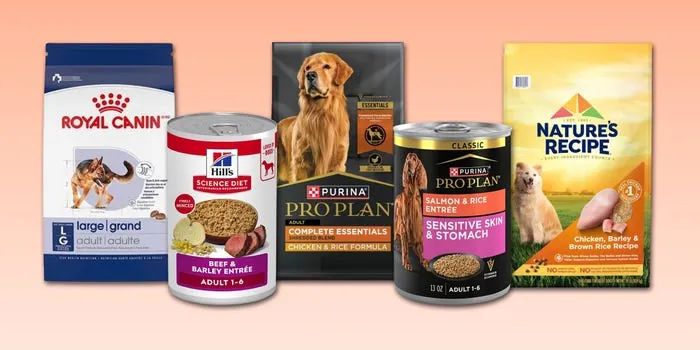
Always look for a nutritional adequacy statement on the package. The Association of American Feed Control Officials ensures dog foods contain complete nutrition for specific life stages.
Prepare a seven-day transition schedule before changing foods. Mix 25% new food with 75% old food for two days, move to half-and-half for two days, then 75% new food for two days. This prevents severe diarrhea and vomiting.
Monitor your dog’s stool and body shape. You should easily feel their ribs. Wash bowls with hot water and soap after every meal to stop bacteria growth. If your dog loses weight quickly or refuses food for 48 hours, consult a veterinarian.
Frequently asked questions
Can dogs eat a purely vegetarian diet?
Yes, but only under the direct supervision of a veterinary nutritionist. Dogs are omnivores and can use plant nutrients, but making these meals balanced without commercial synthetic additives is very difficult.
Is grain-free food better for dogs?
No, most dogs digest grains like rice and oats easily. True grain allergies are rare in pets, and the Food and Drug Administration has investigated links between certain grain-free legume diets and heart disease.
How often should an adult dog eat?
Two times per day is the standard schedule for healthy adult dogs. Feeding once in the morning and once in the evening prevents stomach bloat and keeps energy levels steady through the day.
How long can opened wet food stay in the fridge?
Three days is the safe limit for opened canned food stored in a refrigerator at 40°F or below. After 72 hours, throw out any leftover portion to prevent bacterial spoilage.
What happens if I switch foods too fast?
Sudden food changes cause acute diarrhea, stomach cramps, and vomiting within 12 to 24 hours.
Can I mix wet and dry dog food together?
Yes, mixing wet and dry food is a great way to add flavor and hydration while keeping costs reasonable. Just make sure the combined calories match your pet’s daily calorie requirement.
Conclusion
Daily calorie needs vary by breed, age, and neuter status. You can find your pet’s specific body condition score on charts provided at your local veterinary clinic. Use that score to adjust portions slowly over time, keeping your dog lean, active, and healthy.