
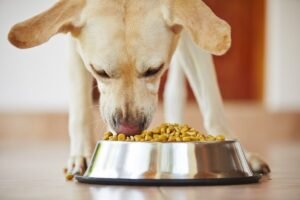
Dogs need a balanced diet tailored to their biology, which is why owners provide commercial dog food to avoid dangerous nutrient imbalances. Unlike humans, dogs have very specific requirements for essential minerals.
What dogs need from their food
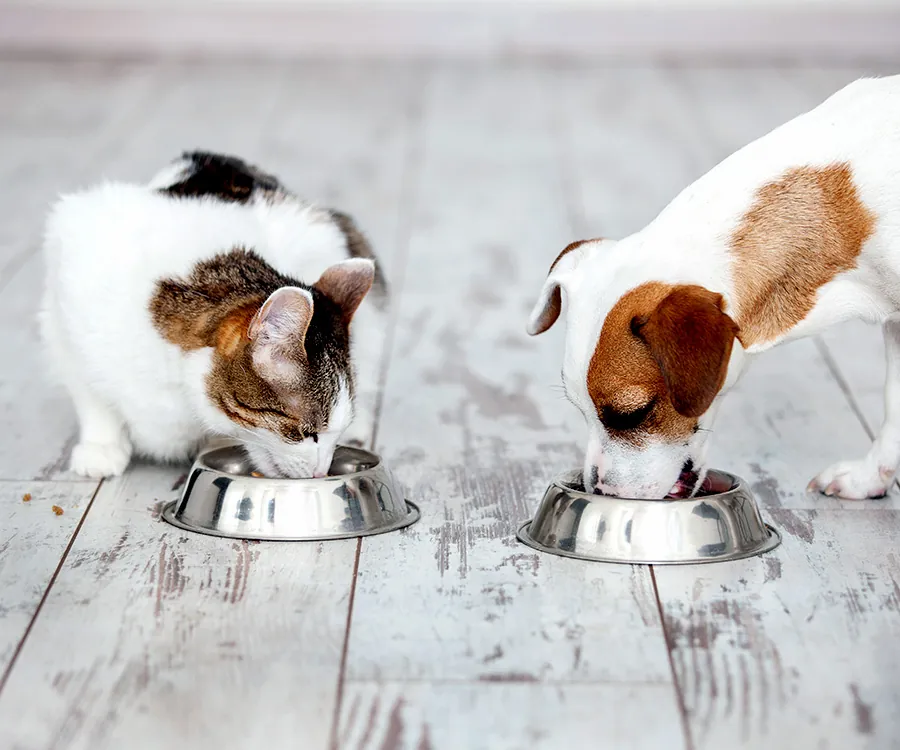
Commercial formulas are designed to meet the strict nutritional standards established by experts. These foods provide the precise mix of proteins, fats, vitamins, and minerals that a canine body needs to function correctly every day.
- Complete Nutrition: Every serving contains the necessary amino acids, such as taurine, that dogs can’t produce in enough quantity on their own.
- Safety Standards: Manufacturers follow guidelines set by the Association of American Feed Control Officials to ensure every bag provides a balanced meal.
- Age Specificity: Formulas for puppies contain higher calorie counts, while senior blends focus on joint health and lower energy density.
- Digestibility: Ingredients are processed to ensure the animal can absorb nutrients efficiently, which minimizes waste and digestive stress.
- Toxin Removal: Professional manufacturing processes help eliminate pathogens like Salmonella that may be present in raw or improperly handled ingredients.
Why Specialized Canine Nutrition Matters
The primary reason dogs need specific food is their distinct metabolic path compared to humans. While humans are omnivores with flexible dietary needs, dogs have evolved to thrive on specific ratios of protein and fat. If you feed a dog human scraps, you risk giving them too much salt, sugar, or fat, which can lead to obesity or even organ failure.
Dogs also have different sensitivities to common human foods. Ingredients such as onions, garlic, grapes, and chocolate are toxic to dogs even in small amounts. Commercial food is tested to ensure these harmful substances are never included.
Furthermore, if you’re wondering about the exact mineral ratios, you should look at the “Guaranteed Analysis” label on the packaging. This section lists the minimum percentages of crude protein and fat. If your dog has a medical condition, always consult your veterinarian before changing their diet, as they can recommend specific therapeutic formulas.
When Nutritional Requirements Change
The standard commercial diet is appropriate for most healthy dogs, but specific life stages or health conditions require a shift in strategy. You must adjust your approach based on the animal’s physical state.
| Situation | What Changes | What to do instead |
|---|---|---|
| Puppy growth | Calorie density | Provide high-growth puppy formula |
| Senior years | Joint support | Choose senior-specific diets |
| Food allergies | Protein source | Use limited-ingredient diets |
| Kidney disease | Phosphorus levels | Follow vet-prescribed renal food |
| Weight gain | Fat content | Use weight management formulas |
How to Feed Your Dog Correctly
- Read the Label: Check the packaging for an AAFCO statement confirming the food is complete and balanced for the dog’s life stage.
- Measure Portions: Use a standard measuring cup to provide the exact amount listed on the bag for your dog’s current weight.
- Establish Schedule: Feed your dog at the same two times every day to maintain a steady metabolic rhythm and healthy digestion.
- Monitor Body Condition: Feel your dog’s ribs; you should be able to feel them easily without pressing hard through a thick layer of fat.
- Limit Extras: Keep human food treats to less than 10% of their total daily caloric intake to prevent nutritional dilution of their meals.
- Fresh Water: Ensure a bowl of clean, fresh water is available at all times, as digestion requires significant hydration to process dry kibble.
Mistakes That Ruin Canine Health

- Feeding Table Scraps: This habit often leads to obesity and pancreatitis because human food is far too high in fat and sodium for a dog.
- Mixing Too Many Toppers: Adding excessive meat or oils to kibble can unbalance the carefully measured nutrient ratios, leading to long-term health deficits.
- Ignoring Serving Sizes: Overfeeding is the most common cause of joint issues and diabetes, so always use a measuring cup rather than guessing.
- Switching Foods Abruptly: Rapid changes can cause severe vomiting or diarrhea, so always transition to a new food by mixing it over seven days.
Frequently asked questions
Can dogs eat human food instead of dog food?
Dogs shouldn’t eat human food as their primary diet because it’s very difficult to balance the essential nutrients they require. Human meals often contain hidden salt, fats, and spices that are safe for people but harmful to a dog’s digestive system.
How long can a dog go without eating?
A healthy adult dog can go about 48 hours without food, but this assumes they’re still drinking plenty of fresh water. If your dog refuses to eat for more than 24 hours, you should contact your veterinarian to rule out illness.
Is it safe to feed a dog raw meat?
Feeding raw meat carries a significant risk of bacterial contamination for both the dog and the humans in the household. Most veterinarians advise against raw diets because they’re rarely nutritionally complete and pose a high risk of foodborne illness.
Why does my dog refuse to eat?
A dog refusing to eat is often a sign of dental pain, an upset stomach, or a stressful environment. If your dog skips more than two consecutive meals, it’s time to have them examined by a professional for a physical health check.
Does it matter if I buy cheap dog food?
It matters because cheaper food often uses lower-quality fillers that are harder for a dog to digest properly. Always check the ingredient list to ensure a high-quality protein source is listed as the very first item on the label.
How much should I feed my dog?
Feed your dog the amount suggested on the food bag, then adjust based on their activity level. If your dog gains weight, reduce the portion by 5% and monitor their body condition over two weeks.
Conclusion
Choosing the right meal plan is a simple way to help your best friend thrive for years to come. If you’re unsure about your pup’s current diet, don’t hesitate to chat with your vet during your next visit. They’ll help you find the perfect balance so your dog stays happy and healthy.