

The best dog foods for dogs are those formulated to meet the nutritional standards set by the Association of American Feed Control Officials to ensure complete and balanced health. High-quality diets focus on animal-based proteins and essential fatty acids rather than fillers or artificial additives.
Key Takeaways
- Prioritize diets containing a named meat protein as the first ingredient.
- Ensure the label indicates a life-stage appropriate formulation.
- Avoid foods with vague ingredients like “meat meal” or “animal fat.”
- Consult your veterinarian before changing your dog’s diet significantly.
- Monitor your pet for changes in coat quality or energy levels.
Nutritional Requirements for Dogs
Dogs require a specific balance of proteins, fats, carbohydrates, vitamins, and minerals. Puppies need higher caloric density for growth, while senior dogs often require lower calories and joint-supporting supplements.
| Nutrient Type | Primary Function |
|---|---|
| Protein | Tissue repair and muscle maintenance |
| Fats | Energy source and skin health |
| Fiber | Digestive regularity and satiety |
Best Dog Foods for Dogs

Choosing a reputable brand often involves looking at their quality control processes. Many veterinarians recommend brands that conduct clinical feeding trials.
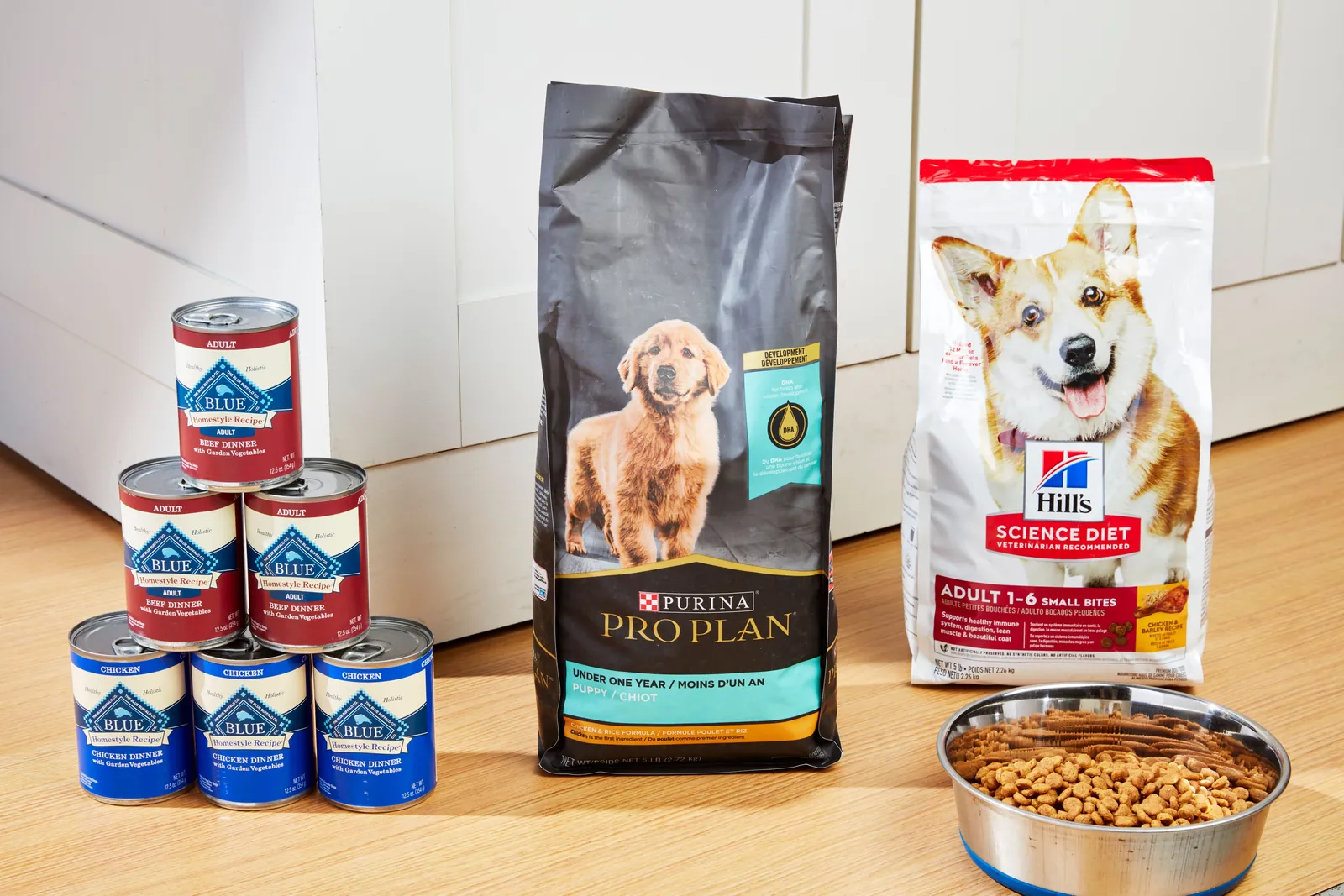
- Royal Canin
- Purina Pro Plan
- Hill’s Science Diet
- Eukanuba
Understanding Food Labels
Labels can be confusing. Look for the “complete and balanced” statement. This indicates the food provides all necessary nutrients in the right proportions.
Warning: Always transition to new food slowly over seven days to prevent gastrointestinal upset and vomiting.
Dry vs. Wet Food Options
Both forms are nutritionally adequate, but they offer different benefits. Dry kibble is often more convenient and helps maintain dental hygiene, while wet food provides higher moisture content.
| Food Type | Best For | Pros |
|---|---|---|
| Kibble | Budget and convenience | Dental health support |
| Wet Canned | Hydration and picky eaters | Palatability and aroma |
What About Grain-Free Diets?
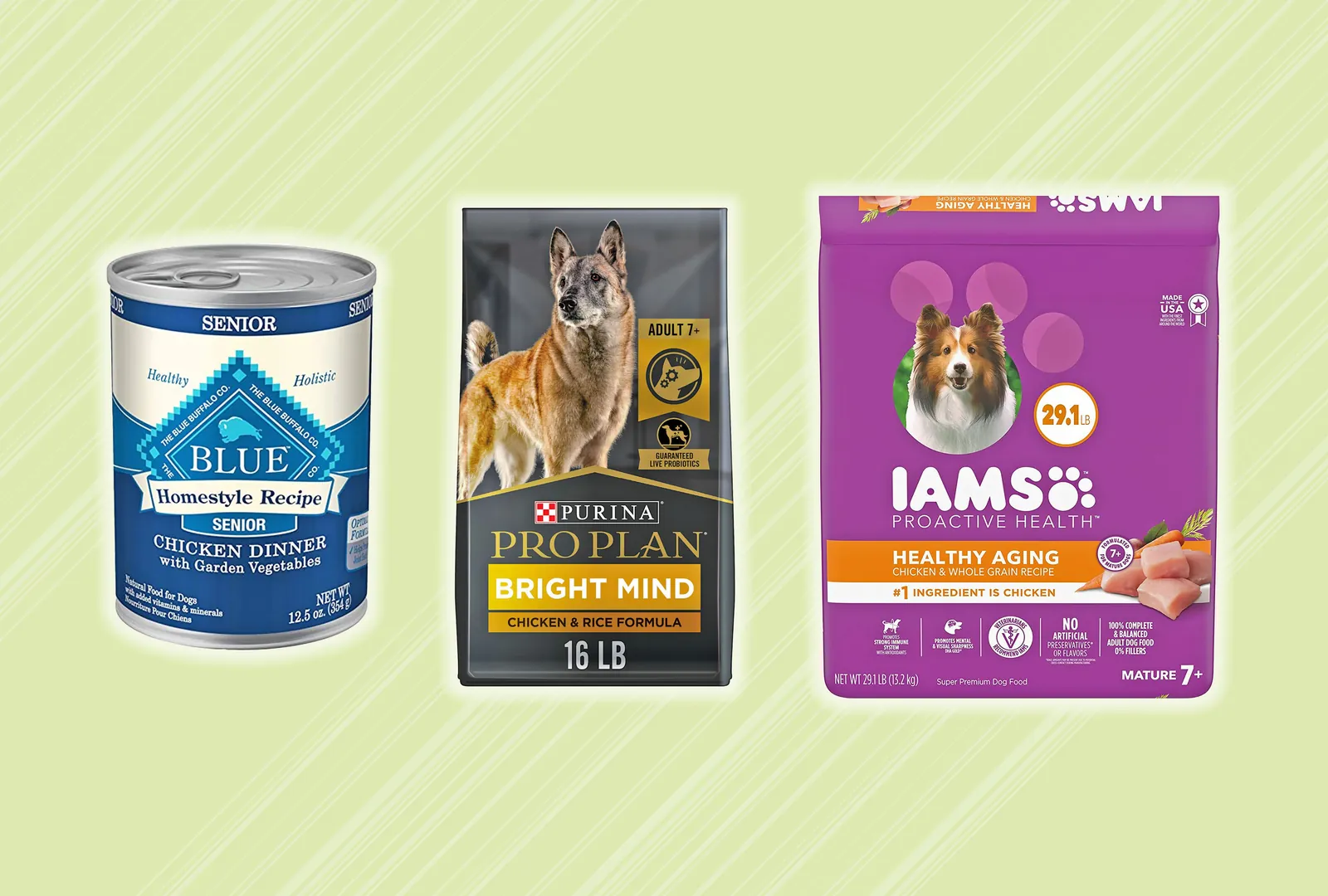
Grain-free diets aren’t inherently better for most dogs. Unless your dog has a confirmed grain allergy, whole grains like brown rice or oats provide valuable fiber and energy.
Frequently Asked Questions
Is raw feeding safe?
Raw diets pose significant risks of bacterial contamination, such as Salmonella, which can affect both pets and humans. Most veterinarians caution against them due to potential nutritional imbalances and safety hazards.
How much should I feed?
Feeding amounts vary based on age, weight, and activity level. Start by following the guidelines on the packaging, then adjust based on your dog’s body condition score to maintain a healthy weight.
Can dogs eat human food?
Some human foods like plain cooked chicken or carrots are fine, but many others are toxic. Never feed your dog onions, garlic, grapes, chocolate, or xylitol, as these can be fatal.
How do I spot allergies?
Common signs include excessive scratching, recurring ear infections, or chronic digestive issues. If you suspect an allergy, work with your vet to conduct an elimination diet trial.
Pro Tip: Keep a simple log of your dog’s weight and stool quality when introducing a new food to track their long-term health progress effectively.
Conclusion
Finding the right nutrition is a journey that changes as your dog ages. Start by reviewing your current label for AAFCO compliance, then observe how your dog responds to a high-quality, life-stage appropriate formula over the next month to ensure they remain vibrant and healthy.