
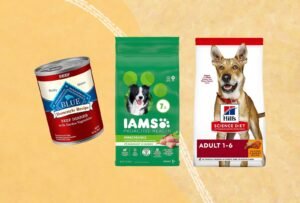
No single food brand is best for every dog because nutritional needs vary by age, size, and health status. The right choice depends on AAFCO adequacy statements matching your dog’s life stage, not marketing claims or price alone.
Why the label matters more than the name

The statement of nutritional adequacy on the bag tells you if the food meets established nutrient profiles for growth, maintenance, or all life stages. Without this specific declaration, even premium brands may lack essential nutrients your dog requires daily.
A common mistake is switching foods based solely on ingredient lists without checking caloric density or guaranteed analysis. This leads to overfeeding or nutrient gaps that don’t show up until health problems develop months later.
Choosing the best food brand for dogs
- Read the AAFCO statement first to confirm the food is complete and balanced for your dog’s specific life stage. Puppies need growth formulas; seniors often benefit from adjusted protein and phosphorus levels that adult maintenance diets don’t provide.
- Check the guaranteed analysis for minimum crude protein and fat percentages appropriate for your dog’s activity level. Active working dogs typically need higher fat (15-20%) than sedentary pets (8-12%), so adjust based on body condition score rather than package recommendations.
- Calculate daily portions using the feeding guide as a starting point only, then weigh your dog every two weeks. If weight increases, reduce by 10%; if ribs become visible, increase by the same amount, since guides assume average metabolism.
- Verify the manufacturer conducts feeding trials or formulates to meet nutrient profiles through testing. Brands that skip validation risk batch-to-batch inconsistency that lab analysis alone can’t catch before the food reaches your bowl.
- Transition gradually over seven days by mixing 25% new food with 75% old food initially. Increase the new portion by 25% every other day to prevent digestive upset that mimics food intolerance symptoms.
Tip: If your dog has diagnosed kidney disease, pancreatitis, or allergies, skip commercial comparisons entirely and consult a board-certified veterinary nutritionist for a prescription diet tailored to bloodwork results.
How long dog food transitions take
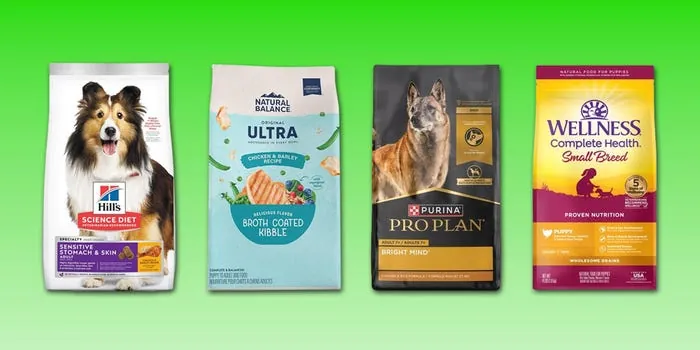
Most healthy dogs complete a food switch in seven days, but sensitive stomachs or therapeutic diets require longer adjustment periods. Rushing causes vomiting or diarrhea that owners mistakenly blame on the new formula itself.
| Situation | Duration | What changes it | What to watch for |
|---|---|---|---|
| Healthy adult dog | 7 days | Standard metabolism | Normal stool consistency |
| Puppy or senior | 10-14 days | Developing or aging gut | Appetite and energy levels |
| Sensitive digestion | 14-21 days | Microbiome adaptation | Stool quality and frequency |
| Prescription diet | 21-28 days | Therapeutic nutrient shift | Clinical signs improving |
| Raw to kibble switch | 14+ days | Enzyme production adjustment | Hydration and stool volume |
If transition symptoms persist beyond the expected timeframe for your situation, pause at the current ratio for three extra days before increasing the new food percentage again.
Signs your dog’s food works well
Stable body condition, consistent energy, and firm stools indicate proper nutrition regardless of brand prestige. The World Small Animal Veterinary Association provides body condition scoring charts you can use at home to objectively assess whether your dog maintains ideal weight on their current diet.
Coat shine and skin health improve within six to eight weeks when fatty acid ratios are correct. Dull fur or excessive shedding after three months suggests inadequate omega-3 or omega-6 levels, not necessarily poor quality ingredients overall.
Common dog food selection mistakes
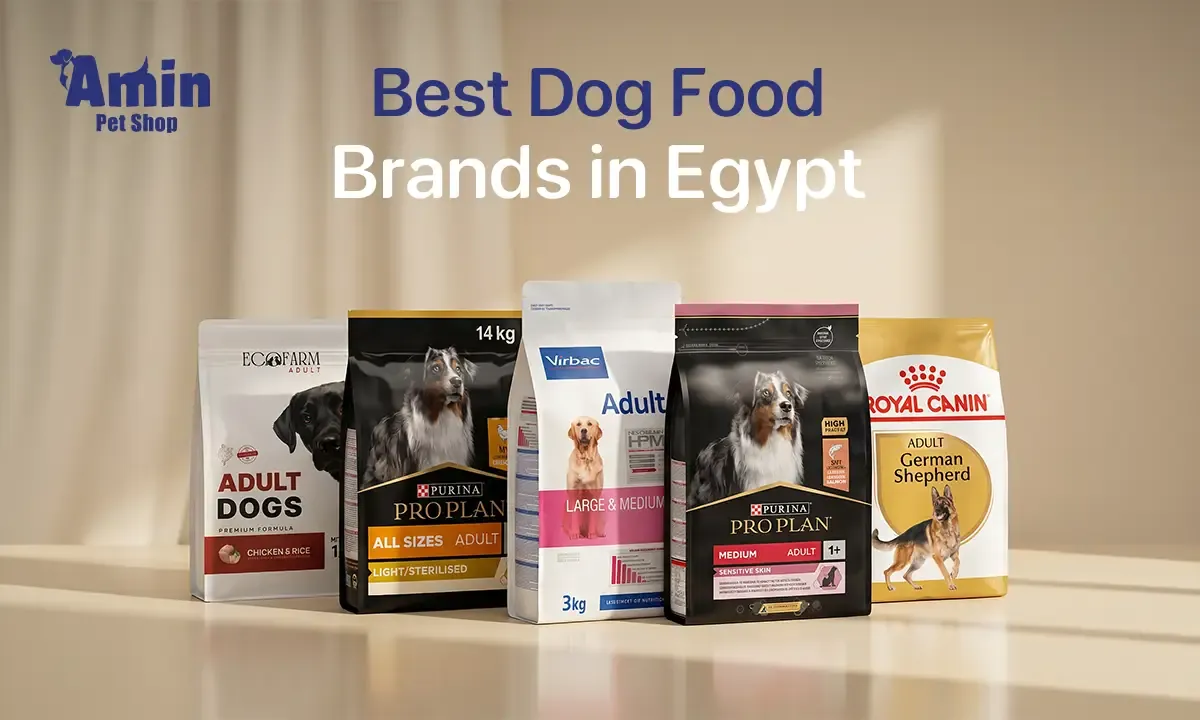
- Ignoring calorie density: Foods range from 300 to 500 calories per cup, so equal volumes deliver vastly different energy. Weigh portions instead of scooping to prevent obesity or malnutrition that develops slowly over months.
- Chasing grain-free trends: The FDA investigated a potential link between dilated cardiomyopathy and certain grain-free diets, particularly those high in peas, lentils, or potatoes. Choose foods with published taurine content or proven safety records unless your vet confirms a true grain allergy.
- Overlooking storage practices: Oxidized fats lose nutritional value and cause rancidity within weeks of opening large bags. Buy sizes your dog finishes in thirty days and store in original packaging inside airtight containers away from heat.
- Assuming expensive equals better: Price reflects marketing budgets and sourcing costs, not necessarily superior nutrition. Compare guaranteed analysis and AAFCO compliance instead of trusting premium positioning or celebrity endorsements.
Frequently asked questions
Can I mix two dog food brands together?
Yes, mixing brands is safe if both carry AAFCO adequacy statements for the same life stage. However, combining foods makes it impossible to identify which formula causes reactions if problems arise, so introduce one change at a time and track responses carefully.
Why does my dog have loose stool on new food?
Loose stool during transitions usually indicates too-rapid introduction rather than food intolerance. Slow the transition pace by holding at the current ratio for three to five days before increasing the new food percentage, and ensure fresh water is always available to support digestive adjustment.
How long should I try a food before switching?
Give any nutritionally complete food eight to twelve weeks before judging effectiveness, since coat, skin, and stool improvements take time. Switching sooner prevents accurate assessment and creates unnecessary dietary disruption that compounds digestive sensitivity issues.
Is raw food safer than kibble for dogs?
No, raw diets carry documented Salmonella and Listeria risks for both pets and handlers according to FDA warnings. Cooked commercial diets undergo processing that eliminates pathogens while maintaining nutritional adequacy through formulation or feeding trials that meet AAFCO standards.
What happens if I feed puppy food to an adult dog?
Adult dogs eating puppy food long-term risk obesity and orthopedic problems from excess calcium and calories designed for growth. Adult maintenance formulas provide appropriate nutrient ratios for mature metabolism, so switch once your dog reaches breed-specific maturity between twelve and twenty-four months.
How much should I budget for quality dog food monthly?
Monthly costs range from $30 to $150 depending on dog size and food calorie density rather than brand tier alone. Compare the cost per calorie listed on the packaging or provided by the manufacturer to determine true value across products.
Conclusion
Finding the right bowl for your dog doesn’t have to feel overwhelming. Just talk with your vet about your pup’s specific needs, and they’ll help you pick a bag that fits perfectly. You’ve got this—your dog’s going to love mealtime even more.