
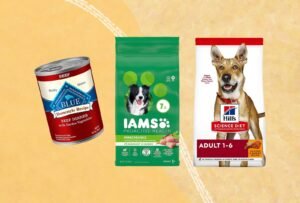
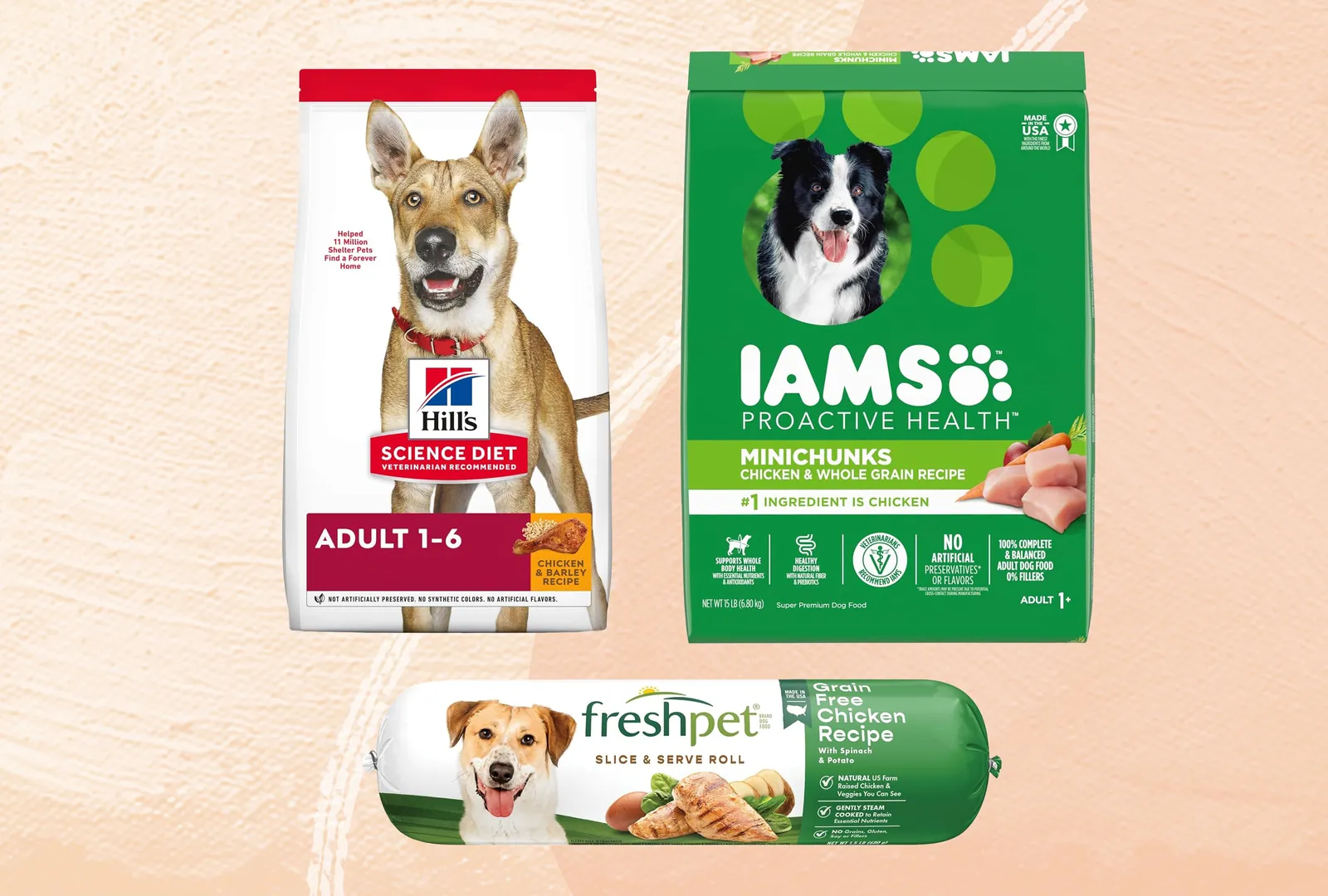
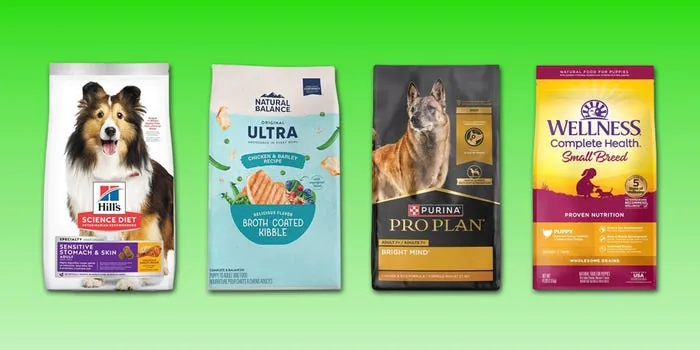
Purina Pro Plan, Hill’s Science Diet, Royal Canin, and Blue Buffalo are good dog food brands that meet AAFCO standards and employ full-time veterinary nutritionists. Select one based on your dog’s age, size, and health needs.
Skipping the guaranteed analysis panel is a common error. It lists minimum protein and fat, maximum fiber and moisture. Without checking these against your dog’s weight and activity, you might buy food that causes hunger or weight gain.
Picking the right dog food brands
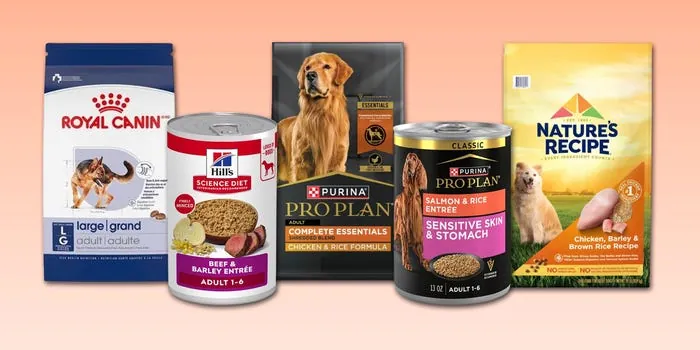
Match the bag to your dog’s specific daily needs rather than trusting front-label marketing.
- Check the AAFCO statement on the back of the bag to confirm the food is complete and balanced for your dog’s specific life stage, such as growth, adult maintenance, or all life stages.
- Look at the guaranteed analysis panel to compare crude protein and fat percentages between two similar bags. An active working dog typically needs higher fat than a senior dog sleeping indoors.
- Match the kibble size to your dog’s mouth. Small breeds choke on large pieces, while giant breeds swallow tiny kibble without chewing, which can lead to gas or bloating.
- Read the ingredient list to ensure a named animal protein like chicken or beef sits in the first three spots. Avoid foods where broadly defined terms like “meat by-products” appear before any named whole protein source.
- Start with a small bag instead of buying in bulk. This limits your financial loss if your dog refuses to eat it or develops loose stools during the first few days.
Tip: Don’t judge quality by the first ingredient alone. Fresh meat contains about 70% water, so a meal like “chicken meal” actually delivers more concentrated protein per cup than fresh chicken listed first.
- Transition slowly over seven to ten days by mixing 25% new food with 75% old food, increasing the new portion every two days. Skipping this step often causes vomiting or diarrhea.
Don’t buy over-the-counter alternatives for prescription diet conditions. A veterinarian must evaluate bloodwork and prescribe the formulation.
How long switching dog food takes
Changing your dog’s food isn’t an overnight process.
| Situation | How long | What changes it | What to watch for |
|---|---|---|---|
| Healthy adult, similar formula | 7 days | Protein source difference | Soft stool on day 3 or 4 |
| Puppy moving to adult food | 10-14 days | Calorie density drop | Lethargy or begging for more |
| Sensitive stomach dog | 14 days | Fiber content increase | Vomiting or frequent diarrhea |
| Switching raw to kibble | 10 days | Moisture content change | Constipation or straining |
These timelines assume a standard healthy dog eating commercial dry food. If liquid stool persists beyond day four, stop adding new food. Hold the current ratio for two days before retrying. Contact your vet if symptoms last longer than a week.
Signs your dog food is working well
You don’t need lab equipment to know if a diet suits your dog.
A healthy coat feels smooth and sheds evenly without bald patches. Stools should be firm, dark brown, and easy to pick up. Chalky white waste suggests excess bone or calcium ash.
Energy levels matter too. Use the World Small Animal Veterinary Association body condition score. You should feel ribs easily under a thin fat layer. If not, portions or calorie density are too high.
Dog food mistakes that cost money
Buying premium bags doesn’t guarantee good health if you handle them poorly.
- Storing kibble in direct sunlight. Heat breaks down fats inside the bag, causing rancidity that degrades nutritional quality and can cause gastrointestinal upset. Keep the sealed bag inside a cool, dark pantry instead of a hot garage.
- Feeding adult portions to puppies. Growing dogs burn significantly more calories and require precise calcium ratios. Using adult food stunts bone development and increases the risk of orthopedic problems. Buy a dedicated puppy formula.
- Ignoring the expiration date. Vitamins degrade rapidly after the “best by” date passes. Your dog eats empty calories without nutritional benefit. Always check the stamp before purchasing discounted bags.
- Mixing too many brands at once. Rotating five different proteins weekly can trigger digestive upset in sensitive dogs. Stick to one reliable brand for at least three months before attempting any rotation.
This approach isn’t for owners who prefer cooking homemade meals from scratch. Home-cooked diets require veterinary nutritionist guidance to prevent deficiencies.
Frequently asked questions
Is grain-free dog food better for my dog?
No, grain-free isn’t automatically healthier. In 2019, the FDA began investigating a potential link between certain grain-free diets containing peas, lentils, or potatoes and canine dilated cardiomyopathy. Unless your vet diagnoses a specific grain allergy, a diet containing rice or oats remains perfectly safe and nutritious.
How much dog food should I feed daily?
For a 30-pound moderately active adult dog, start with roughly 1.5 to 2 cups of dry kibble daily, split into two meals. This assumes a standard food containing about 350 calories per cup. Always adjust based on your dog’s waistline rather than following the bag’s chart blindly.
Can I mix wet and dry dog food together?
Yes, combining both textures improves hydration and palatability. If you add half a can of wet food, reduce the dry kibble proportionally based on the calorie counts on both labels to prevent weight gain. This mixture works well for picky eaters who ignore plain dry bowls entirely.
Why does my dog eat grass after meals?
Grass eating rarely means the food is bad. Dogs chew grass out of boredom, instinct, or to add roughage to their digestion. However, if your dog vomits immediately after every meal regardless of the brand, schedule a veterinary exam to rule out underlying gastrointestinal disease.
How long does an opened bag of dog food last?
An opened bag of dry kibble stays fresh for about six weeks if you squeeze the air out and seal it tightly. After that window, the fats oxidize and vitamins degrade. Buy a bag size your dog can completely finish within a month and a half.
What happens if I switch dog food too fast?
Switching instantly usually causes diarrhea, vomiting, or excessive gas within 24 hours. The bacteria in your dog’s gut need seven to ten days to adapt to new protein sources and carbohydrate structures. Always blend the old and new food gradually to avoid emergency vet visits.
Are expensive dog food brands worth the cost?
Price alone doesn’t equal quality. A mid-range brand meeting AAFCO nutrient profiles through feeding trials often outperforms a boutique brand relying only on recipe formulation. Look for companies employing full-time animal nutritionists rather than judging by price.
Conclusion
Once you’ve picked a bag, introduce it slowly over a week so your dog’s stomach doesn’t get upset. Keep an eye on their energy and coat. If anything seems off, don’t wait—just call your vet. They’ll help you adjust things quickly.