
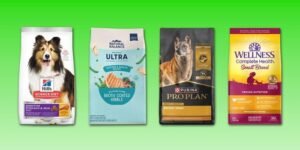
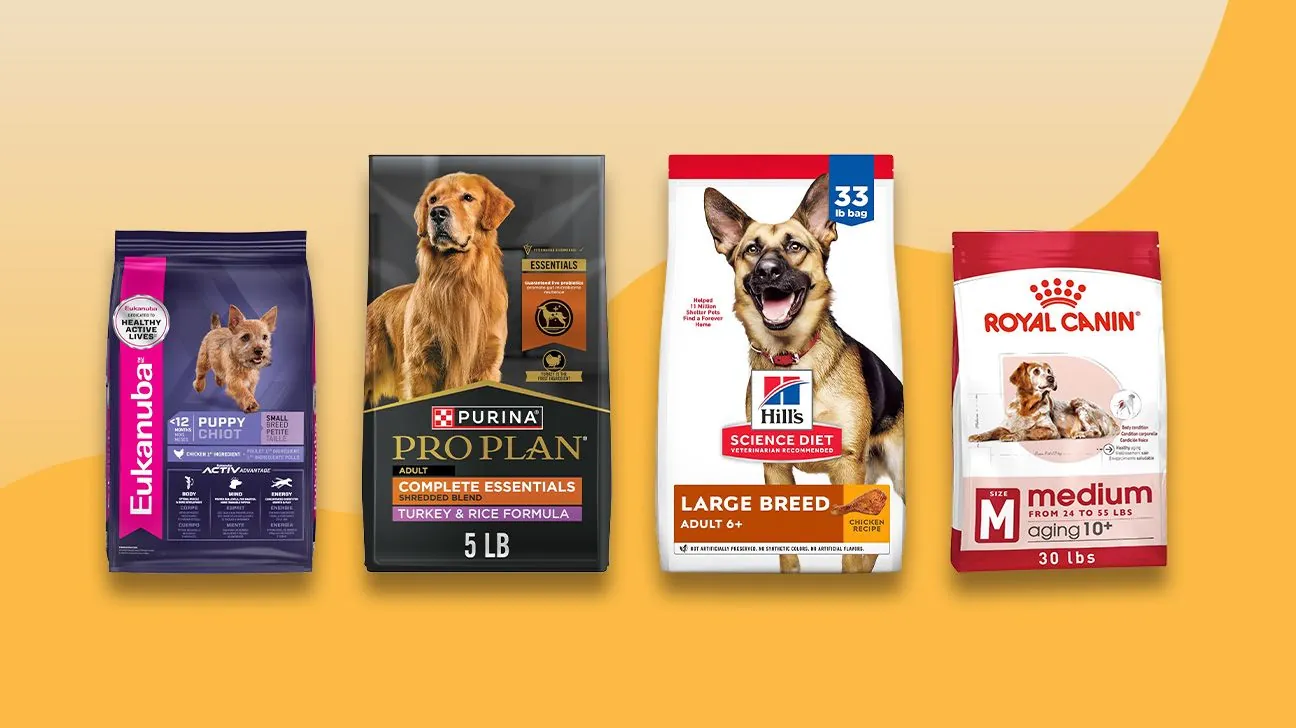
Purina Pro Plan, Hill’s Science Diet, and Royal Canin are reliable dry dog food brands because they conduct AAFCO feeding trials. Your dog’s age, size, and health status matter more than the specific label on the bag.
Best dry dog food brands
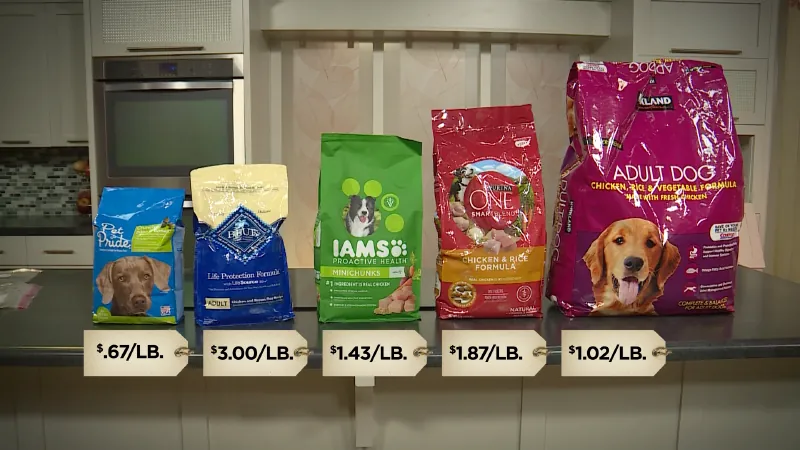
- Purina Pro Plan, Hill’s Science Diet, and Royal Canin complete AAFCO feeding trials for safety.
- Check the label for an AAFCO statement matching your dog’s current life stage.
- Puppies need large-breed formulas to prevent rapid bone growth issues.
- Senior dogs often require lower calorie density to maintain healthy weight.
- Grain-inclusive diets are safer unless a vet diagnoses a specific allergy.
- Transition foods over seven days to avoid digestive upset or refusal.
Why feeding trials matter
Feeding trials prove a diet actually nourishes dogs rather than just meeting nutrient profiles on paper. Formulation alone doesn’t guarantee bioavailability, so brands like Purina Pro Plan test their recipes on real animals to confirm adequacy. This step catches absorption issues that laboratory analysis misses entirely.
The AAFCO feeding trial protocols remain the gold standard for validating nutritional claims in commercial pet food. Without this testing, manufacturers rely solely on chemical analysis, which can’t predict how well a dog utilizes those nutrients. You’ll find the required statement printed directly on the packaging near the guaranteed analysis.
Brands skipping these trials may still be nutritious, but you’re accepting unverified risk with your pet’s health. The cost difference between tested and untested options rarely justifies gambling on long-term nutrition. Stick with companies publishing actual trial results for the specific formula you buy.
When standard brands don’t work
| Situation | What changes | What to do instead |
|---|---|---|
| Food allergy diagnosed | Standard proteins trigger reactions | Use veterinary hydrolyzed protein diet |
| Kidney disease present | Normal phosphorus levels cause harm | Switch to prescription renal support formula |
| Large breed puppy | Regular food causes joint damage | Feed large-breed puppy specific formula |
| Obesity management needed | Maintenance calories prevent loss | Use therapeutic metabolic weight diet |
| Pancreatitis history | Normal fat content triggers flare-ups | Select ultra-low fat gastrointestinal diet |
| Urinary crystals found | Standard minerals worsen condition | Feed urinary care prescription diet |
Choosing the right formula safely
- Read the AAFCO statement first to confirm it matches your dog’s exact life stage.
- Match calorie density to activity level using the feeding guide as a starting point only.
- Verify the manufacturer conducts feeding trials by checking their official website or packaging.
- Avoid grain-free boutique diets unless your veterinarian specifically recommends them for medical reasons.
- Measure portions with a standard cup measure instead of estimating visually each day.
- Monitor body condition score weekly and adjust amounts based on rib visibility.
- Store kibble in original packaging inside an airtight container to preserve freshness.
- Consult your vet before switching if your dog has existing health conditions or medications.
Common dry food selection mistakes
- Ignoring the AAFCO statement leads to nutritional deficiencies that develop slowly over months.
- Choosing grain-free without medical need increases dilated cardiomyopathy risk according to FDA investigations.
- Free-feeding causes obesity because most dogs won’t self-regulate intake properly.
- Switching foods overnight triggers vomiting and diarrhea from sudden microbiome disruption.
- Trusting marketing terms like “premium” over actual feeding trial data wastes money on unproven nutrition.
Frequently asked questions
Is grain-free dry dog food safe?
Grain-free diets aren’t inherently unsafe but carry higher DCM risk according to FDA reports. Only choose them if your vet diagnoses a true grain allergy, which affects fewer than 1% of dogs. Most pets thrive on grain-inclusive formulas with proven feeding trials.
How much dry food should I feed daily?
Feeding guides on bags provide starting points assuming average activity and metabolism. Adjust portions based on your dog’s body condition score, not just weight. Active dogs may need 20-30% more, while seniors often require less to prevent obesity.
Can puppies eat adult dry dog food?
No, puppies require higher calcium, phosphorus, and calorie density for proper development. Adult food lacks these critical nutrients and can cause permanent skeletal deformities. Always feed a formula labeled specifically for growth or all life stages until maturity.
Does expensive dry dog food mean better quality?
Price doesn’t correlate directly with nutritional adequacy or safety testing. Mid-range brands conducting AAFCO feeding trials often outperform expensive boutique options lacking validation. Focus on feeding trial completion and appropriate formulation rather than marketing claims or premium pricing.
How long does opened dry dog food last?
Opened kibble stays fresh for about one month when stored properly in original packaging. Oxidation degrades fats and vitamins after exposure to air and light. Discard any food smelling rancid or showing mold, regardless of the printed expiration date.
Are raw or fresh diets better than dry food?
Raw diets carry Salmonella and Listeria risks without proven nutritional superiority over cooked kibble. Fresh options may offer palatability benefits but lack extensive feeding trial data. Dry food remains the safest, most validated option for complete nutrition according to veterinary nutritionists.
What happens if my dog eats the wrong life stage food?
Short-term consumption rarely causes immediate harm, but prolonged mismatches create problems. Puppies fed adult food risk developmental bone diseases, while adults eating puppy food gain excess weight. Correct the diet promptly and monitor for any clinical signs requiring veterinary attention.
Conclusion
Your dog’s individual response ultimately determines whether any brand works, since genetics and gut microbiomes vary significantly between animals. Track stool quality, energy levels, and coat condition over several weeks rather than judging by ingredients alone. The best choice is the one your specific dog thrives on consistently.