
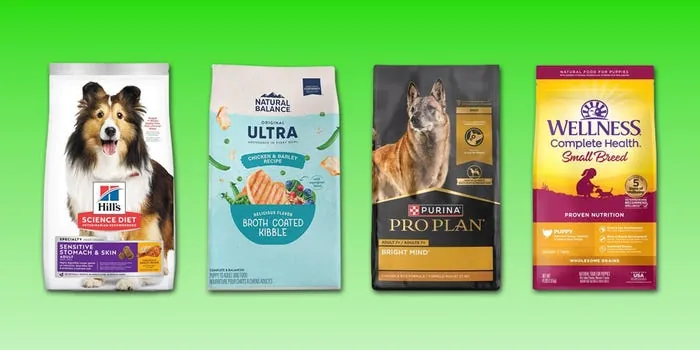
Brands like Purina Pro Plan, Hill’s Science Diet and Royal Canin are safe choices because they meet AAFCO nutrient profiles. The safest brand of dog food changes with your dog’s life stage. A puppy needs a different formula than an older dog.
Safe dog food brands at a glance
- Purina Pro Plan, Hill’s Science Diet and Royal Canin run feeding trials on their recipes.
- Check the bag for an AAFCO statement matching your dog’s age, size or condition.
- Puppies need food labeled for growth; adults need one marked for maintenance.
- If your dog has allergies, switch to a limited-ingredient line from the same maker.
- Dry kibble keeps longer in the bowl than wet food, but canned food adds moisture.
- Read the recall history on the FDA’s site before you buy a new bag.
Why some brands stay off the recall list
A company that runs its own feeding trials catches problems before bags hit store shelves. Brands like Hill’s and Purina test recipes on real dogs over months. They measure weight, blood work and digestion instead of guessing from a spreadsheet.
That testing costs money, which is why premium bags cost more. You’re paying for proof the food actually works in a living animal. Budget brands often skip this step and rely only on paper formulas.
The FDA tracks pet food recalls so you can check any brand’s history yourself. A clean record there means the factory caught issues early. One recall doesn’t ruin a brand if they fixed the cause fast.
You can read the exact nutrient minimums your dog needs on your bag’s AAFCO statement.
When the usual picks don’t fit
One bag doesn’t cover every dog. Health conditions, age and size change what your pet actually needs from dinner.
| Situation | What changes | What to do instead |
|---|---|---|
| Large breed puppy | Fast growth hurts joints | Buy large-breed puppy formula |
| Kidney disease | Needs less phosphorus | Ask vet for prescription diet |
| Chicken allergy | Itching or stomach upset | Switch to fish or lamb recipe |
| Overweight dog | Standard portions add fat | Use a weight-management formula |
| Senior dog over 7 | Slower metabolism | Pick senior-labeled food |
If your dog has a diagnosed illness, stick to veterinary diets from Royal Canin or Hill’s. For a healthy adult without allergies, a standard commercial formula from any tested brand works fine.
How to pick the right bag
- Find the AAFCO statement on the back to confirm it fits your dog’s current life stage.
- Choose a brand like Purina Pro Plan that lists actual feeding trials, not just formulation.
- Match the calorie count to your dog’s weight using the feeding chart printed on the bag.
- If your dog weighs under 20 pounds, buy small-breed kibble so they can chew it easily.
- Transition slowly over seven days, mixing 25% new food with 75% old food first.
- Increase the new portion by 25% every two days until the bowl holds only fresh food.
- Weigh your dog after two weeks on the new diet to confirm they aren’t gaining fat.
- Store dry bags in a sealed container away from sunlight to keep fats from going rancid.
Things that spoil a good choice
- The FDA has identified a potential association between certain grain-free diets and canine dilated cardiomyopathy.
- Ignoring the calorie guide on the bag leads to weight gain, even when the brand itself is perfectly fine.
- Leaving wet food out past two hours lets bacteria multiply quickly in a warm kitchen.
- Mixing raw meat diets with commercial kibble raises bacterial contamination risks.
- Switching brands overnight causes diarrhea because gut bacteria need several days to adjust to new ingredients.
Frequently asked questions
Is grain-free dog food safer?
No, grain-free isn’t automatically safer. The FDA found a link between certain grain-free diets and canine dilated cardiomyopathy. Unless your vet confirms a true grain allergy, stick to standard recipes that include rice or oats.
Can I trust boutique dog food brands?
Sometimes, but check their testing methods first. Smaller brands rarely run full feeding trials. Look for an AAFCO statement saying the food was “animal-tested” rather than just formulated to meet a profile.
How long does dry dog food last?
Unopened bags stay fresh for 12 to 18 months depending on the manufacturer’s date stamp. Once opened, use the kibble within six weeks. Keep it in the original bag inside an airtight container to slow fat oxidation.
Does expensive mean safer?
Not always, but higher prices usually fund feeding trials and stricter quality control. Budget foods can still be safe if they carry an AAFCO statement backed by testing. Price alone doesn’t guarantee better nutrition.
What happens if my dog eats recalled food?
Watch for vomiting, diarrhea or lethargy within 24 to 48 hours. Stop feeding the bag immediately and call your vet if symptoms appear. Keep the packaging and lot numbers handy for reporting to the manufacturer.
Why did my dog get sick after switching brands?
Sudden changes disrupt gut bacteria, causing loose stools or vomiting. Always mix old and new food over seven days. If sickness continues past the transition week, the new recipe might contain an ingredient your dog can’t tolerate.
Are raw diets safer than kibble?
No, raw diets carry higher Salmonella and Listeria risks for both dogs and people handling the meat. The CDC warns against feeding raw meat in homes with children or immunocompromised adults. Cooked commercial diets eliminate those pathogens.
Does the country of manufacture matter?
Yes, facilities in countries with strict regulations follow tighter safety rules. Foods made in the US, Canada or EU must meet local safety standards. Check the bag’s origin statement if manufacturing location concerns you.
Conclusion
Picking a safe food comes down to reading labels, not trusting marketing. Stick to companies that test their recipes on real animals, match the formula to your dog’s life stage, and keep a clean recall history. Your vet can narrow the options further if your pet has specific health needs.