
Purina Pro Plan and Hill’s Science Diet are considered the safest dog food brands because they run AAFCO feeding trials and own their manufacturing plants. Both employ full-time veterinary nutritionists and maintain strict quality-control testing.
What separates a safe bag from a risky one isn’t the ingredient list. It’s whether the company feeds the finished recipe to real dogs in controlled trials.
How to check if a dog food is safe
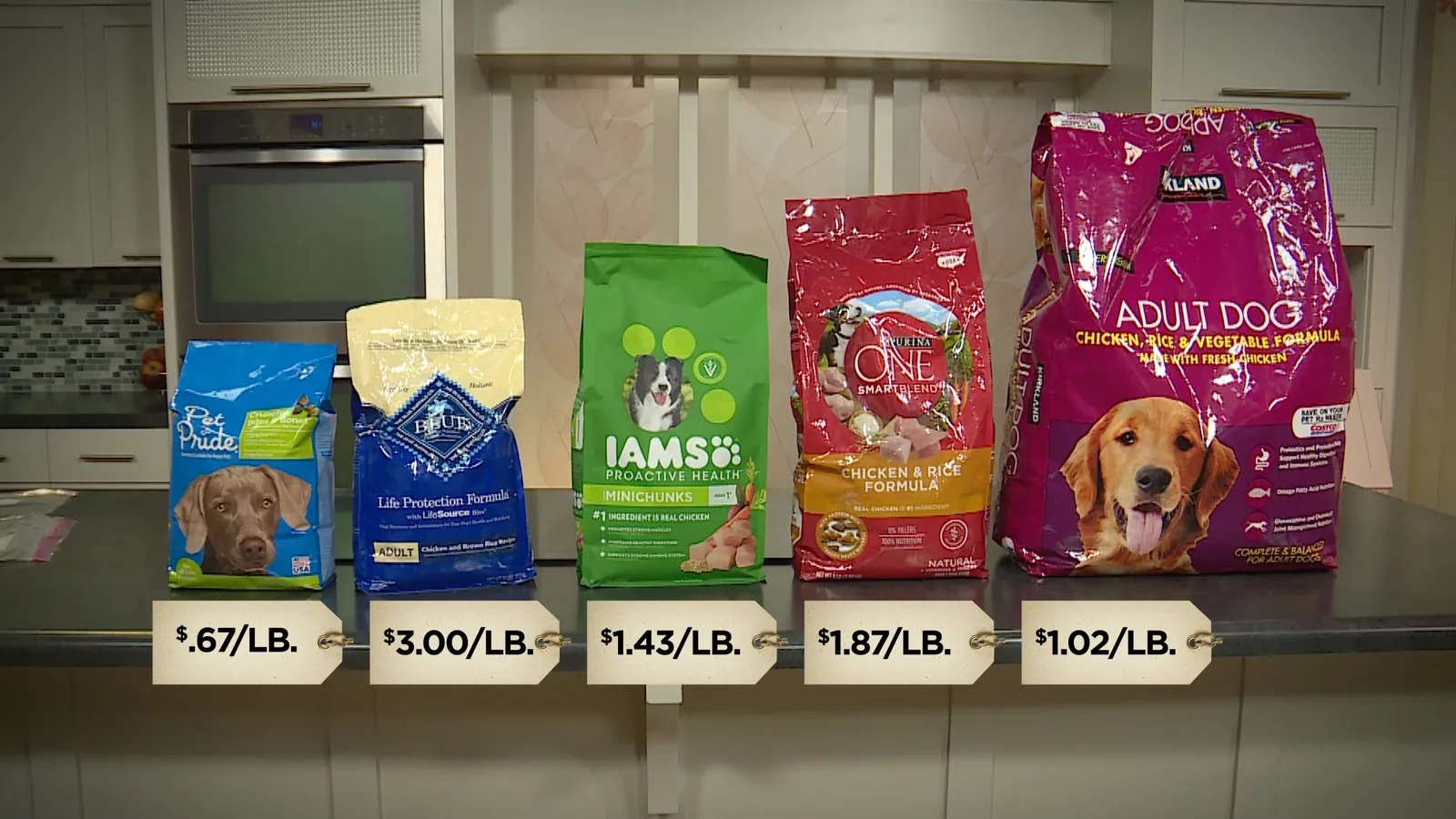
These steps let you verify any bag on the shelf.
- Find the AAFCO nutritional adequacy statement on the back of the bag. Foods validated through animal feeding trials offer an additional layer of assurance beyond those simply formulated to meet nutrient profiles.
- Look for a named veterinary nutritionist on the company’s website. Brands like Royal Canin and Hill’s list their board-certified staff publicly. If you can’t find one, skip that brand.
- Check who owns the manufacturing plant. Companies that make their own food control contamination better than those renting space in shared factories.
- Search the FDA’s pet food recall database for the brand name over the last five years. One old recall isn’t a dealbreaker, but repeated ones are.
- Match the food’s life-stage label to your dog. If your dog is still young, buy a formula labeled for growth or all life stages; if your dog is an adult, use a maintenance formula.
- Buy the smallest bag first. Feed it for two weeks before committing to bulk sizes.
Tip: Don’t trust “human-grade” marketing terms without checking the AAFCO statement. That phrase doesn’t guarantee nutritional safety.
If your dog has a diagnosed medical condition like kidney disease, stop here. Prescription diets require a veterinarian’s guidance, and the wrong protein level can cause harm.
How long switching dog food takes
A sudden swap causes stomach upset, so transition over 7 to 10 days. These times assume a healthy adult dog on standard kibble. Puppies or sensitive dogs often need up to 14 days.
| Situation | How long | What changes it | What to watch for |
|---|---|---|---|
| Healthy adult dog | 7-10 days | Kibble size and protein source | Soft stool lasting more than two days |
| Puppy under one year | 10-14 days | Higher fat content in new food | Vomiting or refusal to eat |
| Senior dog over seven years | 10-14 days | Lower calorie density needed | Weight loss or lethargy |
| Dog with known allergies | 14-21 days | Novel proteins take longer to adjust | Itching, ear infections, or red skin |
If loose stools continue, revert to old food for three days and halve the transition speed.
Signs the dog food is working well
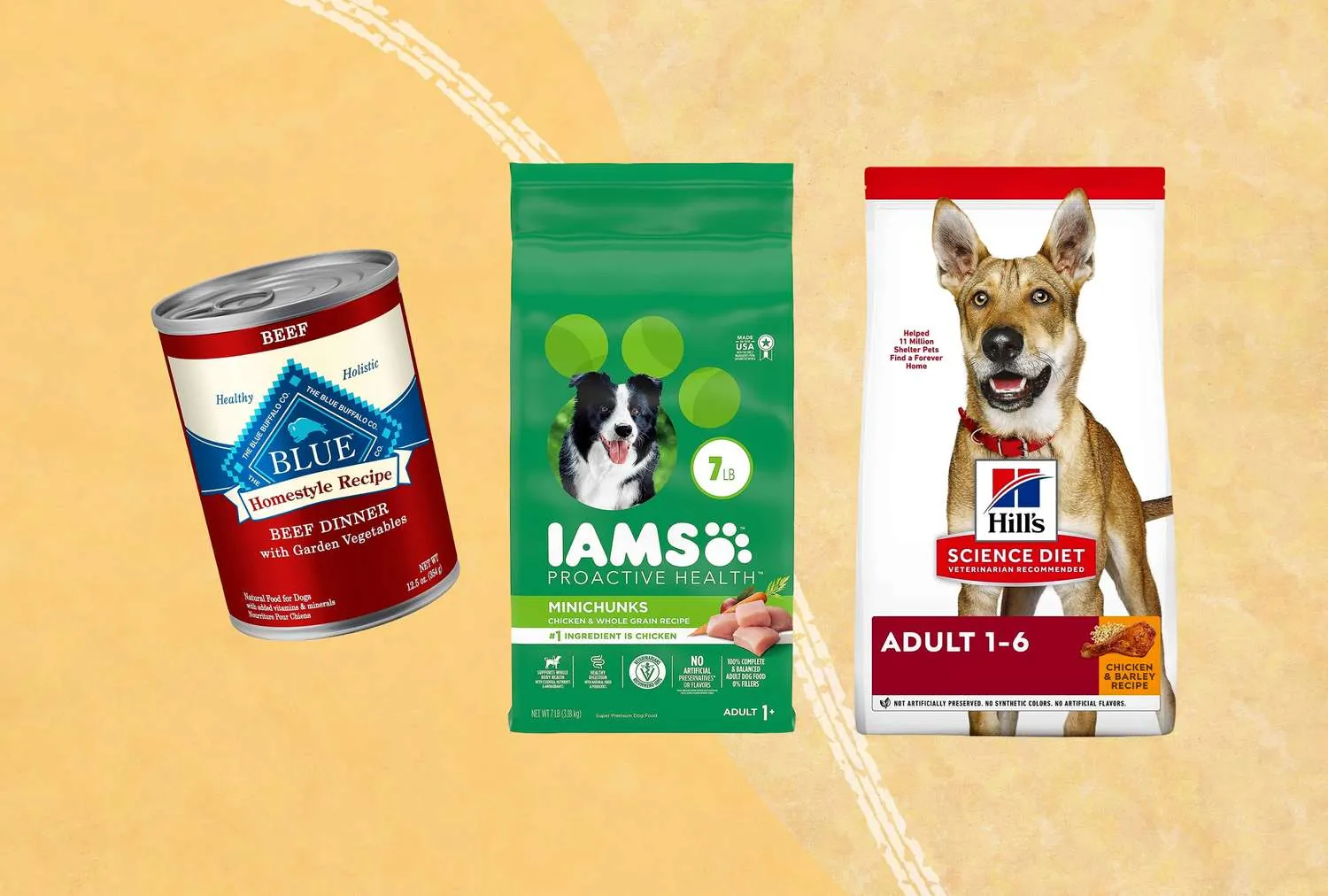
You won’t see results on day one. Give a new diet at least four weeks before judging it.
The clearest sign is firm, consistent stool that your dog passes once or twice daily. Their coat should feel smooth, not greasy or flaky, and shedding shouldn’t increase. Energy levels stay steady between meals.
If the stool turns soft while the coat looks great, the signs disagree. In that case, trust the digestion first. Stool quality reflects nutrient absorption, which matters more than cosmetic changes.
Bagged dog food mistakes that cost you
- Buying grain-free without a vet’s reason. The FDA has investigated a link between certain grain-free diets containing peas or lentils and canine dilated cardiomyopathy. Stick to grain-inclusive formulas unless your vet diagnoses a specific grain allergy.
- Storing kibble in open bins. Fat goes rancid when exposed to air, destroying vitamins and causing stomach issues. Keep the food in its original bag, folded tight inside an airtight container.
- Feeding puppy food to adult dogs. Growth formulas carry extra calcium and calories that growing puppies need, but feeding them to adult dogs can lead to obesity and unnecessary joint stress over time. Switch to an adult maintenance diet once your dog stops growing.
- Ignoring batch codes during recalls. Recalls target specific production runs, not entire brands forever. Write the lot number on your calendar when you open a bag so you can check it quickly if news breaks.
Frequently asked questions
Is Blue Buffalo a safe dog food?
Yes, it meets AAFCO nutrient standards and is widely sold. However, it hasn’t historically published as many peer-reviewed feeding trials as Hill’s or Purina. Check their current recall history directly on the FDA website before buying.
Why do vets recommend Royal Canin?
Vets recommend it because the company employs veterinary nutritionists and runs clinical feeding trials. They also manufacture specific prescription formulas used in veterinary hospitals.
How long does dry dog food last opened?
An opened bag of dry kibble stays fresh for about 6 weeks if stored correctly. After 6 weeks, the fats oxidize and vitamins degrade significantly.
Can I mix two different dog food brands?
Yes, you can mix them if both carry an AAFCO statement for the same life stage. Mixing a puppy food with an adult food throws off the calcium balance. Introduce the second brand slowly over seven days.
What happens if my dog eats recalled food?
Watch for vomiting, diarrhea, or lethargy within 48 hours. Stop feeding the recalled batch immediately and contact your veterinarian. Bring the bag’s lot number and expiration date to the appointment so they can report it.
Is raw dog food safer than kibble?
No, raw food carries higher bacterial risks like Salmonella for both dogs and humans handling it. The CDC advises against raw pet diets due to contamination risks. Commercially cooked kibble eliminates most of these pathogens during the extrusion process.
Conclusion
Picking the right food comes down to verifying the company’s testing methods, not reading marketing buzzwords on the front of the bag. Take ten minutes to check the AAFCO statement, look up the manufacturer, and match the life stage to your dog. That short routine protects your dog far better than any expensive ingredient list ever could.