
No single food brand is best for every dog. The right choice meets nutrient profiles for your dog’s specific life stage and passes feeding trials.
Skipping the AAFCO statement is the most common error. Without that line confirming complete nutrition for your dog’s life stage, even expensive food might miss essential nutrients.
Picking the best food brand for your dogs
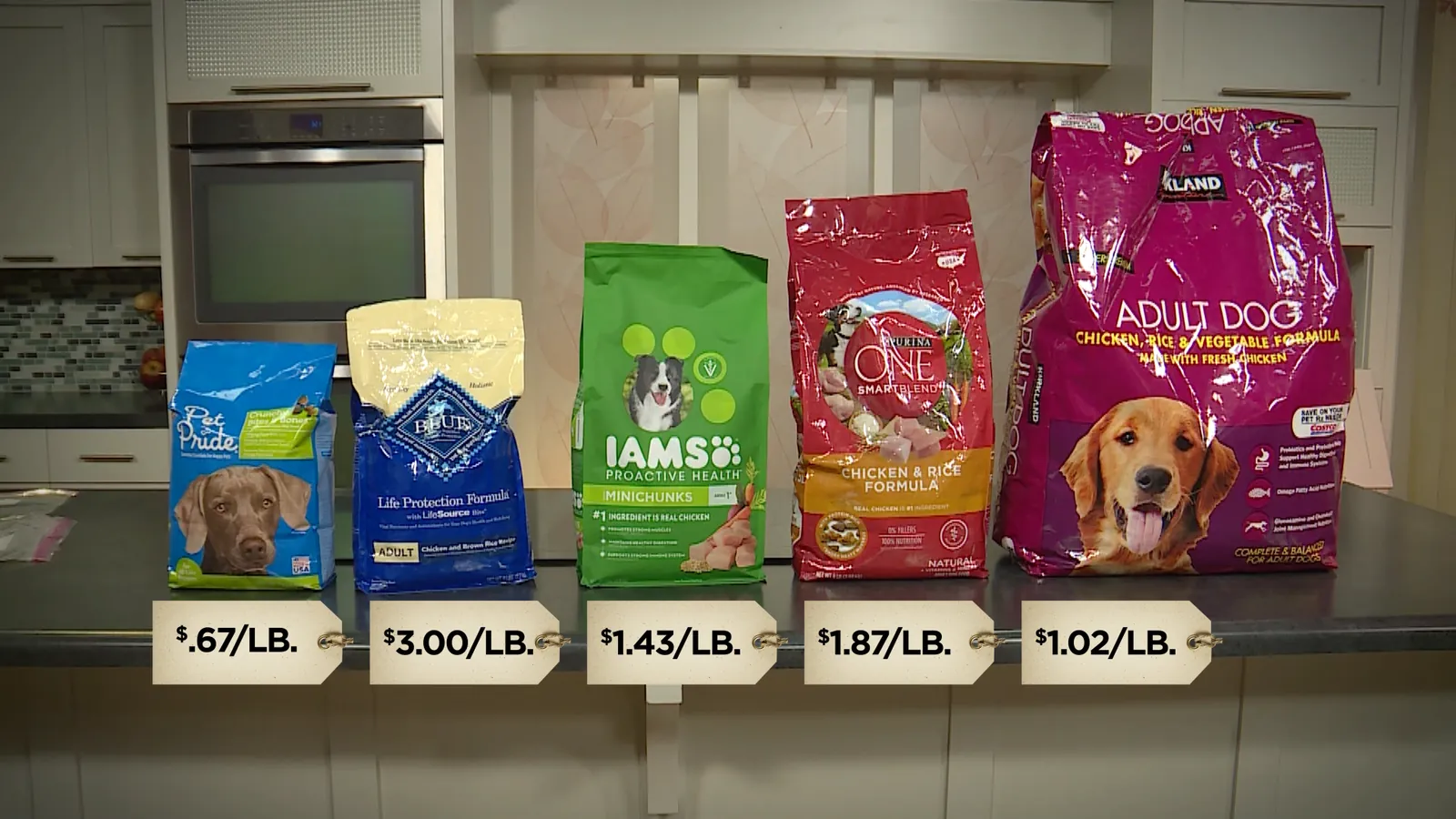
Finding the correct formula requires checking three specific things on every bag. These regulatory markers tell you if the food actually supports your dog’s current biological needs.
- Match the AAFCO statement to your dog’s current life stage exactly. Puppies need growth formulas, adults need maintenance, and seniors often benefit from joint support; feeding the wrong stage risks nutrient deficiencies or excesses over time.
- Verify the food passed feeding trials, not just formulation. Look for “animal feeding tests using AAFCO procedures” on the label, as this confirms real dogs ate it safely, unlike foods that only meet nutrient profiles on paper.
- Check the guaranteed analysis for protein and fat minimums. Adult maintenance requires at least 18% crude protein and 5.5% fat per AAFCO nutrient profiles, but active dogs typically need higher levels to maintain muscle mass and energy.
- Confirm the manufacturer’s contact information is clearly visible. Reputable companies list a phone number or website for questions, and you should be able to reach them easily if your dog has a reaction or you need batch testing data.
- Transition slowly over seven days when switching brands. Mix 25% new food with 75% old food for two days, then increase gradually; rushing this causes digestive upset that owners often blame on the new food itself.
Tip: If your dog has diagnosed allergies or kidney disease, skip general recommendations entirely and ask your veterinarian for a prescription diet referral instead.
Dog food selection timeline
The time needed to find suitable dog food depends entirely on your dog’s health complexity and how many options you must test.
| Situation | How long | What changes it | What to watch for |
|---|---|---|---|
| Healthy adult dog | 1–2 weeks | Brand availability locally | Stool consistency during transition |
| Puppy or senior | 2–3 weeks | Life-stage formula options | Growth rate or energy levels |
| Known food sensitivity | 8–12 weeks | Elimination diet protocol | Itching, ear infections, vomiting |
| Multiple health conditions | 3+ months | Veterinary prescription needs | Blood work results and weight |
If selection takes longer than these ranges, consult a board-certified veterinary nutritionist rather than continuing trial-and-error at home.
Signs your dog food works
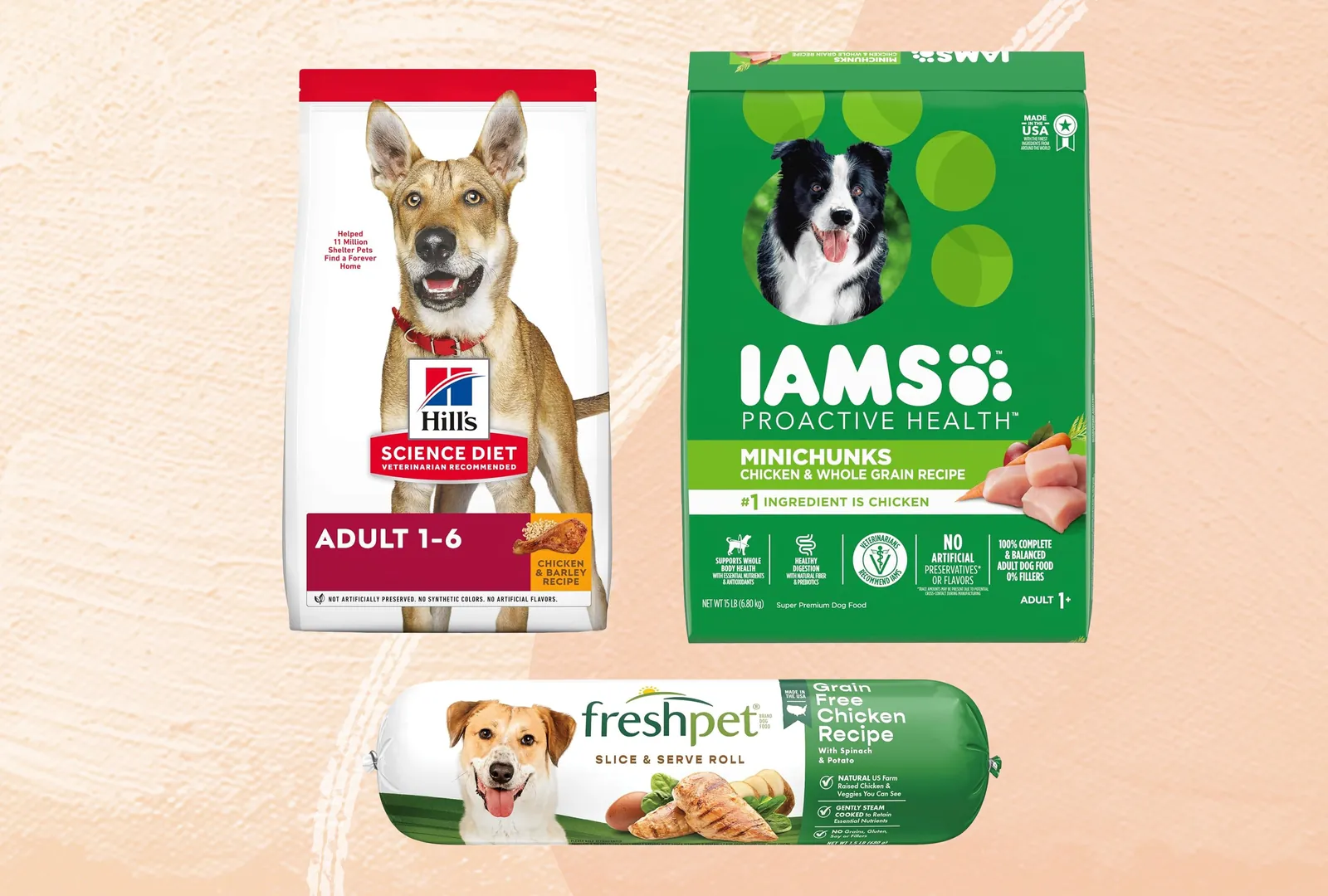
You’ll know the food suits your dog within four to six weeks through observable physical markers, not marketing promises.
Healthy digestion shows as firm, well-formed stools daily without straining, diarrhea, or excessive gas. Coat quality improves noticeably with reduced shedding and softer fur, while skin stays free of redness, hot spots, or chronic itching.
Energy levels remain steady throughout the day without hyperactivity spikes or lethargy after meals. Your dog maintains ideal body condition where ribs are palpable but not visible, according to World Small Animal Veterinary Association body condition scoring guidelines.
Common dog food selection errors

- Ignoring calorie density. High-calorie foods cause rapid weight gain in low-activity dogs even at recommended serving sizes. Calculate your dog’s resting energy requirement and adjust portions based on actual body condition, not bag guidelines designed for average activity levels.
- Choosing by ingredient list position. Meat listed first doesn’t guarantee better nutrition than meat meal listed second, since fresh meat contains water weight that disappears during processing. Focus on guaranteed analysis percentages and AAFCO feeding trial results instead of ingredient order.
- Switching foods too frequently. Constantly rotating brands prevents you from identifying true food intolerances and disrupts gut microbiome stability. Commit to one formula for at least eight weeks before judging effectiveness, unless severe reactions require immediate veterinary intervention.
- Trusting grain-free marketing. Grain-free diets aren’t inherently healthier and have been linked to dilated cardiomyopathy in some breeds according to FDA investigations. Choose based on your dog’s proven tolerance and nutritional needs, not trending diet philosophies lacking scientific support.
Frequently asked questions
Can I mix two different dog food brands?
Yes, you can mix brands during transitions or to add variety, but both must be appropriate for your dog’s life stage. Mixing unbalanced foods creates nutrient gaps or excesses that neither food alone would cause, so never combine foods intended for different life stages.
Why does my dog have loose stool on new food?
Loose stool usually means the transition was too fast or the formula doesn’t suit your dog’s digestive system. Slow the transition to ten days minimum, and if symptoms persist beyond two weeks at full new food, the formula likely isn’t compatible regardless of quality.
How long until I see results from new dog food?
Visible improvements in coat and energy typically appear within four to six weeks of consistent feeding. Digestive changes show within days, but skin and coat cycles take longer; judging before one month gives misleading results about long-term suitability.
Is grain-free dog food safer than grain-inclusive?
No, grain-free isn’t inherently safer and carries potential heart health risks under ongoing FDA investigation. Most dogs tolerate grains well, and grain allergies are far less common than protein allergies; choose based on individual tolerance, not category assumptions.
What happens if I feed adult food to a puppy?
Puppies fed adult maintenance food risk developmental bone disorders and stunted growth due to insufficient calcium, phosphorus, and calories. Always use food labeled for growth or all life stages until your vet confirms skeletal maturity, typically twelve to eighteen months depending on breed size.
How much should I feed my dog daily?
Daily amounts vary by calorie density, so start with the bag’s chart for your dog’s target weight and adjust weekly based on body condition. Active dogs may need twenty percent more, while sedentary dogs often require fifteen to twenty percent less.
Conclusion
Your dog’s needs will shift as they grow older, so keep an eye on their energy and coat. If something feels off, don’t wait—book a quick visit with your vet. They’ll help you adjust the bowl to match your pup’s changing body.