
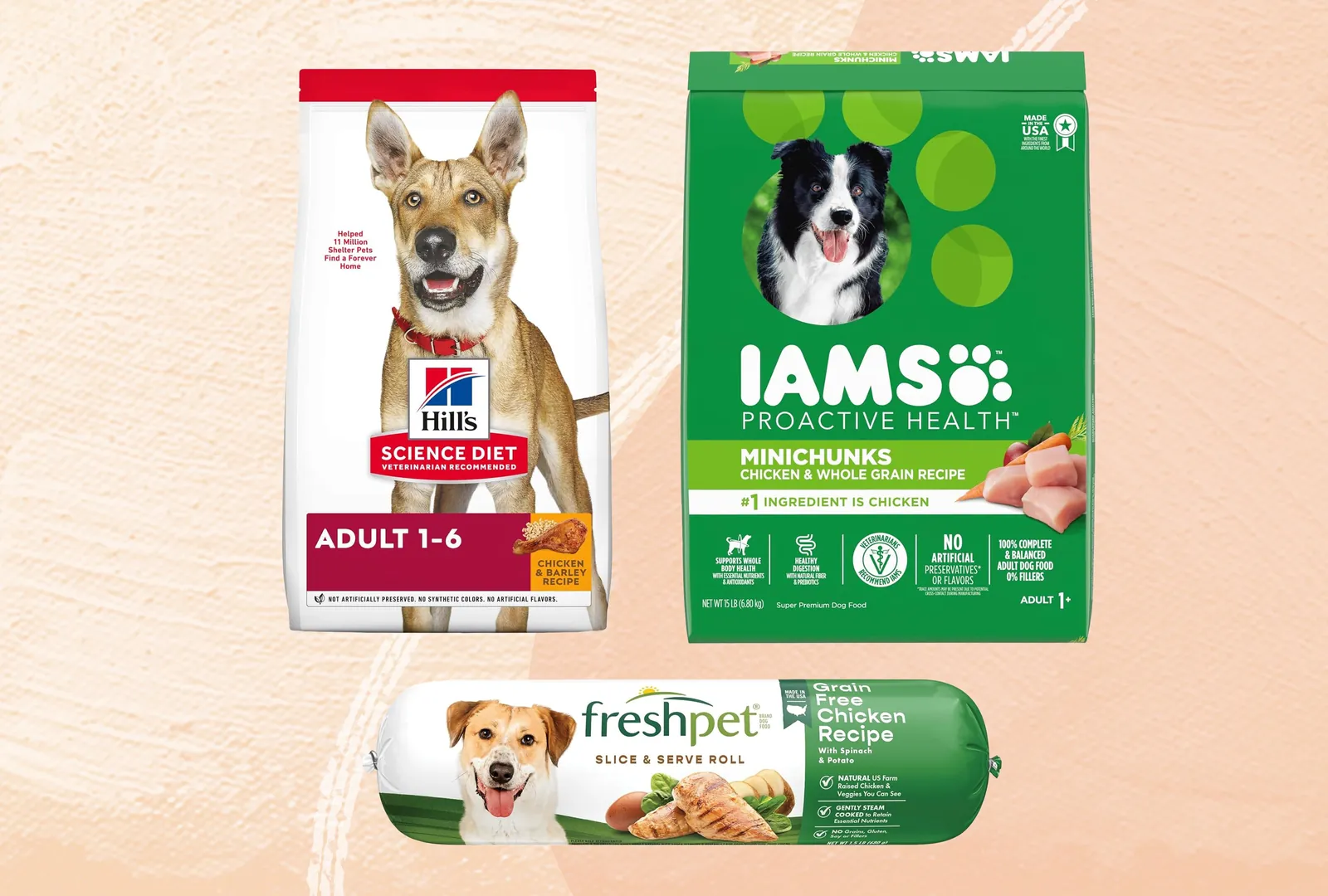
The safest dog food brands are those that formulate their recipes to meet AAFCO nutrient profiles, employ board-certified veterinary nutritionists, and conduct rigorous feeding trials before selling a single bag. Brands like Purina Pro Plan, Hill’s Science Diet, Royal Canin, and Iams consistently meet these strict criteria. Choosing the right food requires looking past marketing claims and focusing on verifiable manufacturing standards and nutritional science.
Key Takeaways
- Prioritize brands that employ full-time board-certified veterinary nutritionists to formulate their recipes.
- Look for an AAFCO nutritional adequacy statement on the packaging to ensure complete and balanced nutrition.
- Choose companies that own their manufacturing plants rather than outsourcing production to third-party facilities.
- Verify that the brand conducts actual feeding trials with live dogs, not just laboratory formulation calculations.
- Check the FDA recall history to evaluate a brand’s long-term quality control and safety record.
What Dog Food Brand Is The Safest?
No single brand is immune to occasional issues, but the safest dog food companies share specific operational traits. They invest heavily in quality control, maintain dedicated research facilities, and publish peer-reviewed studies about their diets. Safety is built through consistent testing protocols rather than relying on trendy ingredients.
| Brand | Nutritionist Formulated | Owns Manufacturing Plants | Feeding Trials Conducted |
|---|---|---|---|
| Purina Pro Plan | Yes | Yes | Yes |
| Hill’s Science Diet | Yes | Yes | Yes |
| Royal Canin | Yes | Yes | Yes |
| Iams | Yes | Yes | Yes |
Why Veterinary Nutritionists Matter
A recipe created by a pet lover isn’t the same as one designed by a scientist. Veterinary nutritionists hold advanced degrees and specialized board certifications. They understand how nutrients interact during processing and digestion. Brands employing these experts can adjust mineral ratios to prevent urinary stones or balance amino acids for muscle maintenance. Without this expertise, even premium ingredients can create dangerous dietary imbalances over time.
How Do You Read AAFCO Statements?
The Association of American Feed Control Officials sets the nutritional standards for pet food in the United States. An AAFCO statement on the label tells you exactly how the food was validated. You’ll typically see one of two phrases. The first indicates the food was formulated to meet nutrient profiles. The second states the food underwent animal feeding tests using AAFCO procedures. Both are acceptable, but feeding trials provide real-world proof of digestibility and safety.
Are Feeding Trials Really Necessary?
Formulating a diet on paper is only the first step. Feeding trials involve feeding the food to a group of dogs for several months while monitoring their blood work, weight, and overall health. This process catches bioavailability issues that laboratory math can’t predict. A vitamin might look sufficient in a formula but fail to absorb properly in a dog’s digestive tract. Brands conducting these trials catch these hidden flaws before products reach store shelves.
Does Manufacturing Ownership Improve Safety?
Companies that own their factories control every variable, from ingredient sourcing to cooking temperatures. Brands relying on co-packing facilities share production lines with dozens of other labels, increasing cross-contamination risks. When a manufacturer controls its own plant, it implements strict sanitation schedules and dedicated equipment. This direct oversight significantly reduces the chances of bacterial contamination, such as Salmonella or Listeria, entering the final product.
Warning: Boutique brands often market themselves as superior, yet many lack dedicated manufacturing facilities and rely entirely on third-party co-packers.
Checking the FDA Recall History
Every manufacturer makes mistakes, but how they handle them defines their safety culture. The U.S. Food and Drug Administration tracks all pet food recalls. You can review FDA pet food recalls to see which brands have faced repeated violations. A single isolated recall handled swiftly with transparency is less concerning than a pattern of negligence involving multiple contaminants over several years. Consistent safety records matter more than flawless ones.
Should You Avoid Grain-Free Diets?
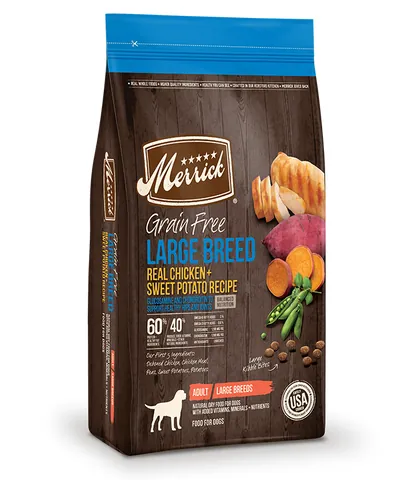
In recent years, the FDA investigated a potential link between certain grain-free diets and canine dilated cardiomyopathy (DCM). These diets frequently substitute grains with peas, lentils, chickpeas, or potatoes. While the exact mechanism remains under study, most veterinary cardiologists now recommend sticking to traditional diets containing grains unless your dog has a diagnosed allergy. Grain-inclusive formulas from established brands remain the most thoroughly researched and historically safe options available today.
| Ingredient Focus | Typical Protein Sources | Carbohydrate Base | DCM Investigation Status |
|---|---|---|---|
| Traditional Grain-Inclusive | Chicken, Beef, Lamb | Rice, Corn, Wheat | Not Implicated |
| Grain-Free Legume-Heavy | Salmon, Bison, Venison | Peas, Lentils, Potatoes | Under Investigation |
What About Raw Food Safety Risks?
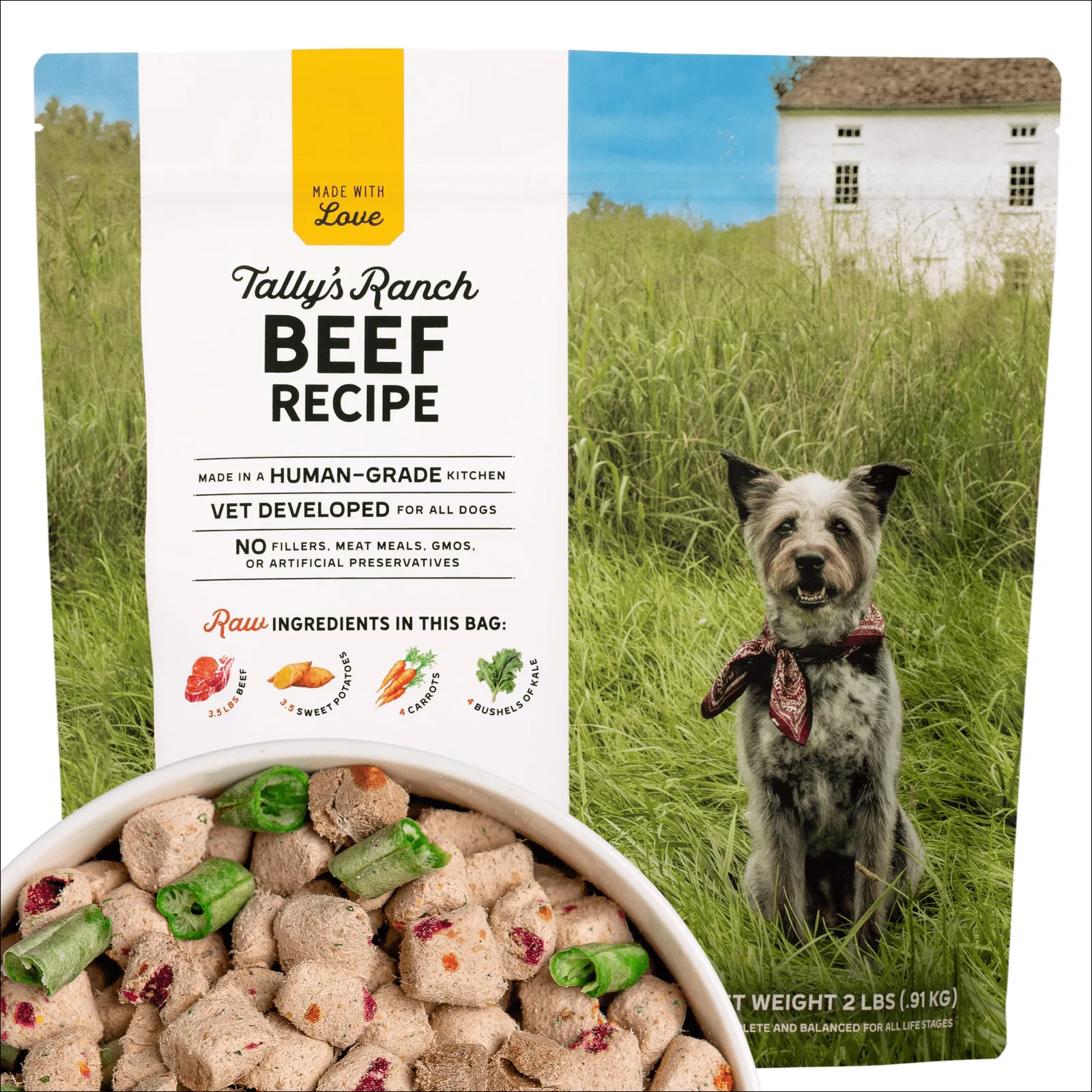
Raw diets carry inherent biological hazards. Handling raw meat exposes both pets and owners to pathogens like E. coli and Salmonella. The American Veterinary Medical Association discourages feeding raw meat due to these documented public health risks. If you choose this route, high-pressure processing (HPP) reduces bacterial loads, but it doesn’t eliminate all risks. Commercially prepared kibble or canned food undergoes thermal processing that effectively destroys harmful bacteria.
Pro Tip: Always wash your hands thoroughly with soap and warm water after handling any type of pet food, including dry kibble.
Evaluating Ingredient Sourcing Transparency
Safe brands clearly state where they obtain their raw materials. Ingredient sourcing should prioritize countries with strict agricultural regulations. Reputable companies avoid sourcing vitamins or minerals from regions known for heavy metal contamination in soil. They test incoming shipments for toxins like aflatoxin before allowing them into the production facility. If a brand refuses to disclose its sourcing standards or testing protocols, consider that silence a significant red flag.
Frequently Asked Questions
Is expensive dog food always safer?
Price doesn’t guarantee safety. Many expensive boutique brands lack veterinary nutritionists and feeding trials. Established mid-range brands often possess far superior quality control infrastructure. Pay for scientific validation and manufacturing standards, not premium marketing packaging.
How often do dog food recalls happen?
Recalls occur periodically across the industry. Major brands with robust testing usually catch issues internally before distribution. Smaller companies may experience proportionally more frequent recalls due to limited quality assurance resources and outsourced manufacturing processes.
Are homemade diets safer than commercial food?
Homemade diets are rarely balanced without professional guidance. Studies show most owner-formulated recipes lack essential nutrients like calcium or zinc. Unless designed by a board-certified veterinary nutritionist, commercial diets are significantly safer and more reliable.
Does organic dog food mean it’s safer?
Organic certification refers to farming practices, not nutritional completeness or pathogen elimination. Organic ingredients can still harbor bacteria if improperly processed. Nutritional safety depends on formulation science and manufacturing controls, regardless of whether ingredients are organic.
Can I trust online reviews for food safety?
Online reviews reflect individual experiences, not scientific safety data. Dogs react differently to various proteins and fiber levels. Rely on veterinary recommendations, AAFCO statements, and company manufacturing credentials rather than anecdotal internet testimonials.
Conclusion
Selecting the safest food means prioritizing science over trends. Review the comparison tables above, check your preferred brand against the FDA database, and schedule a brief consultation with your veterinarian to confirm the chosen diet matches your dog’s specific life stage and health needs.