
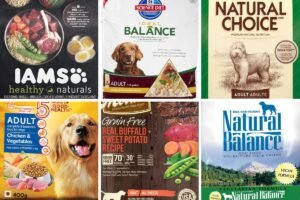
The best brand to feed your dog is one that employs full-time veterinary nutritionists, conducts AAFCO feeding trials, and publishes peer-reviewed research, with top-tier options including Purina Pro Plan, Royal Canin, Hill’s Science Diet, and Iams. These companies consistently meet rigorous scientific standards for nutritional adequacy and safety, unlike many boutique brands relying solely on formulation without biological testing.
Key Takeaways
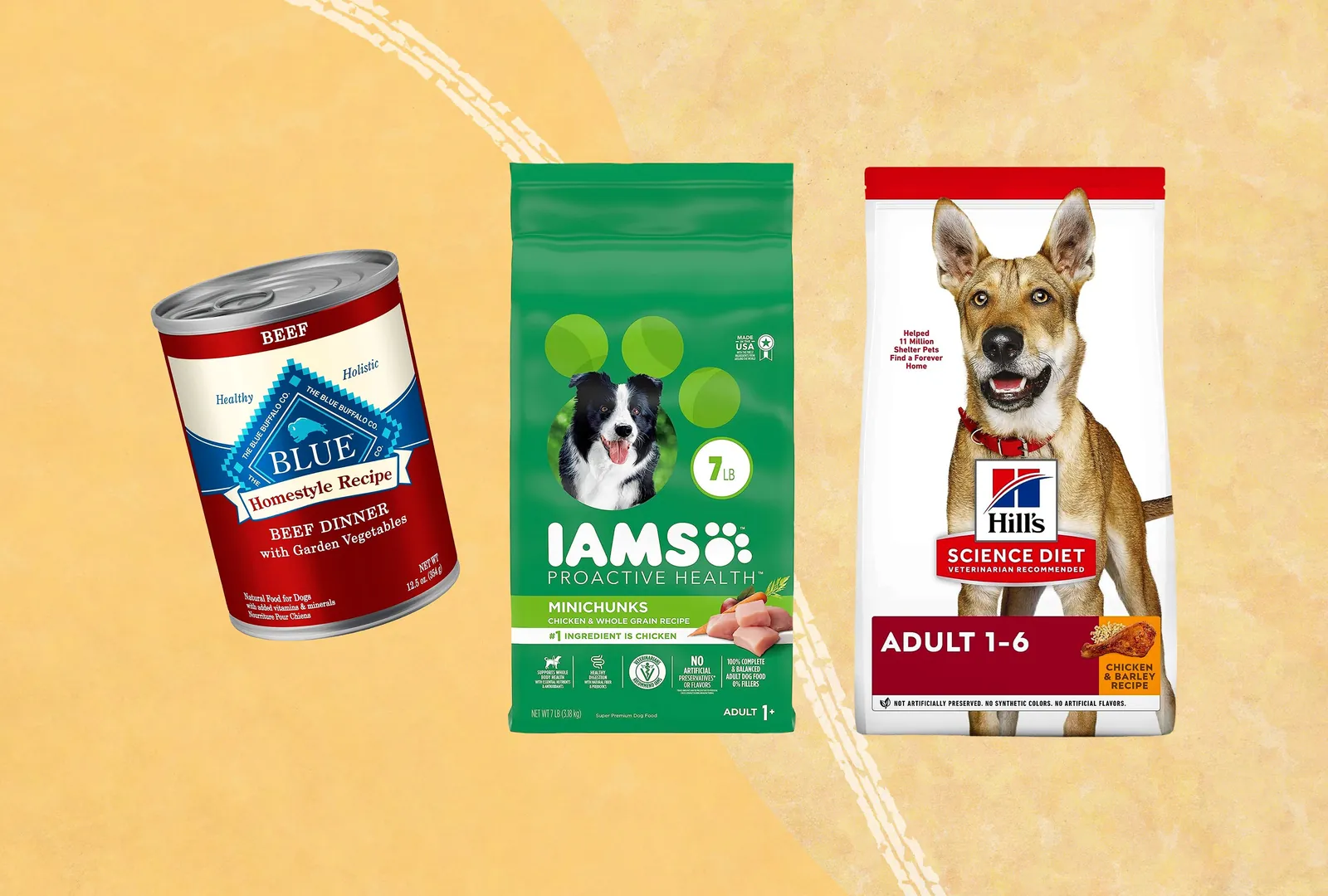
- Prioritize brands employing board-certified veterinary nutritionists who formulate diets based on published science rather than marketing trends or ingredient fads.
- Verify that specific recipes have passed AAFCO feeding trials, which prove actual nutrient absorption and palatability in live dogs over time.
- Avoid brands lacking quality control protocols or those that outsource manufacturing to third-party facilities without direct oversight.
- Select life-stage appropriate formulas matching your dog’s age, size, and health status to prevent developmental or metabolic issues.
- Consult your veterinarian before switching foods to ensure the chosen brand addresses individual medical needs or dietary sensitivities.
- Monitor stool quality and energy levels during transitions as primary indicators of dietary suitability.
What Brand Should I Feed My Dog
Choosing a specific manufacturer requires evaluating their commitment to nutritional science over marketing claims. Reputable companies invest millions in research and employ experts dedicated to canine nutrition. Brands like Purina Pro Plan, Royal Canin, Hill’s Science Diet, and Eukanuba maintain extensive databases of nutrient bioavailability and conduct ongoing safety monitoring.
These manufacturers also participate in global regulatory bodies and frequently update formulations based on emerging veterinary research. Smaller brands may offer appealing ingredients but often lack the infrastructure for consistent quality assurance or long-term safety validation. Always verify that a brand has a dedicated veterinary nutrition team listed on their website or packaging.
Understanding AAFCO Feeding Trials
Feeding trials represent the gold standard for validating dog food safety and efficacy. Unlike simple formulation analysis, these trials involve feeding the diet to actual dogs for six months under controlled conditions. The FDA Center for Veterinary Medicine oversees guidelines ensuring these tests measure real-world outcomes like growth rates, blood parameters, and reproductive success. Only foods passing these trials can claim “complete and balanced” nutrition based on animal testing. Many premium brands skip this expensive step, relying instead on nutrient profiles that don’t guarantee bioavailability. Always check the label statement specifically mentioning feeding trials rather than just formulation compliance.
Trial Versus Formulation
| Validation Method | Description | Reliability Level |
|---|---|---|
| AAFCO Feeding Trial | Live animal testing proving nutrient absorption and health maintenance | Highest Gold Standard |
| Nutrient Profile Analysis | Laboratory calculation matching minimum nutrient requirements | Moderate Baseline Only |
| Computer Modeling | Software prediction of nutrient adequacy without physical testing | Lowest Unverified Estimate |
Evaluating Ingredient Quality Standards

High-quality protein sources matter more than exotic ingredient lists. Established brands use consistent suppliers with audited safety records and test every batch for contaminants like aflatoxins or heavy metals. They avoid vague terms like “meat by-products” without species specification and clearly identify fat sources.
Premium manufacturers also employ digestibility studies to ensure nutrients are actually absorbed, not just present in the formula. Beware of brands emphasizing human-grade or organic labels without corresponding nutritional data, as these marketing terms don’t correlate with superior canine nutrition or safety outcomes.
Matching Life Stage Requirements
Puppies, adults, and seniors have fundamentally different nutritional needs that generic formulas can’t address. Large-breed puppies require precise calcium-to-phosphorus ratios to prevent orthopedic disease, while senior dogs often need adjusted protein levels and joint-supporting nutrients. Reputable brands develop distinct product lines validated through life-stage specific feeding trials. Never feed an all-life-stages formula to a growing large-breed puppy unless explicitly tested for that purpose. Check the AAFCO statement on the bag to confirm the diet supports your dog’s current developmental phase.
Life Stage Nutrient Focus
| Life Stage | Critical Nutrients | Common Deficiency Risk |
|---|---|---|
| Large Breed Puppy | Controlled Calcium/Phosphorus Ratio | Hypertrophic Osteodystrophy |
| Adult Maintenance | Balanced Protein/Fat for Lean Mass | Obesity or Muscle Wasting |
| Senior Geriatric | Joint Support and Cognitive Nutrients | Arthritis Progression or Decline |
Recognizing Red Flags in Marketing
Warning: Terms like “holistic,” “natural,” or “ancestral” have no legal definition in pet food regulation and often signal marketing over substance. Brands making dramatic health claims without peer-reviewed evidence should be viewed skeptically. Avoid companies that demonize common ingredients like corn or grains without scientific justification, as these are highly digestible nutrient sources when properly processed. Transparency about sourcing, manufacturing locations, and quality testing protocols distinguishes legitimate brands from those relying on fear-based marketing tactics.
Transitioning Foods Safely
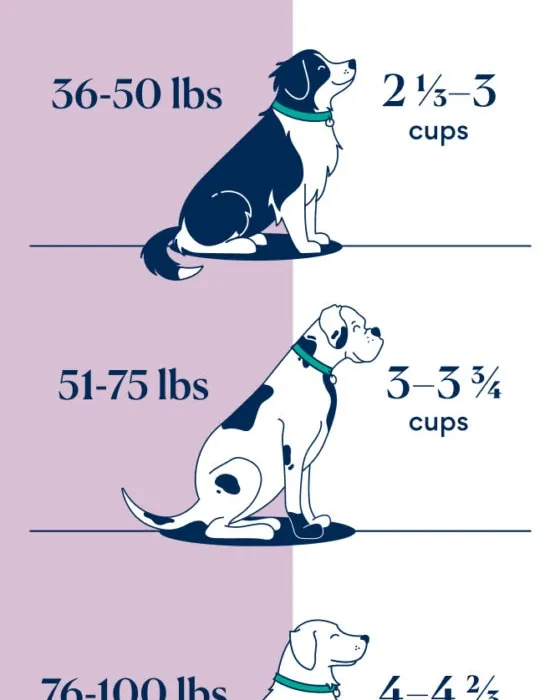
Sudden diet changes frequently cause gastrointestinal upset regardless of food quality. Implement a gradual transition over seven to ten days, mixing increasing amounts of new food with decreasing old food. Monitor stool consistency, appetite, and energy levels throughout this period. If vomiting, diarrhea, or lethargy persists beyond forty-eight hours, revert to the previous diet and consult your veterinarian. Some dogs with sensitive stomachs require prescription hydrolyzed diets or novel protein sources available only through veterinary channels.
Frequently Asked Questions
Is grain-free dog food safer?
No, grain-free diets have been linked to dilated cardiomyopathy in dogs according to FDA investigations. Grains provide valuable nutrients and fiber, and true grain allergies are rare. Choose diets based on nutritional adequacy testing rather than grain avoidance. Most veterinary nutritionists recommend grain-inclusive formulas unless a specific allergy is diagnosed through elimination diet trials.
How much should I budget monthly?
Expect to spend between $40 and $120 monthly for a medium-sized dog on scientifically validated brands. Premium therapeutic diets cost more, while basic maintenance formulas cost less. Price doesn’t always correlate with quality, so prioritize feeding trial validation over marketing premiums. Bulk purchasing and subscription discounts can reduce costs significantly without compromising nutritional standards.
Can I mix multiple brands together?
Mixing brands is generally unnecessary and complicates identifying food intolerances. Each complete diet is formulated to provide balanced nutrition independently. Combining foods risks nutrient imbalances or excesses. If transitioning, mix only temporarily. For variety, rotate flavors within the same brand line to maintain nutritional consistency while providing sensory enrichment safely.
Do raw diets offer superior nutrition?
Raw diets carry significant bacterial contamination risks for both pets and humans without proven nutritional superiority. Major veterinary organizations advise against them due to Salmonella and Listeria concerns. Cooked commercial diets undergo processing that eliminates pathogens while preserving nutrient bioavailability. If pursuing homemade diets, consult a board-certified veterinary nutritionist for balanced formulation guidance.
When should I switch adult food?
Switch when your dog reaches skeletal maturity, typically twelve to eighteen months for large breeds and nine to twelve months for small breeds. Premature transitions risk developmental orthopedic disease. Follow breed-specific growth charts and veterinary guidance rather than arbitrary age milestones. Continue puppy formulas until growth plates close completely.
Conclusion
Consult your veterinarian to select a specific product within recommended brands that matches your dog’s individual health profile, then schedule a follow-up appointment in four weeks to assess body condition score and adjust portions based on actual response.