
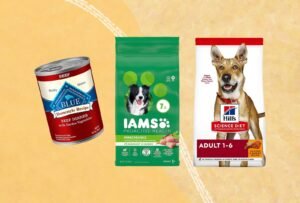
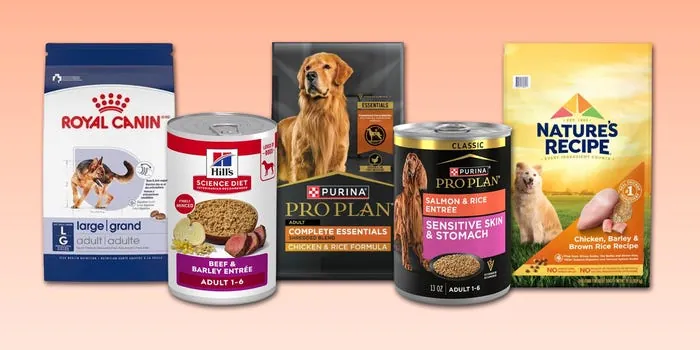
A reliable dog food brand meets the nutrient profiles set by the Association of American Feed Control Officials (AAFCO) and employs full-time veterinary nutritionists. Brands like Purina Pro Plan, Hill’s Science Diet and Royal Canin do this consistently. To find a good dog food brand for your own pet, start with one that lists an AAFCO statement on the bag.
The single thing that decides whether a food works is the AAFCO nutritional adequacy statement printed on the label. It tells you the food is complete for a specific life stage, not just a list of ingredients.
Picking the right dog food brand
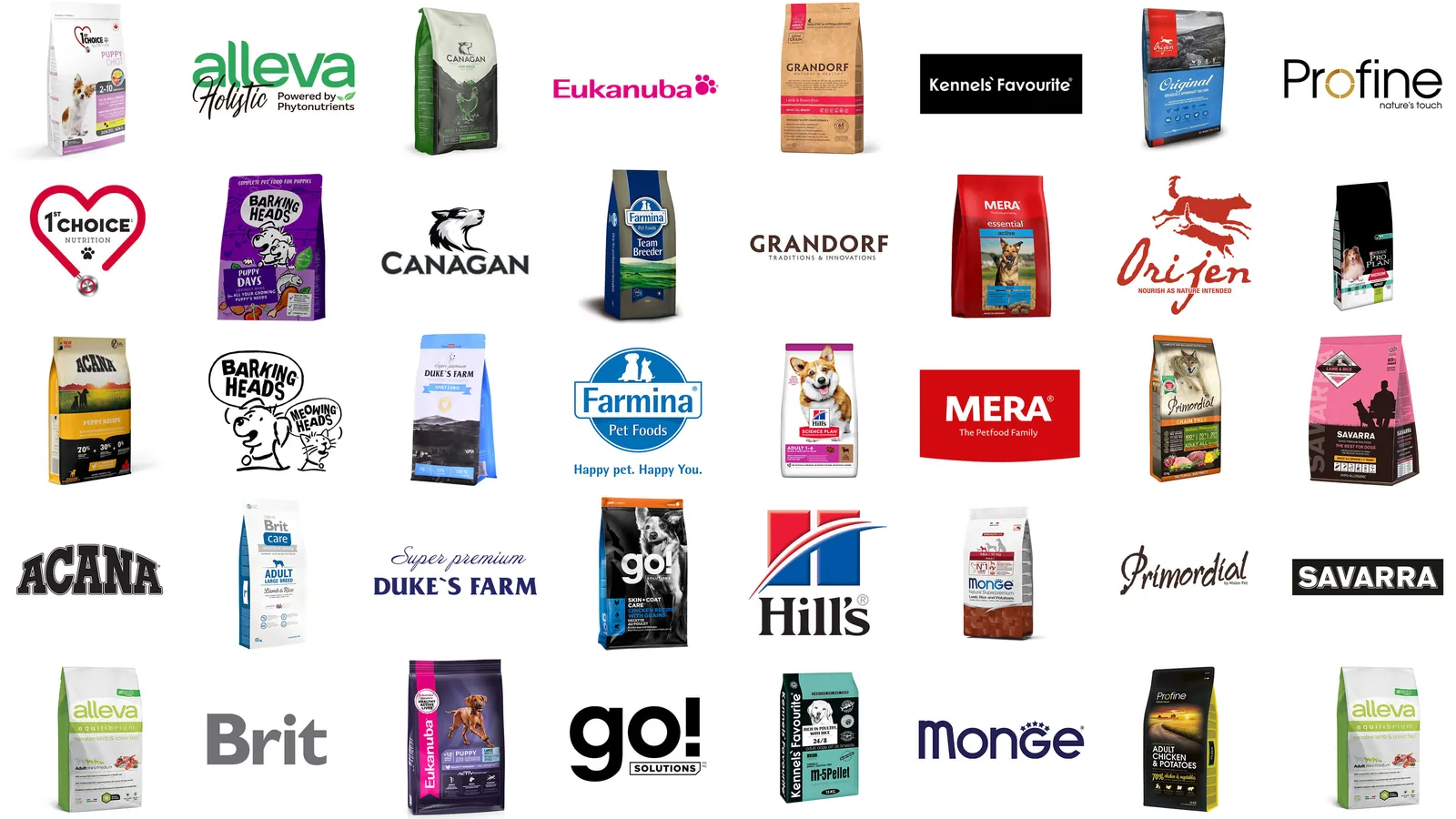
Dogs have different needs based on age, size and health. Choose food built for your specific dog.
- Check the back of the bag for the AAFCO statement. It must say the food provides complete and balanced nutrition for your dog’s specific life stage, such as growth or adult maintenance.
- Match the kibble size and calorie density to your dog’s weight. Feed a small-breed formula to dogs under 20 pounds; use large-breed formulas for dogs over 50 pounds to control how fast their bones grow.
- Look at the guaranteed analysis panel on the label. Adult dogs need at least 18% crude protein and 5.5% crude fat on a dry matter basis, according to AAFCO nutrient profiles.
- Choose a company that employs board-certified veterinary nutritionists and runs feeding trials. Purina, Hill’s and Mars Petcare (which owns Royal Canin) all meet this standard.
- Avoid foods making unproven medical claims unless prescribed by a vet. Therapeutic diets for kidney disease or allergies require professional oversight, so ask your veterinarian before switching to one.
Tip: Don’t switch foods in a single day. Mix 25% of the new food with 75% of the old food for two days, then move to half and half.
Tip: Ignore marketing words like “holistic” or “premium.” They have no legal definition in pet food and don’t guarantee better nutrition.
How long switching dog food takes
Switching diets isn’t instant. Rushing it causes loose stools or vomiting. For puppies or senior dogs with sensitive stomachs, add about three extra days to each phase.
| Situation | How long | What changes it | What to watch for |
|---|---|---|---|
| Healthy adult dog | 7 days | Starting gut health | Firm, normal-colored stools |
| Puppy under 1 year | 10 days | Developing digestive system | Appetite drops or diarrhea |
| Senior dog over 7 years | 10-14 days | Slower metabolism, weaker gut | Refusing meals entirely |
| Dog with past food issues | 14 days | Known sensitivity level | Vomiting or excessive gas |
If soft stools persist after two weeks, stop the transition. Go back to the old food completely and call your vet before trying again.
Signs your dog food is working
You can’t see nutrients absorbing, but you can read your dog’s body. A food that fits your dog shows up in their daily habits within three to four weeks.
Their coat should feel smooth and look shiny without heavy shedding outside of seasonal changes. Energy levels stay steady throughout the day instead of crashing after meals.
The clearest test happens during walks. Stools should be firm, dark brown and easy to pick up without leaving a mess on the grass.
Dog food mistakes that cost money
- Buying grain-free because it sounds healthier. Grain-free diets are linked to dilated cardiomyopathy, a serious heart condition, according to FDA investigations. Stick to grain-inclusive foods unless your vet diagnoses a specific grain allergy.
- Feeding puppy food to an adult dog. Puppy formulas carry extra calories and calcium meant for bone growth. An adult eating them gains unnecessary weight and stresses their joints. Switch to an adult formula at 12 months for small breeds, or 18 to 24 months for giant breeds.
- Ignoring the feeding chart on the bag. Those charts assume an average activity level. If your dog sleeps 20 hours a day, feed 10-20% less than the chart suggests. If they run miles daily, feed slightly more.
- Rotating brands every week. Constant switching prevents you from knowing which food actually agrees with your dog. Pick one formula and stick with it for at least eight weeks before judging the results.
Frequently asked questions
Is it safe to mix two dog food brands?
Yes, you can mix two brands if both carry an AAFCO statement for the same life stage. Keep the total daily calories the same as feeding one food. Mixing a puppy food with an adult food throws off the calcium balance, so never combine different life stages.
Why does my dog eat grass after eating?
Eating grass usually means mild stomach upset, not a missing nutrient. If it happens once a week, the food might be too rich or the portion too large. Try reducing the meal size by 10%. If vomiting follows the grass eating, see your vet.
How much dog food should I feed per day?
For a 30-pound moderately active adult dog, expect to feed roughly 1.5 to 2 cups of dry kibble daily. Read the kcal/cup printed on the bag and follow the weight-based chart on the side.
Can I feed my dog human food instead of kibble?
No, plain human meals lack the exact vitamin and mineral ratios dogs need long-term. If you want to cook for your dog, work with a board-certified veterinary nutritionist to build a complete recipe.
What happens if my dog eats expired dog food?
Expired dry food loses its vitamin potency and the fats turn rancid, which causes stomach upset. Wet food left open in the fridge spoils within three days, regardless of the printed expiration.
How long does an opened bag of dog food last?
An opened bag of dry food stays fresh for about six weeks if sealed tightly. Store it in a cool, dry place inside its original bag rather than a plastic bin.
Conclusion
Your dog’s ideal food depends on their current weight, age and daily activity. No single bag works for every animal. Read the AAFCO statement on the package, measure the portions using a standard kitchen cup, and adjust the amount based on your dog’s body condition score every few weeks.