
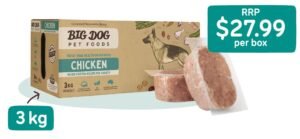
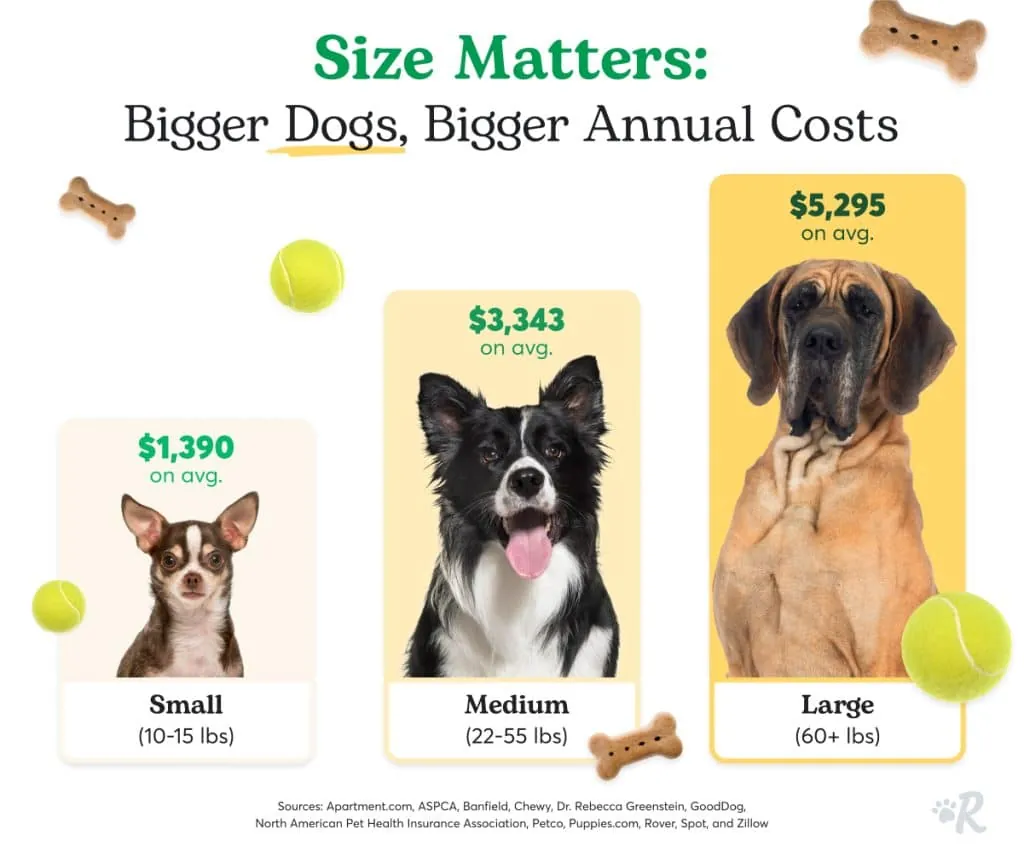
Feeding a big dog costs between $80 and $150 monthly for most owners. The exact amount depends on your dog’s weight, activity level, and whether you choose kibble, wet food, or fresh diets. Premium brands and prescription formulas push this range higher, while bulk buying can lower it.
Big dog feeding cost breakdown
- Standard kibble for 70-90 lb dogs runs $80-$120 monthly.
- Premium or grain-free dry food averages $130-$180 per month.
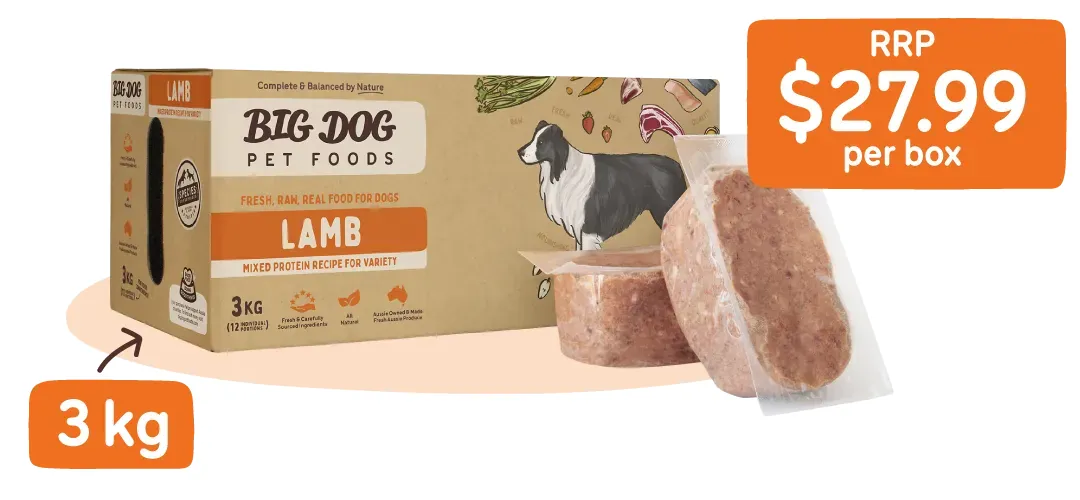
- Fresh or raw diets typically cost $200-$400 monthly for large breeds.
- Prescription veterinary diets often exceed $150 monthly depending on the formula.
- Treats and supplements add $20-$50 to your baseline food budget.
- Check your specific bag’s feeding chart since calorie density varies significantly by brand.
Why size drives food expenses
Big dogs need more calories simply because they have more body mass to maintain. A 70-pound dog requires roughly twice the daily energy of a 35-pound dog, which directly doubles the volume of food consumed each month.
Food quality also shifts the price dramatically within the same weight class. Budget kibble is often less calorie-dense than premium options, meaning you may need to feed a larger volume to meet your dog’s daily caloric requirements. Higher-quality foods with bioavailable proteins satisfy hunger with smaller portions, though the upfront cost per pound is higher. You’ll trade immediate savings for long-term efficiency when choosing between these tiers.
The AAFCO nutrient profiles establish minimum standards, but brands exceeding these baselines charge premiums for testing and sourcing. Your dog’s individual metabolism determines where they fall within any given price tier.
When big dog food costs change
| Situation | What changes | What to do instead |
|---|---|---|
| Puppy under 18 months | Needs growth-formulated food | Buy large-breed puppy formula specifically |
| Senior over 7 years | Lower calorie needs | Switch to senior or weight management diet |
| High activity working dog | Calorie needs increase 20-40% | Use performance or active breed formulas |
| Food allergies diagnosed | Limited ingredient diets cost more | Get vet diagnosis before switching foods |
| Buying in bulk online | Per-pound cost drops 10-15% | Subscribe to auto-delivery for discounts |
| Prescription diet required | Specialized formulas are expensive | Ask vet about therapeutic alternatives |
Calculating your dog’s true food cost
- Weigh your dog accurately using a home scale or vet visit to establish baseline weight.
- Read the feeding chart on your chosen food bag for their specific weight range.
- Adjust portion down 10% for seniors or up 20% for highly active dogs.
- Divide monthly bag price by days it lasts to get true daily cost.
- Track actual consumption for two weeks since charts are starting points only.
- Add treat calories to prevent overfeeding if training frequently throughout the day.
- Recalculate quarterly as weight, age, or activity levels naturally shift over time.
- Compare unit prices across sizes since bigger bags aren’t always cheaper per pound.
Common big dog feeding budget mistakes
- Ignoring calorie density differences between brands leads to buying more food than necessary because cheap kibble requires larger portions to deliver equal nutrition.
- Free-feeding large breeds causes obesity and wasted food since most big dogs won’t self-regulate intake properly without measured meals.
- Switching foods abruptly triggers digestive upset and vomiting, wasting both the old and new food during transition periods.
- Overlooking treat calories creates hidden surplus that forces portion reduction later, making your main food budget appear artificially high.
- Buying the largest bag without checking expiration dates results in spoiled food if your dog doesn’t finish it before rancidity sets in.
Related guides
Frequently asked questions
How much does it cost to feed a Great Dane?
Great Danes typically cost $120-$200 monthly on standard kibble due to their 120-170 pound weight range. Fresh or raw diets for this breed often exceed $350 monthly. Their rapid growth phase as puppies requires specialized large-breed formulas that cost 20-30% more than adult maintenance food.
Can I reduce big dog food costs safely?
Yes, buying larger bags and subscribing to auto-delivery saves 10-15% without compromising nutrition. Avoid switching to cheaper brands with excessive fillers, as you’ll feed more volume and potentially face health issues later. Bulk purchasing works only if your dog finishes the bag before expiration.
Is homemade food cheaper for large dogs?
Homemade diets rarely save money for big dogs and often cost more when balanced properly. Formulating complete nutrition requires veterinary nutritionist consultation and supplement purchases that add significant expense. Most owners spend $250-$400 monthly on correctly balanced homemade meals for 70+ pound dogs.
Does grain-free food cost more for big dogs?
Grain-free formulas typically run 20-40% higher than grain-inclusive options at similar quality tiers. The FDA has investigated potential links between grain-free diets and heart disease in dogs, so consult your veterinarian before choosing based solely on marketing claims rather than medical necessity.
How often should I recalculate my dog’s food budget?
Recalculate every three to four months or whenever your dog’s weight changes by 5% or more. Puppies need monthly adjustments during growth spurts, while seniors may require reductions as metabolism slows. Seasonal activity changes also warrant budget reviews since summer exercise increases caloric needs.
What happens if I underfeed my big dog to save money?
Underfeeding causes muscle loss, weakened immunity, and coat deterioration within weeks. Veterinary bills from malnutrition-related illnesses far exceed any food savings, so choose a lower-cost complete diet rather than reducing portions below AAFCO maintenance requirements.