
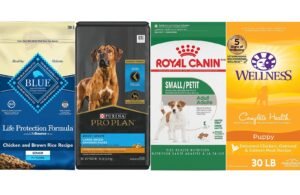
The healthiest option is a diet that meets the nutritional standards set by the Association of American Feed Control Officials, as what is the best dog food depends on your pet’s life stage and specific health needs. Always check the label for a statement confirming the food is complete and balanced for your dog’s age.
High-quality food provides the right mix of proteins, fats, and vitamins to keep your dog active. You should focus on brands that invest in feeding trials rather than just laboratory analysis.
The biggest mistake is switching your dog’s food too quickly. This often leads to an upset stomach or diarrhea. You should introduce new food gradually over a period of seven days to let your dog’s digestive system adjust.
Choosing the Best Dog Food
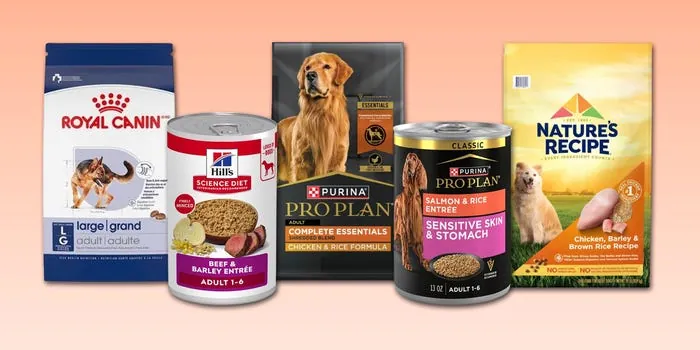
- Check the bag for an AAFCO statement. This ensures the food meets the nutritional requirements for dogs based on life stage.
- Identify your dog’s life stage. Puppy food is higher in calories and nutrients, while senior food often contains joint supplements like glucosamine.
- Mix the old and new food. Start with 25% new food and 75% old food on day one, then increase the new portion by 25% every two days.
- Monitor your dog’s weight. If your dog starts gaining or losing weight unexpectedly, adjust the daily portion size according to the manufacturer’s feeding guide.
- Consult your veterinarian if your dog has allergies. They can recommend specialized diets that exclude common triggers like chicken or grains.
Tip: If your dog refuses to eat the new food, don’t force it. Mix in a small amount of warm water or low-sodium bone broth to make it more appealing.
Feeding Guidelines by Life Stage
| Life Stage | Caloric Density | Feeding Frequency | Primary Focus |
|---|---|---|---|
| Puppy | High | 3–4 times daily | Growth and bone health |
| Adult | Moderate | 1–2 times daily | Weight maintenance |
| Senior | Lower | 1–2 times daily | Joint and organ health |
If your dog is losing weight despite following the feeding guidelines, book an appointment with your vet. This may indicate an underlying health issue that requires a professional diagnosis.
Signs of a Quality Diet
You can tell if a food is working by watching your dog’s physical condition. A healthy dog has a shiny coat, clear eyes, and steady energy levels throughout the day. Their stool should be firm and consistent, which is a primary indicator of good digestion. If you notice dull fur, constant itching, or lethargy, the current food may not be providing the right balance of nutrients for your specific dog.
Common Nutritional Errors
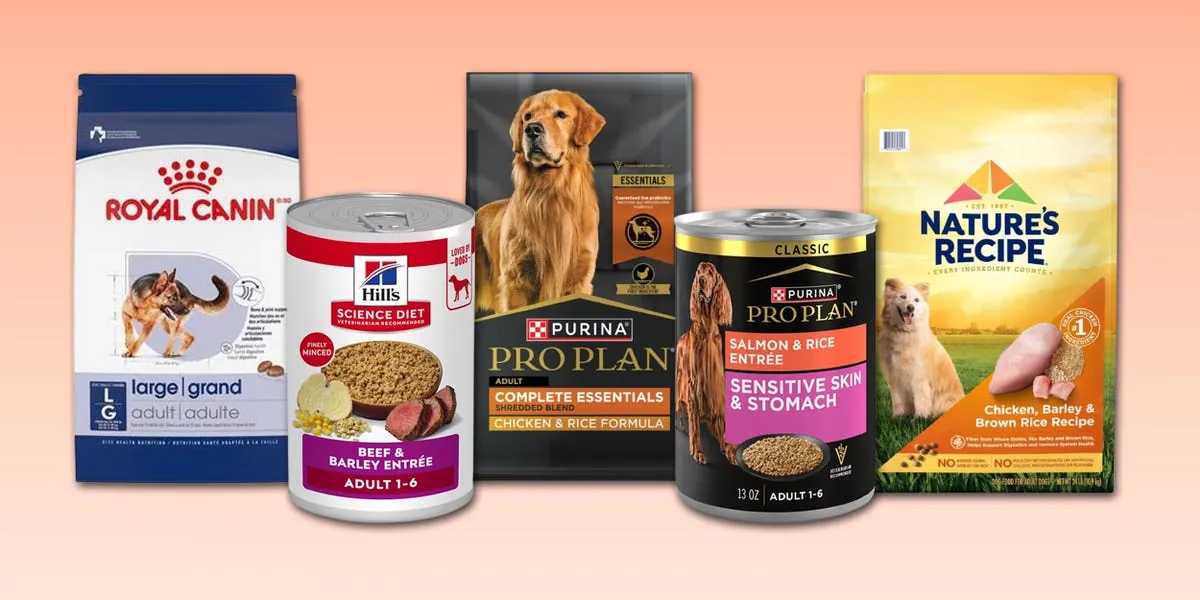
- Feeding based on price alone: Cheaper foods often use fillers that provide little nutritional value, meaning you have to feed more to reach the same caloric intake. Always prioritize the ingredient list over the cost per bag.
- Overfeeding treats: Giving too many human snacks or extra treats can lead to obesity and nutrient imbalances. Keep treats to less than 10% of your dog’s total daily calorie intake.
- Ignoring expiration dates: Expired food can lose its vitamin potency or develop rancid fats that are harmful. Always check the “best by” date and store the food in a cool, dry place to maintain freshness.
Frequently Asked Questions
Can I feed my dog human food?
You should only feed your dog human food as an occasional treat. Many human foods, such as onions, garlic, grapes, and chocolate, are toxic to dogs. If you want to add variety, stick to dog-safe vegetables like cooked carrots or green beans in very small amounts.
How do I know if my dog has a food allergy?
Symptoms of food allergies include chronic ear infections, itchy skin, and frequent digestive upset. If you suspect an allergy, your vet may suggest a strict elimination diet. This involves feeding a single-source protein and carbohydrate diet for 8 to 12 weeks to identify the specific trigger.
Is grain-free food better for dogs?
No, grain-free food isn’t scientifically proven to be better for the average dog. Unless your veterinarian has diagnosed a specific grain allergy, grains like brown rice or oats are a healthy source of fiber and energy. Most dogs digest grains very well and thrive on a balanced diet that includes them.
How much should I feed my dog daily?
The amount depends on your dog’s weight, activity level, and the caloric density of the specific food. Start by following the feeding chart on the back of the bag, which is based on your dog’s current weight. Adjust the amount by 10% if you notice your dog is becoming too thin or too heavy.
Why is my dog a picky eater?
Picky eating is often caused by too many snacks between meals or underlying dental pain. If your dog stops eating suddenly, check their mouth for sores or broken teeth. If they’re otherwise healthy, try sticking to a strict feeding schedule and removing the bowl after 20 minutes if they don’t eat.
Is wet food better than dry kibble?
Both options are healthy as long as they’re nutritionally complete. Wet food has higher moisture content, which can help with hydration, while dry kibble is often more convenient and can help reduce tartar buildup on teeth. Many owners choose to mix a small amount of wet food with dry kibble.
Conclusion
Providing high-quality nutrition is one of the most effective ways to support your dog’s long-term health. By focusing on life-stage appropriateness and monitoring your dog’s physical condition, you ensure they get exactly what they need to thrive. Always consult your veterinarian before making major changes to your dog’s diet, especially if they have existing health conditions.