
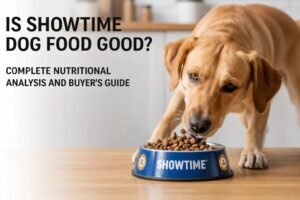
A diet that provides complete and balanced nutrition for your dog’s specific life stage is what makes dog food good.
The main decision factor is your dog’s age and activity level. If your pet is a growing puppy, you need a formula high in protein and calcium; if your dog is a senior, you should look for lower calorie counts to prevent weight gain. The most common mistake people make is choosing food based on marketing trends rather than the nutritional needs of their specific dog.
What makes dog food high quality

- Read the ingredient list to ensure a high-quality animal protein, such as chicken, beef, or fish, is listed as the first ingredient.
- Check the packaging for the “complete and balanced” statement from AAFCO to ensure the food contains all required vitamins and minerals.
- Look for a specific life stage on the bag, such as “puppy,” “adult,” or “all life stages,” to match the food to your dog’s age.
- If your dog has a medical condition, you must consult your veterinarian before switching to a new diet to ensure it won’t interfere with treatment.
- Store the food in a cool, dry place in its original bag to maintain freshness and prevent contamination, keeping it sealed after every meal.
Tip: Don’t rely on the “natural” or “premium” labels on the front of the bag, as these terms are often used for marketing and don’t reflect nutritional standards.
Time required for diet changes
The time it takes to see results from a new food depends on your dog’s metabolism and the health of their digestive system.
| Situation | Timeframe | What changes it | What to watch for |
|---|---|---|---|
| Normal transition | 7–10 days | Dog’s stomach sensitivity | Loose stools or gas |
| Weight loss plan | 8–12 weeks | Exercise levels | Steady weight drop |
| Allergy trial | 8–12 weeks | Severity of skin issues | Itching or redness |
If your dog refuses to eat or shows signs of vomiting after a week, consult your veterinarian to rule out an underlying issue.
Signs of a good diet
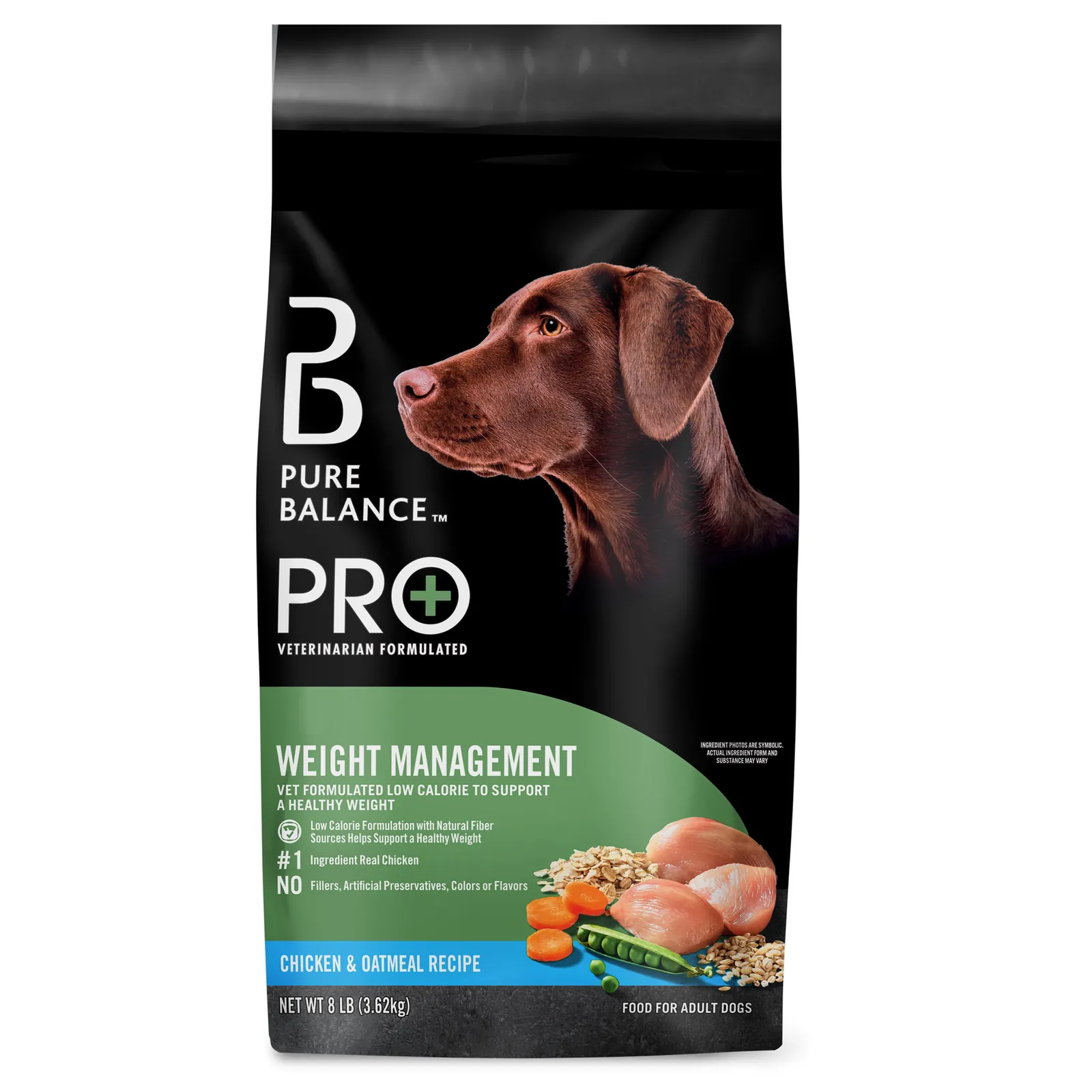
You can tell if a food is working by watching for a shiny, healthy coat and bright eyes. A dog on a good diet will have regular, firm stools and maintain a steady, healthy weight. If your dog has high energy levels and seems happy at mealtime, the food is likely a good fit. If you notice dull fur, constant scratching, or unexplained weight loss, the current food may not be meeting their specific needs.
Mistakes that ruin your dog’s health
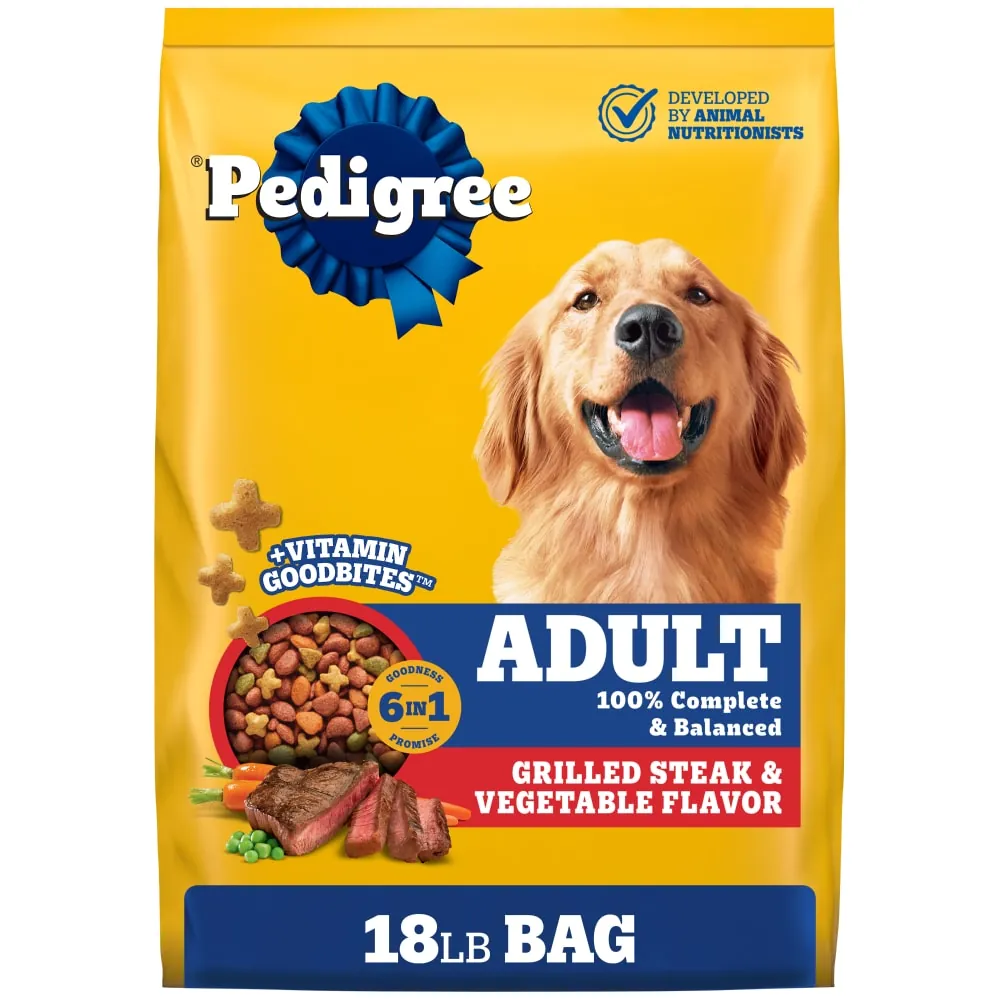
- Feeding table scraps: Human food is often too high in fat or contains ingredients like onions that are toxic to dogs. Stick to high-quality commercial food to ensure they get the right balance of nutrients.
- Ignoring portion sizes: Overfeeding leads to obesity, which puts stress on your dog’s joints and heart. Follow the feeding guidelines on the bag as a starting point and adjust based on your dog’s body condition.
- Rapid diet changes: Switching foods too quickly causes severe digestive upset, including diarrhea and vomiting. Always mix the new food with the old food gradually over a week to help their system adjust.
- Choosing by price alone: Budget brands may lack high-quality protein sources or the necessary nutrient balance. Prioritize nutritional labels over the lowest price tag to avoid long-term health costs.
Frequently asked questions
How much should I feed my dog each day?
You should follow the feeding chart on the bag, which gives a range based on the dog’s weight. If your dog is overweight, start at the lower end of the range; if they’re thin or highly active, you may need to provide the higher amount listed for their size.
Is grain-free food better for my dog?
No, grain-free food isn’t inherently better unless your veterinarian has diagnosed your dog with a specific grain allergy. Most dogs digest grains easily, and grains provide essential fiber and nutrients that support overall health and energy levels throughout the day for your pet.
Can I mix wet and dry dog food?
Yes, you can mix wet and dry food to improve palatability, provided you account for the total calories in both. Ensure the combined amount matches your dog’s daily caloric needs to prevent weight gain, and always refrigerate any leftover wet food in a sealed container for up to 3 days.
How do I know if my dog has a food allergy?
Signs of a food allergy include persistent itching, ear infections, or chronic digestive upset like diarrhea. If you notice these symptoms, a veterinarian must perform an elimination diet trial to identify the specific ingredient causing the reaction, as these issues are often confused with environmental allergies.
What is the most important ingredient in dog food?
The most important ingredient is a high-quality animal protein source listed first, such as chicken, beef, or salmon. This protein provides the amino acids necessary for muscle maintenance and overall health, which is the foundation of a balanced diet for dogs of all ages and activity levels.
Does my dog need supplements?
No, your dog doesn’t need supplements if they’re eating a complete and balanced diet. Adding extra vitamins or minerals without a veterinarian’s recommendation can actually cause nutrient imbalances, which may lead to serious health problems over time rather than providing any extra benefit to your dog.
Conclusion
Providing the right food is about consistency and checking the label for the AAFCO statement. If you notice your dog’s weight or energy level changing, adjust the portion size or talk to your vet to ensure the food remains the right choice for their changing needs throughout their life.