
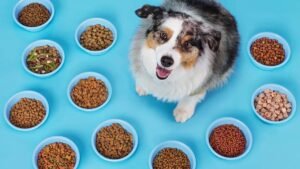
Choosing dog food that matches your pet’s life stage, activity level, and size is important. Most healthy adult dogs thrive on a balanced diet labeled for maintenance, while puppies and senior dogs require specific nutrients to support their unique growth or aging needs.
Choosing the right kind of food
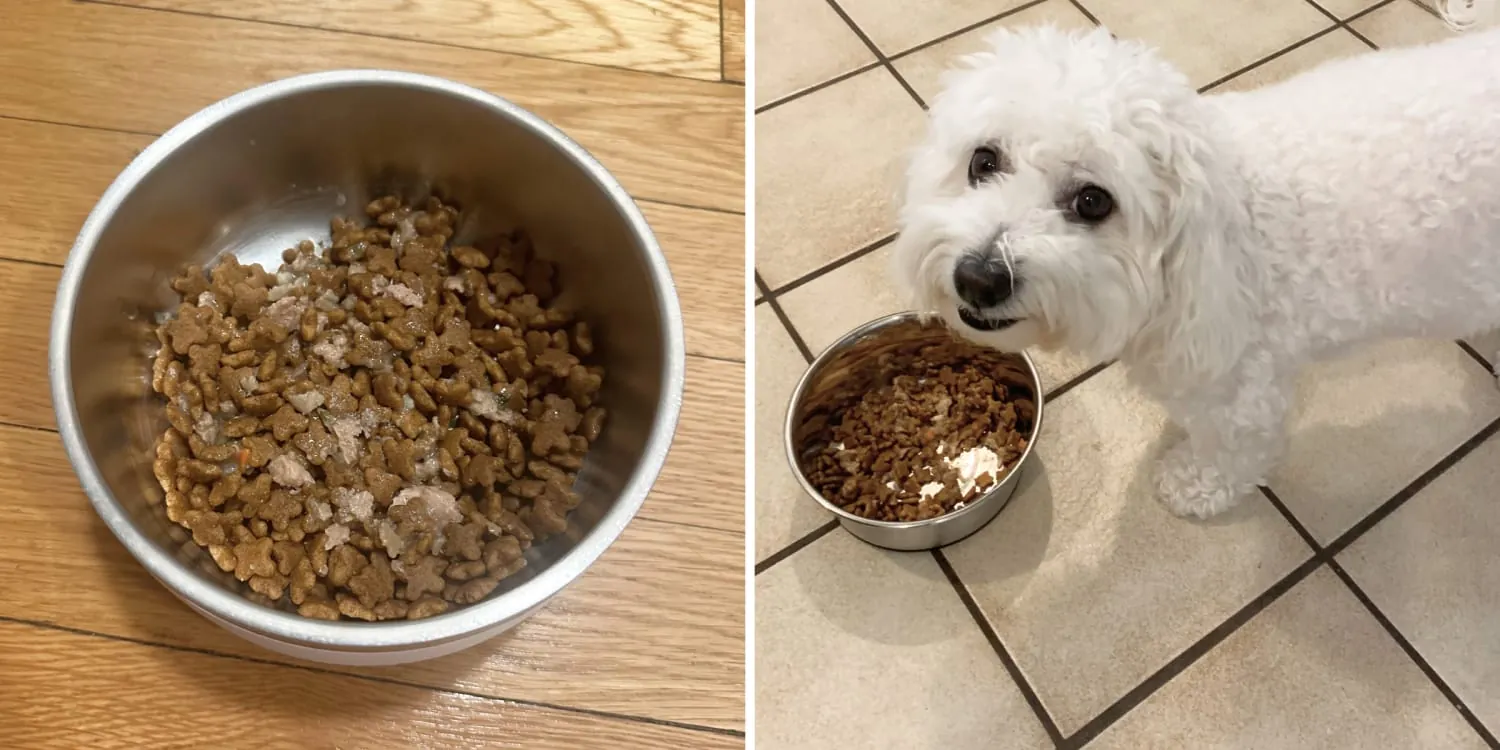
- Life stage matters: Pick labels marked for “growth” (puppies), “all life stages,” or “adult maintenance.”
- Size-specific formulas: Large breeds need controlled calcium levels to prevent rapid joint growth, while small breeds need higher calorie density.
- Check the label: Look for a statement from the Association of American Pet Food Control Officials confirming the food meets complete and balanced nutritional standards.
- Activity level: If your dog is a working animal, they need more protein and calories than a dog that sleeps inside all day.
- Consult your vet: If your dog has allergies or health issues, skip the store shelves and ask for a prescription diet.
- Monitor weight: If your dog gains weight too fast, reduce the portions by 10% or switch to a lower-calorie formula.
Why Nutritional Needs Vary by Breed and Age
The primary reason dogs need specific formulas is that their bodies process nutrients differently as they age. A puppy is in a state of rapid tissue and bone growth, meaning they need higher levels of protein and phosphorus compared to an adult. If you feed a puppy an adult formula, they might not receive the fuel needed for proper structural development.
Conversely, senior dogs often have slower metabolisms and may experience joint stiffness. Food designed for older dogs typically includes fewer calories to prevent weight gain and added supplements like glucosamine to support cartilage health. This is why you can’t simply swap bags based on price or packaging design.
Always check the official FDA animal food labeling guidelines to see what the manufacturer must disclose. If your dog is a working breed, they require high-energy fuel that would cause a sedentary house dog to become obese quickly.
Different Feeding Situations
| Situation | What changes | What to do instead |
|---|---|---|
| Puppy under 1 year | Growth requirements | Use puppy-specific formulas |
| Senior dog (7+ years) | Metabolism slows | Use senior-labeled food |
| Large breed puppy | Bone growth speed | Use large-breed specific food |
| Working dogs | Energy demand | Use high-protein performance food |
| Sensitive stomach | Digestion issues | Use limited-ingredient diets |
How to Feed Your Dog Properly
- Check the bag’s feeding chart to find the recommended daily amount based on your dog’s current weight.
- Use a standard measuring cup, not a kitchen coffee mug, to ensure you’re giving the exact portion listed.
- Divide the total daily amount into two equal meals to help your dog digest the food more comfortably.
- If you’re switching brands, mix 25% new food with 75% old food for three days to avoid stomach upset.
- Increase the new food ratio by 25% every few days until your dog is eating only the new brand.
- Monitor your dog’s body condition; if you can’t feel their ribs with light pressure, they’re likely overfed.
- Keep fresh, clean water available at all times, as dry kibble requires extra hydration for proper digestion.
Mistakes That Ruin Your Dog’s Health
- Free-feeding: Leaving food out all day leads to obesity because most dogs will eat whenever the bowl is full.
- Adding too many table scraps: Human food is often too salty or fatty, which can cause pancreatitis or nutrient imbalances.
- Ignoring the transition period: Switching food overnight often causes diarrhea or vomiting, making the dog avoid the new, healthier option.
- Buying based on marketing: Words like “premium” on the bag are just labels; the nutritional statement on the back is the only proof of quality.
Frequently asked questions
Can I feed my dog homemade food?
Yes, but only if a veterinary nutritionist designs the recipe to ensure it meets all daily nutrient requirements. Without a professional plan, homemade diets often lack essential minerals like calcium, which can lead to serious bone and organ issues over time.
How long should a puppy eat puppy food?
Most puppies should eat puppy-specific food until they reach 80% of their expected adult weight, which is usually around 12 months. Large breeds often need this specialized growth formula for up to 18 or 24 months to ensure their bones develop properly.
Is grain-free dog food better?
No, grain-free food isn’t scientifically proven to be better for the average dog unless they have a diagnosed grain allergy. Most dogs digest grains like rice or oats perfectly well, and these provide necessary fiber for a healthy digestive system.
How much water should a dog drink?
A healthy dog typically drinks between 0.5 and 1 ounce of water per pound of body weight every day. If your dog suddenly drinks much more or less than this, you should schedule a visit with your veterinarian for a check-up.
What happens if I overfeed my dog?
Overfeeding leads to obesity, which increases the risk of diabetes, joint pain, and heart disease in dogs. You can check if your dog is overweight by looking at their waist from above; they should have a clear tuck behind the ribs.
Does the price of dog food matter?
Yes, higher-priced foods often use higher-quality protein sources and fewer fillers, but price alone isn’t a guarantee of quality. Always check the ingredient list for a named protein source—like chicken or beef—listed as the very first ingredient.
Is it safe to mix wet and dry food?
Yes, mixing wet and dry food is safe and can be a great way to improve hydration and appeal for picky eaters. Just ensure you calculate the total calories from both types of food so you don’t exceed your dog’s daily limit.
Conclusion
If you’re still unsure which bag to pick, don’t hesitate to chat with your veterinarian during your next visit. They’ll help you tailor a plan that keeps your furry friend happy and full of energy. It’s a simple way to ensure you’re giving them the very best care every day.