

You can find dog food at major pet specialty retailers, national grocery chains, wholesale clubs, and direct-to-consumer subscription services. Prices typically range from $15 to $90 for a standard 30-pound bag of dry kibble, while fresh or frozen options generally cost between $40 and $120 for an equivalent monthly supply depending on brand and formulation.
Key Takeaways

- Major pet retailers like Petco and PetSmart offer the widest selection of prescription diets and specialized veterinary formulas in stock.
- Wholesale clubs such as Costco provide the lowest per-pound cost for premium brands like Blue Buffalo and Purina Pro Plan.
- Direct-to-consumer subscriptions like The Farmer’s Dog deliver portioned fresh meals directly to your door on customizable schedules.
- Always verify current inventory online before visiting physical stores to avoid wasted trips for specific dietary formulations.
- Check manufacturer websites for authorized retailer locators to ensure product authenticity and proper storage handling standards.
Where Can I Find Dog Food
Locating the right nutrition requires matching your specific needs with the appropriate retail channel. Big-box pet stores maintain extensive aisles dedicated to canine nutrition, stocking dozens of brands across life stages and health conditions. These locations employ staff trained to discuss ingredients and transitions, making them ideal for owners navigating new diagnoses or allergies.
Independent pet boutiques often carry niche, limited-ingredient, or raw diets unavailable elsewhere, supporting local businesses while accessing unique formulations. Grocery stores remain convenient for maintenance diets, though selection is usually restricted to mainstream commercial brands without therapeutic options.
Online Specialty Retailers
E-commerce platforms have revolutionized access to specialized nutrition. Chewy and Amazon host thousands of SKUs with detailed filtering for protein sources, grain content, and veterinary recommendations. Autoship programs reduce costs by five to ten percent while ensuring continuous supply. Digital storefronts display real-time stock levels, preventing disappointment during shortages. Customer reviews highlight palatability issues or packaging defects before purchase.
Comparing Retail Channels
Choosing where to shop depends on balancing price, convenience, and selection depth. Each channel serves distinct priorities, from emergency same-day needs to long-term budget optimization. Understanding these trade-offs prevents overspending or settling for inadequate nutrition.
| Retail Channel | Best For | Typical Price Range | Selection Depth |
|---|---|---|---|
| Pet Specialty Stores | Prescription diets and expert advice | $$ – $$$ | High |
| Wholesale Clubs | Bulk purchasing and value | $ | Medium |
| Grocery Stores | Convenience and staples | $ – $$ | Low |
| Subscription Services | Fresh food and customization | $$$ – $$$$ | Specialized |
Evaluating Fresh Food Options
Fresh and gently cooked diets have gained significant market share due to perceived quality benefits. Companies like Nom Nom and JustFoodForDogs formulate meals using human-grade ingredients prepared in USDA-inspected kitchens. These services require accurate weight and activity inputs to generate correct portions. Transition periods must be managed carefully to avoid gastrointestinal upset. Storage demands freezer or refrigerator space, unlike shelf-stable kibble.
Pro Tip: Verify that any fresh food service employs a board-certified veterinary nutritionist to formulate recipes, as this credential ensures nutritional adequacy beyond basic AAFCO feeding trials.
Finding Prescription Diets
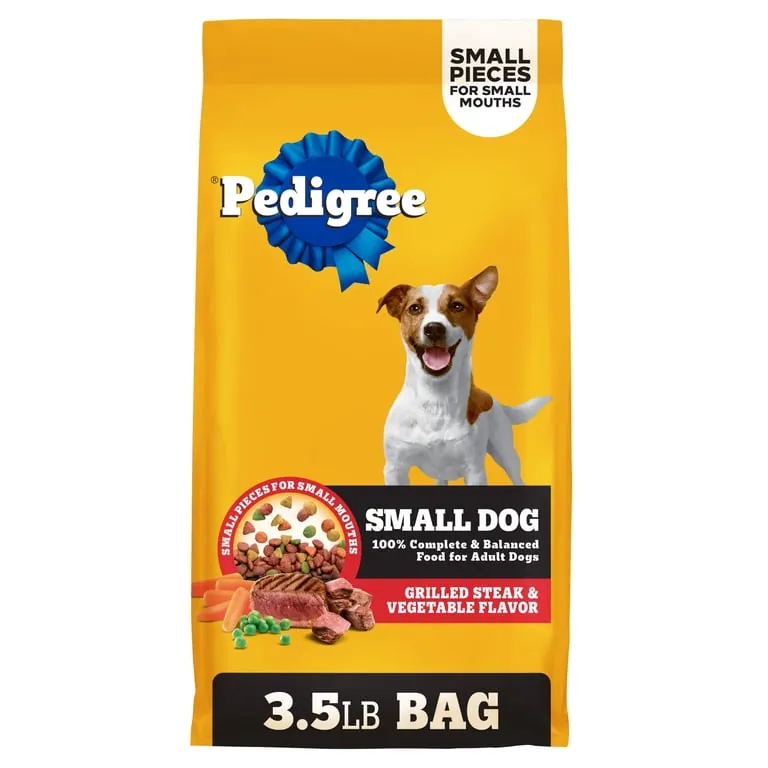
Therapeutic nutrition requires veterinary authorization and specific distribution channels. Hill’s Prescription Diet, Royal Canin Veterinary Diet, and Purina Pro Plan Veterinary Supplements are sold through licensed clinics, authorized online pharmacies, and select pet specialty retailers with verification systems. Purchasing unauthorized versions risks counterfeit products or improper storage compromising efficacy. Your veterinarian provides written authorization valid for six months to one year. Authorized online retailers like VCA Shop or PetMeds streamline reorders after initial approval.
Checking Product Recalls
Safety monitoring protects pets from contaminated or mislabeled products. The U.S. Food and Drug Administration maintains a searchable database of pet food recalls updated regularly with lot numbers, reasons, and affected distributors. Bookmark this resource and check periodically, especially when switching brands or noticing unexplained illness symptoms. Manufacturers also post recall notices on their official websites and social media channels. Sign up for email alerts from trusted safety organizations to receive immediate notifications rather than discovering issues after exposure.
Reading Labels Correctly
Understanding packaging terminology prevents marketing confusion. Terms like “natural,” “holistic,” and “premium” lack legal definitions under federal regulations. Guaranteed analysis lists minimum crude protein and fat alongside maximum fiber and moisture percentages. Ingredient statements appear in descending order by weight before processing. Named meat meals (e.g., chicken meal) indicate concentrated protein sources, while generic terms (e.g., poultry by-products) allow variable compositions. Calorie content expressed as kcal/cup enables accurate comparison across different densities.
Warning: Avoid products listing vague ingredient descriptors like “meat digest” or “animal fat” without species specification, as these obscure true protein quality and allergen profiles.
Managing Budget Constraints
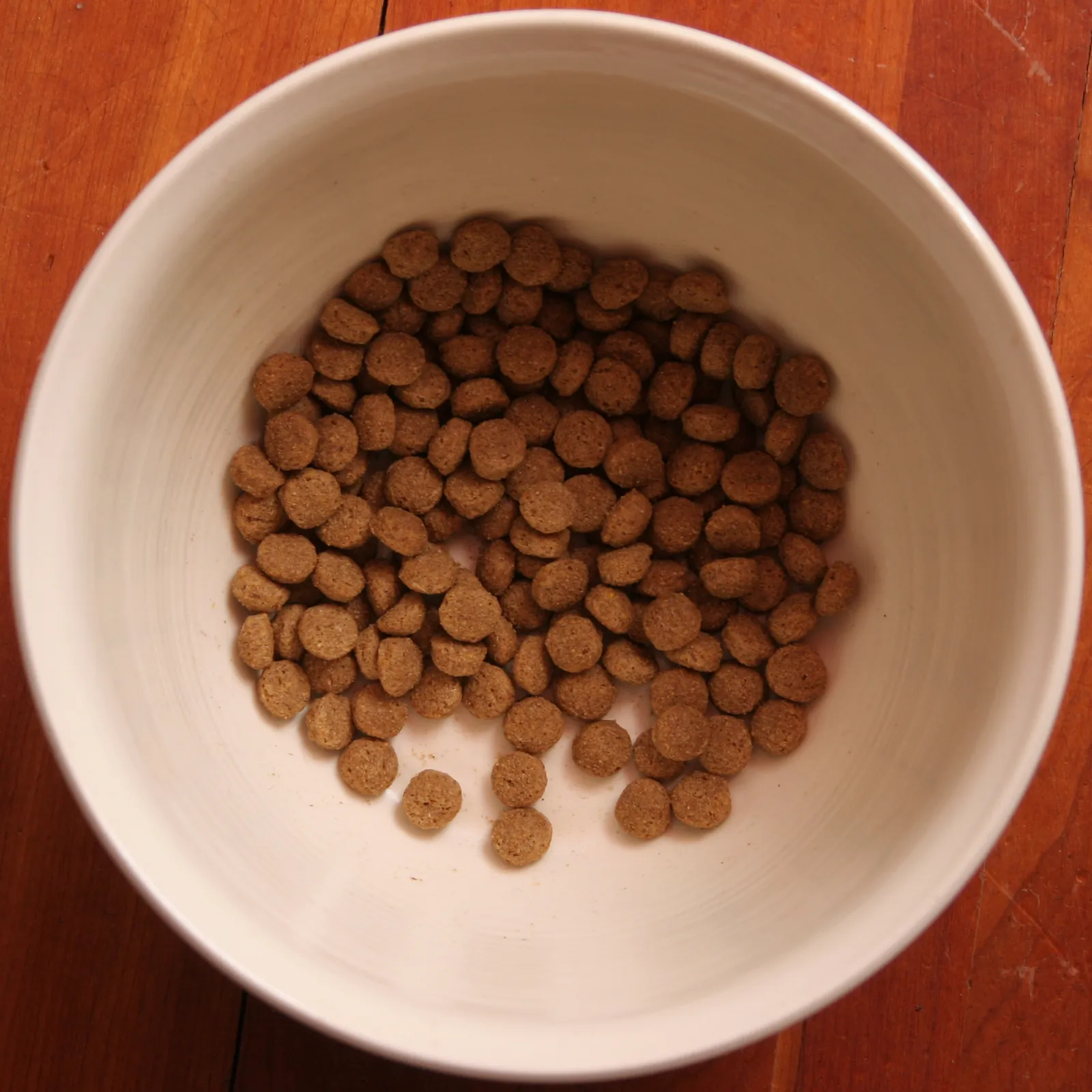
Quality nutrition exists at multiple price points without sacrificing safety. Store brands from reputable manufacturers undergo identical testing protocols as premium lines. Buying larger bags reduces per-pound costs significantly when storage conditions permit. Loyalty programs at pet retailers accumulate points redeemable for future discounts. Generic therapeutic alternatives approved by veterinarians can save thirty to fifty percent versus name-brand prescriptions. Rotating proteins within acceptable tolerance ranges prevents dependency on expensive single-source formulas.
Related guides
- Where to Buy Steve’s Raw Dog Food: Stores and Online
- What Is the Best Store Brand Dog Food? Kirkland Wins
- Philips TV Google Play Store Not Working? 10 Easy Fixes I Would Try First
Frequently Asked Questions
Can I buy prescription dog food without a vet visit?
No, legitimate prescription diets require documented veterinary authorization verifying medical necessity. Unauthorized sales violate federal regulations and risk counterfeit products lacking therapeutic efficacy. Some maintenance diets marketed for sensitive stomachs don’t require prescriptions but can’t replace medically formulated nutrition for diagnosed conditions like kidney disease or urinary crystals.
How do I transition my dog to new food safely?
Gradually mix increasing proportions of new food with decreasing old food over seven to ten days. Start with twenty-five percent new food for three days, then fifty percent for three days, followed by seventy-five percent for three days before full transition. Monitor stool consistency and appetite throughout. Extend the timeline if digestive upset occurs.
Are grain-free diets safer than grain-inclusive options?
Not necessarily. FDA investigations linked certain grain-free formulations containing legumes or potatoes to dilated cardiomyopathy cases, though causation remains unproven. Grains provide valuable nutrients and carbohydrates unless your dog has confirmed grain allergy, which affects fewer than ten percent of food-allergic dogs. Consult your veterinarian before eliminating grains based solely on marketing claims.
What should I do if my preferred brand is discontinued?
Contact the manufacturer directly for reformulation details or recommended alternatives within their portfolio. Your veterinarian can suggest nutritionally comparable options matching previous macronutrient profiles. Transition gradually as with any diet change. Document previous guaranteed analysis values to compare potential replacements accurately rather than relying on brand reputation alone.
Conclusion
Begin by identifying your dog’s specific nutritional requirements and preferred shopping channel, then verify current inventory and pricing before making your first purchase to ensure seamless access to appropriate nutrition.