
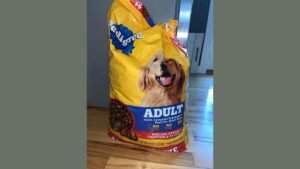
The largest commercially available bag of dry dog food typically weighs 100 pounds, with standard bulk options ranging from 40 to 50 pounds for most major brands. While specialty agricultural suppliers occasionally stock 120-pound sacks intended for working farm dogs or kennels, the practical maximum size for general consumers remains the 100-pound format sold at warehouse clubs and dedicated pet supply retailers nationwide.
Key Takeaways
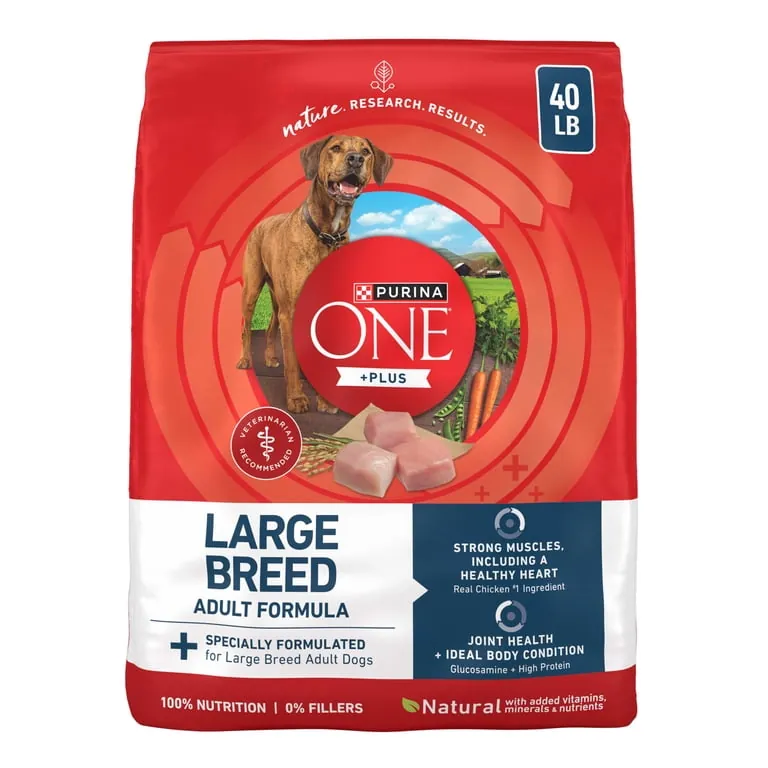
- Standard bulk bags range from 40 to 50 pounds at most national pet retailers.
- Warehouse clubs sell 50-pound sizes as their primary large-format option.
- Specialty distributors offer 100-pound sacks specifically for kennels and working dogs.
- Proper storage containers are mandatory to prevent rancidity in large volumes.
- Check expiration dates before purchasing sizes exceeding monthly consumption rates.
- Calculate cost per pound rather than total price to determine true value.
What Is the Biggest Bag of Dog Food?
The absolute largest widely distributed bag is the 100-pound sack, primarily manufactured by brands like Purina Pro Plan, Diamond Professional, and Blue Buffalo Basics for professional use. These massive packages target breeders, boarding facilities, and owners of multiple large-breed dogs who require high-volume feeding solutions without frequent reordering trips. Retail availability varies significantly by region, often requiring direct orders through authorized distributors rather than standard storefront purchases.
Commercial vs Consumer Sizes
Consumer markets cap at 50 pounds because larger weights pose safety risks during transport and handling for average shoppers. Professional channels bypass these limitations since buyers possess equipment or staff capable of managing heavier loads safely. This distinction explains why searching local pet stores yields smaller maximums compared to wholesale agricultural or veterinary supply catalogs serving commercial clients.
Standard Bulk Size Options
Most pet owners encounter three distinct weight tiers when shopping for economical large-format nutrition. Understanding these categories helps set realistic expectations based on your specific retailer type and intended usage volume.
| Size Category | Typical Weight Range | Primary Retail Channel | Target Demographic |
|---|---|---|---|
| Large | 30–35 lbs | Grocery Stores | Single Large Dog |
| Extra Large | 40–50 lbs | Pet Specialty Chains | Multi-Dog Households |
| Super Bulk | 80–100 lbs | Wholesale Distributors | Kennels and Breeders |
Common Brand Offerings
Major manufacturers maintain consistent bag sizing across their premium and value lines to simplify inventory management. Purina Dog Chow and Iams frequently appear in 40-to-50-pound formats at big-box stores, while performance formulas like Sportmix or VICTOR often utilize the heavier 40-pound standard exclusively through independent dealers. Always verify exact weights on packaging, as manufacturers occasionally adjust net contents without changing physical bag dimensions.
Where to Find Largest Bags
Locating super-sized packages requires targeting specific retail segments that cater to high-volume buyers rather than casual shoppers. Warehouse membership clubs like Costco and Sam’s Club consistently stock 50-pound bags of popular brands at competitive price points. For true 100-pound sacks, contact local feed mills, Tractor Supply locations, or regional pet food distributors directly, as these items rarely appear on public-facing websites due to shipping logistics constraints.
Pro Tip: Call ahead before visiting agricultural supply stores, as 100-pound inventory fluctuates seasonally based on working dog demand cycles and distributor delivery schedules.
Storage Requirements for Bulk
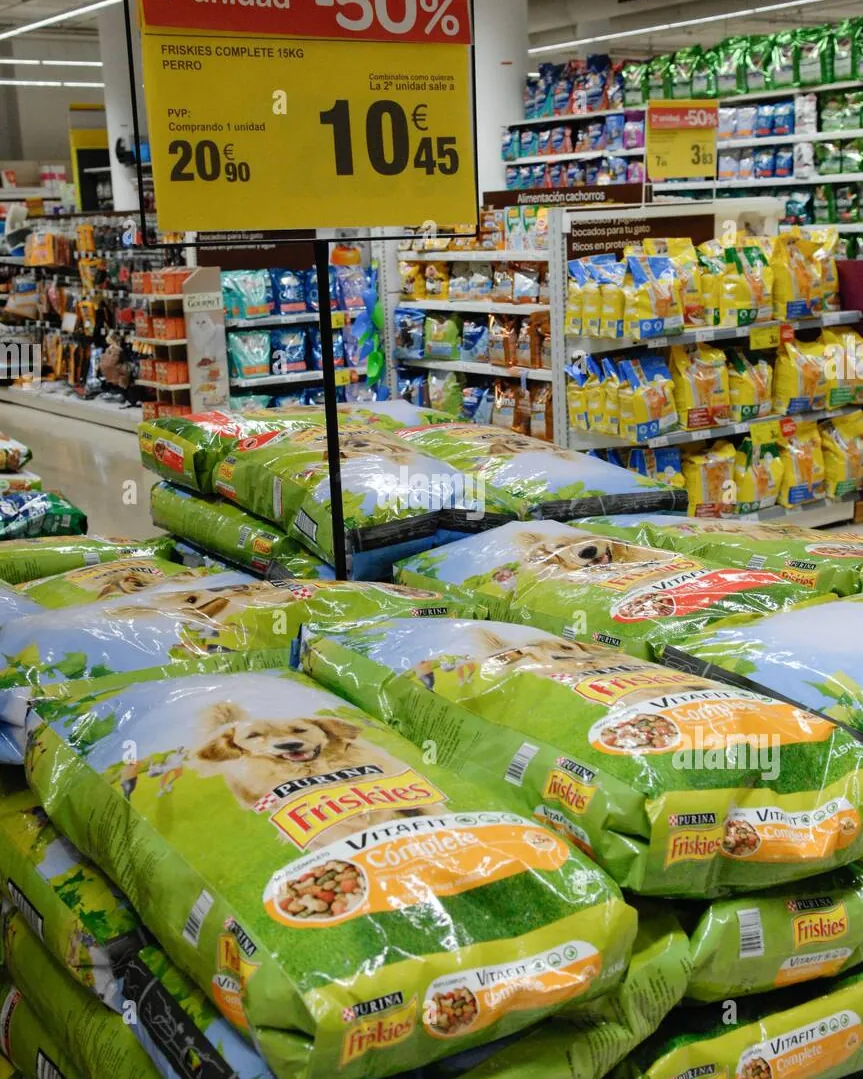
Purchasing massive quantities introduces significant spoilage risks if storage protocols are neglected. Fats in kibble oxidize rapidly once factory seals break, potentially causing gastrointestinal distress or nutritional deficiencies within weeks. Invest in airtight metal or heavy-duty plastic bins with gasket seals immediately upon purchase. Never store kibble directly in original bags long-term, as microscopic tears allow moisture and pests to compromise entire batches silently.
Temperature and Humidity Control
Maintain storage areas below 70 degrees Fahrenheit with relative humidity under 60 percent to maximize shelf life. Basements and garages often exceed these thresholds during summer months, accelerating fat degradation even in sealed containers. Climate-controlled pantries or interior closets provide superior protection against environmental variables that shorten usable lifespan regardless of printed expiration dates.
Cost Efficiency Analysis
Bigger doesn’t automatically mean cheaper when evaluating unit economics across different package sizes. Manufacturers sometimes price mid-tier bags more aggressively per pound to drive volume sales in competitive retail environments. Always divide total cost by net weight to compare true value propositions accurately before committing to bulk purchases that might expire before consumption completes.
| Bag Size | Average Price | Cost Per Pound | Savings vs Small |
|---|---|---|---|
| 15 lb Bag | $22.99 | $1.53 | Baseline |
| 40 lb Bag | $44.99 | $1.12 | 27% |
| 100 lb Sack | $89.99 | $0.90 | 41% |
Safety Handling Guidelines
Lifting 100-pound bags requires proper body mechanics to prevent serious musculoskeletal injuries. Bend at knees while keeping back straight, hug load close to torso center, and pivot with feet rather than twisting spine. Use hand trucks or dollies whenever possible, especially when navigating stairs or uneven surfaces. Two-person lifts are strongly recommended for any package exceeding 50 pounds regardless of individual strength levels.
Warning: Never attempt to carry super-bulk bags alone up or down staircases, as loss of balance could result in catastrophic falls or permanent spinal damage.
Shelf Life Considerations
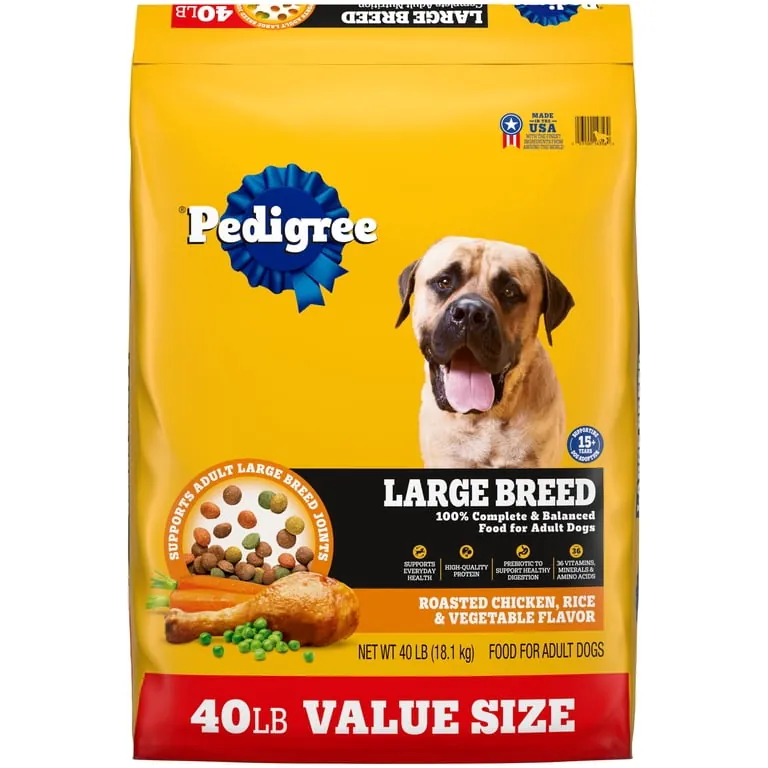
Unopened dry food maintains peak quality for 12 to 18 months from manufacture date according to FDA guidelines on pet food labeling and storage. Once opened, oxidation begins immediately regardless of resealing efforts. Plan consumption timelines carefully; a single dog eating two cups daily will take over four months to finish 100 pounds, likely exceeding safe freshness windows unless frozen portions preserve nutrient integrity effectively.
Related guides
- What’s the Best Food to Feed Dogs? The AAFCO Answer
- What’s the Healthiest Dog Food for Your Dog? The AAFCO Answer
- Amazon Brand – Solimo Duck Jerky Dog Treats, 2 Pounds Reviews: Is This Big Bag Worth It?
Frequently Asked Questions
Can I freeze bulk dog food?
Yes, freezing extends freshness significantly for opened super-bulk bags. Portion kibble into weekly servings using vacuum-sealed bags or airtight containers before freezing. Thaw only what you need in the refrigerator overnight. This method prevents repeated temperature fluctuations that accelerate spoilage and maintains nutritional quality for up to six months beyond normal pantry storage limits.
Do 100-pound bags have zippers?
Most 100-pound sacks lack resealable closures entirely, relying instead on heat-sealed seams or simple fold-over tops secured with tape. This design reflects commercial usage patterns where contents transfer immediately to permanent storage bins. Always plan for secondary containment solutions before purchasing, as partial bags left open attract insects and rodents while losing palatability rapidly through oxidation exposure.
Are bigger bags fresher than small ones?
Not necessarily, as freshness depends entirely on manufacturing date rather than package size. Large bags may actually sit longer in warehouse inventory due to slower turnover rates compared to popular consumer sizes. Always check production codes regardless of bag weight, and prioritize recently manufactured product over older stock even if the larger size appears more economical at first glance.
Why do stores limit large bag sales?
Retailers restrict super-bulk availability due to liability concerns regarding customer injuries during transport and handling. Additionally, floor space economics favor higher-margin smaller packages that turn inventory faster. Warehouse clubs mitigate these issues through specialized equipment and membership models, but traditional pet stores avoid stocking 100-pound sizes to reduce workers’ compensation claims and optimize revenue per square foot.
Conclusion
Verify current pricing and availability at your preferred retailer before making final purchasing decisions, as regional distribution networks and seasonal promotions significantly impact both accessibility and cost-effectiveness of super-bulk dog food options.