
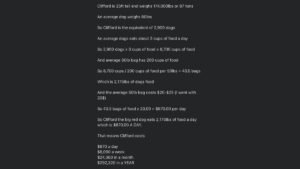
Feeding a large dog typically costs between $50 and $90 per month for standard commercial food, though premium or fresh diets can exceed $150, with the final amount depending entirely on your pet’s specific weight, activity level, and the calorie density of the food you choose.
Success hinges on matching calories to metabolic needs rather than generic bag guidelines. Overfeeding is the most common error, leading to obesity and joint problems. Always measure by weight using a kitchen scale instead of volume measurements, which vary significantly.
Calculating How Much It Costs to Feed a Large Dog
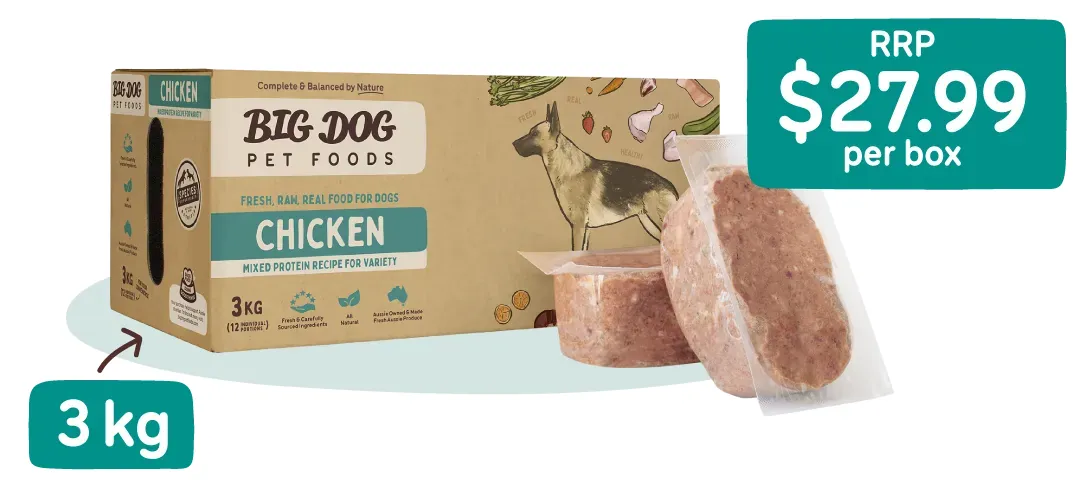
Accurate budgeting requires calculating your specific dog’s daily energy requirement. Food needs vary by activity level, age, and neuter status even at equal weights.
- Weigh your dog accurately to the nearest pound using a calibrated scale at home or your vet’s office. Guessing weight leads to significant budget errors because caloric needs change drastically every ten pounds in large breeds.
- Calculate resting energy requirements (RER) using the formula: 70 x (body weight in kg)^0.75. Multiply this RER by the appropriate multiplier for your dog’s status; neutered adults use 1.6 while intact adults use 1.8.
- Check the metabolizable energy (ME) listed on your chosen food’s label or manufacturer website. Divide your dog’s daily calorie target by the food’s ME per cup or gram to find the exact daily portion.
- Multiply the daily portion by 30 to get monthly volume, then multiply by the current price per unit. Compare three brands at this stage because higher calorie density often means feeding less volume despite a higher upfront bag price. Tip: If switching foods, recalculate portions even if the new bag suggests similar cup measurements. Calorie density varies by up to 30% between brands.
- Adjust the calculated amount based on body condition score every two weeks rather than waiting for visible weight changes. Large dogs hide weight gain under thick coats until it becomes a health crisis requiring veterinary intervention.
- Factor in treats as part of the total daily calorie allowance, not extra. Treats should never exceed 10% of daily intake, so subtract those calories from the main meal portion to maintain accurate budgeting and weight management.
Monthly Cost by Diet Type
Your monthly spending shifts dramatically based on diet format and your dog’s size within the large breed category. These estimates assume a 70-pound neutered adult dog with average activity; adjust proportionally for heavier or lighter dogs.
| Situation | Monthly Cost | What Changes It | What to Watch For |
|---|---|---|---|
| Budget kibble | $40–$55 | Lower calorie density requires larger portions | Fillers that increase waste volume |
| Premium kibble | $60–$90 | Higher digestibility reduces portion size | Marketing claims versus guaranteed analysis |
| Fresh/frozen raw | $120–$180 | High moisture content increases shipping weight | Bacterial handling safety protocols |
| Home-cooked balanced | $90–$140 | Ingredient prices fluctuate seasonally | Nutritional completeness without supplements |
| Prescription diet | $100–$160 | Veterinary markup and specialized formulation | Required vet authorization renewals |
If costs exceed these ranges consistently, verify your calorie calculations against your dog’s actual body condition before assuming inflation is the sole cause.
Signs Your Feeding Amount Is Correct
Body condition scoring provides objective feedback that scales and tape measures can’t offer alone.
The definitive test combines physical assessment with regular weigh-ins every two weeks during adjustment periods. According to Tufts Clinical Nutrition Service, ideal scores range from 4 to 5 on a 9-point scale where ribs are palpable without excess fat covering.
Common Feeding Budget Mistakes

- Ignoring calorie density differences. Switching brands without recalculating portions causes accidental overfeeding or underfeeding because kibble calories vary by hundreds per cup. Always divide your dog’s daily calorie target by the new food’s specific metabolizable energy value before pouring the first bowl.
- Using volume measurements exclusively. The weight of kibble per cup differs between manufacturers and even between production batches of the same brand. Invest in a digital kitchen scale weighing to the gram for consistency that protects both your dog’s health and your monthly budget accuracy.
- Treating table scraps as free extras. Human food adds unaccounted calories that compound into significant weight gain over months in large breeds. Deduct treat calories from daily rations or eliminate scraps entirely to maintain predictable costs and prevent pancreatitis risks.
- Buying largest bags automatically. Bulk discounts disappear if food spoils before consumption or your dog rejects the formula after opening. Calculate whether your dog finishes a 30-pound bag within six weeks of opening before committing to bulk pricing that wastes money on stale product.
Frequently asked questions
How much does it cost to feed a Great Dane monthly?
Expect $80 to $120 monthly for premium kibble given their 120-180 pound weight range. Their rapid growth phase as puppies costs more temporarily due to specialized large-breed puppy formulas.
Can I reduce feeding costs safely for large dogs?
Yes, by choosing higher calorie-density kibble that requires smaller portions while meeting nutritional standards. Proper portion control with quality food often costs less than overfeeding budget options.
Why is my large dog always hungry on budget food?
Budget foods often contain indigestible fillers that pass through without providing satiety or nutrition. Switching to higher digestibility food usually reduces total monthly spend while improving satisfaction.
Is homemade food cheaper than commercial kibble?
Rarely for large dogs when properly balanced with necessary supplements and veterinary nutritionist consultation. Homemade diets only save money if you source ingredients wholesale and formulate recipes with professional guidance.
Do large breed puppies cost more to feed than adults?
Yes, growing puppies require 2-3 times adult maintenance calories during peak growth phases between three and eight months. Budget for higher costs during the first eighteen months before transitioning to adult maintenance portions.
How often should I adjust feeding amounts?
Reassess portions every two weeks during growth phases or weight management, then monthly for stable adults. Waiting for obvious visual changes means you’ve already overspent or compromised health for weeks.
Conclusion
These figures provide a realistic starting point, but your actual costs will settle only after tracking your individual dog’s response over several months. Keep detailed records of portions, weight, and body condition scores to refine your budget beyond generic estimates and ensure long-term health without unnecessary spending.