
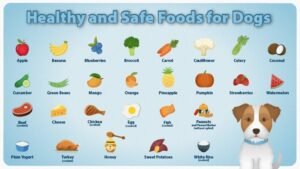
Selecting the right balance of proteins, fats, and minerals helps you determine the best food for dogs to support their specific life stage. Every healthy dog requires a diet that meets the nutritional standards set by the Association of American Feed Control Officials.
A quick guide to the best food for dogs
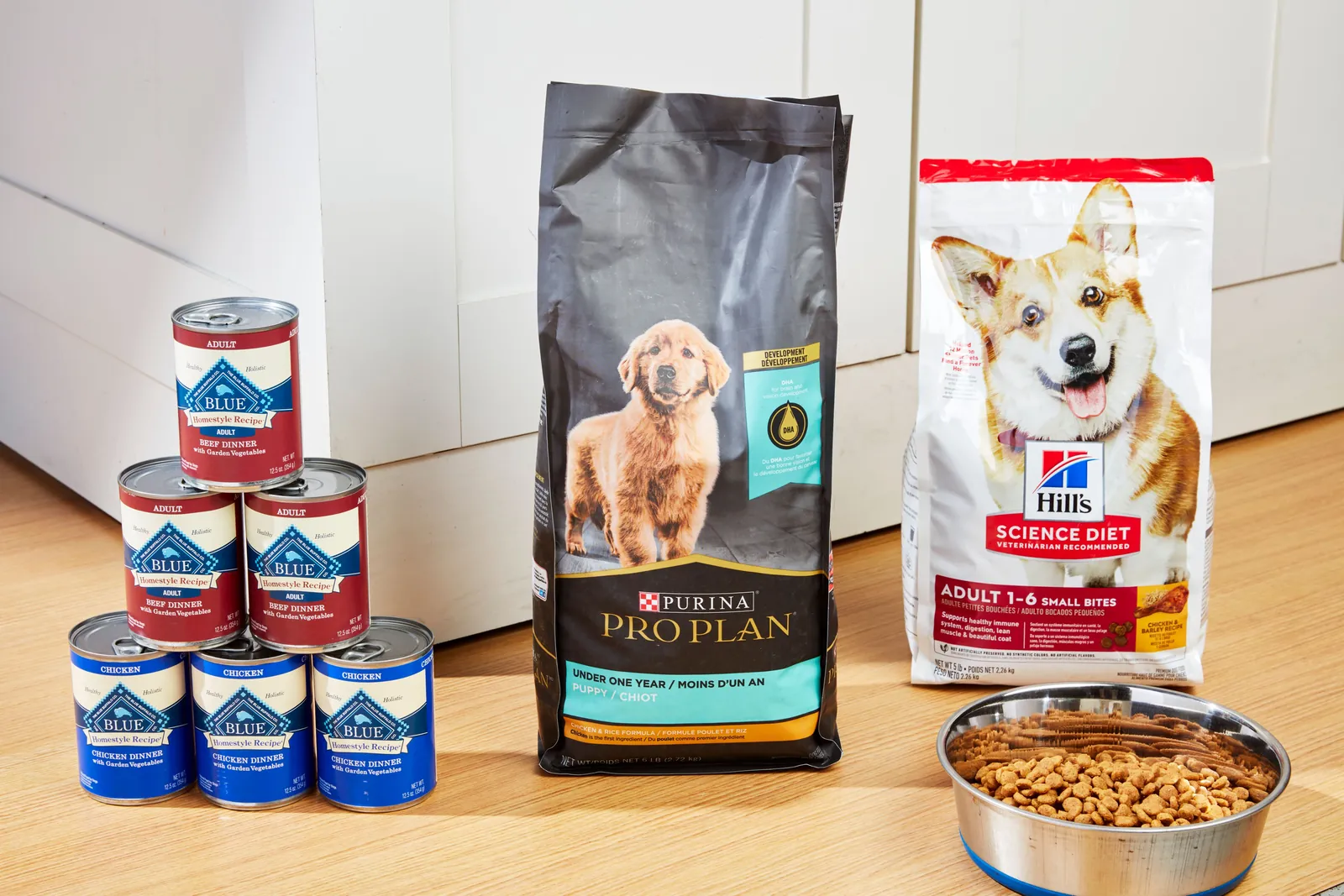
- Look for a statement on the label that the food is nutritionally complete.
- Puppies need higher protein and fat levels compared to adult dogs.
- Senior dogs often benefit from lower calorie counts to prevent weight gain.
- Always provide fresh water alongside dry kibble or wet canned food.
- Consult your veterinarian if your dog has known allergies or sensitivities.
- Transition to new food over seven days by mixing old and new portions.
Why nutritional balance matters for health
Dogs are omnivores that need a precise mix of nutrients to maintain organ function and coat health. A balanced diet provides essential amino acids, fatty acids, and vitamins that a dog can’t produce on its own. These nutrients support immune system strength and energy levels throughout the day.
Manufacturers of commercial dog food must follow guidelines established by the Association of American Feed Control Officials to ensure products are safe and complete. You should always read the back of the bag to confirm the food meets these standards for your pet’s specific age and size.
Avoid diets that lack these certifications, as they may not provide the necessary minerals for long-term health. If you’re unsure about a specific brand, ask your vet to review the label for you. They can identify if the ingredients match your dog’s activity level and physiological needs.
When dietary needs change
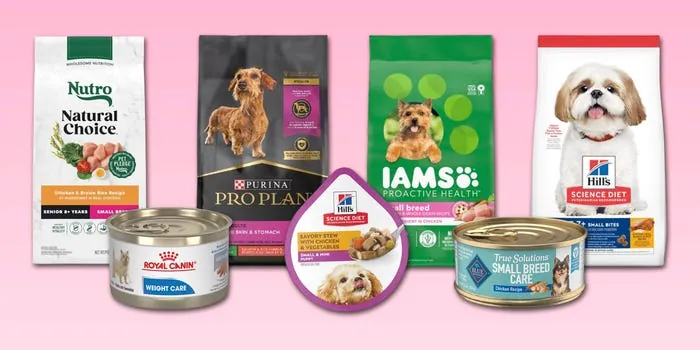
Not every dog thrives on the same standard formulation. You must adjust the diet based on the dog’s unique health profile and physical requirements.
| Situation | What changes | What to do instead |
|---|---|---|
| Puppy growth | High calorie needs | Feed puppy-specific formulas |
| Senior years | Lower metabolism | Switch to senior blends |
| Food allergies | Protein source | Use limited-ingredient diets |
| High activity | Energy density | Increase working dog food |
| Weight gain | Calorie intake | Use weight management formulas |
How to feed your dog properly
- Check the manufacturer’s feeding chart on the bag to find the daily amount based on your dog’s current weight.
- Divide the total daily amount into two equal meals to help with digestion and keep your dog satisfied all day.
- Use a standard measuring cup for every meal to ensure you aren’t overfeeding, which is the most common cause of obesity.
- If you use a kitchen scale to weigh food, use the gram measurement for accuracy; for cups, always level the top.
- Monitor your dog’s body condition; if you can’t feel their ribs easily, reduce the portion size by about ten percent daily.
- Always keep the food bag sealed in a cool, dry place to prevent the fats from going rancid and losing nutrients.
The mistakes that ruin dog health
- Feeding human table scraps often leads to dangerous weight gain and potential pancreatitis from high fat content.
- Changing food brands suddenly usually causes digestive upset, vomiting, or diarrhea because the gut bacteria can’t adjust.
- Ignoring the serving size on the bag leads to overfeeding, which puts unnecessary stress on a dog’s joints.
- Leaving wet food out for more than two hours promotes bacterial growth that can make your dog sick.
Frequently asked questions
Can I feed my dog a homemade diet?
You can feed a homemade diet, but only if it’s formulated by a veterinary nutritionist. A home-cooked meal often lacks the specific balance of calcium and phosphorus required to keep bones strong and prevent serious long-term health issues.
How long does a bag of dog food last?
A bag typically lasts until the expiration date printed on the packaging, provided it’s kept sealed. Once opened, most dry food stays fresh for about four to six weeks if stored in a cool, dark environment.
Is grain-free food better for dogs?
Grain-free food isn’t better for most dogs, and there’s no scientific evidence suggesting grains are harmful to healthy pets. Unless your veterinarian has diagnosed a specific grain allergy, standard formulas containing grains provide essential fiber and energy.
What happens if I switch dog food too fast?
Sudden changes to a new food usually cause significant stomach distress, including vomiting and loose stools. You should always introduce new food gradually over a one-week period to allow your dog’s digestive system to adapt to the new ingredients.
How often should I feed my dog?
Most adult dogs should be fed twice daily, once in the morning and once in the evening. This schedule helps manage hunger throughout the day and keeps your dog’s metabolism stable, preventing the urge to beg for human food.
Does the price of dog food matter?
The price of dog food doesn’t always reflect quality, though premium brands often use higher-quality protein sources. You should prioritize labels that show compliance with nutritional standards rather than choosing food based solely on the cost.
Conclusion
Feeding your dog is a daily responsibility that directly impacts their longevity and comfort. By sticking to nutritionally complete options and adjusting portions based on your dog’s body condition, you provide the best support for their health throughout their life. Always consult your veterinarian if you notice sudden changes in your dog’s weight, coat, or energy levels.