
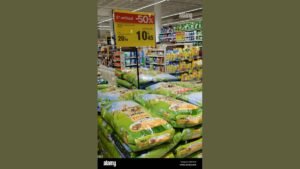
The largest bag of dog food you can typically buy weighs 50 pounds, though bulk and wholesale options occasionally reach 55 or even 100 pounds for commercial buyers. For the average pet owner shopping at major retailers, 50 pounds is the standard maximum size available on store shelves. These large bags are designed for multi-dog households, breeders, and owners of giant breeds that consume significant daily portions.
Key Takeaways
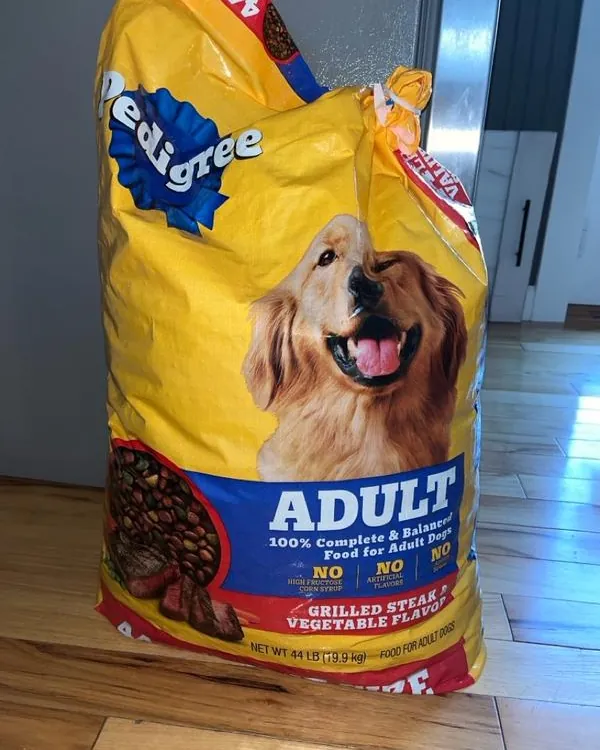
- The standard maximum retail size for dry dog food is a 50-pound bag.
- Wholesale clubs like Costco and Sam’s Club regularly stock these large bags from brands like Purina and Blue Buffalo.
- Buying in bulk saves money per pound but requires proper storage to prevent spoilage and pest infestation.
- Always check the expiration date before purchasing a massive bag to ensure your dog finishes it while fresh.
- Commercial buyers can sometimes source 100-pound sacks directly from agricultural feed suppliers.
What Is the Largest Bag Available?
For everyday consumers, the largest bag of dog food sold at standard pet stores and grocery chains is 50 pounds. Brands such as Purina Pro Plan, Pedigree, Diamond Naturals, and Iams consistently package their formulas in this size.
While some specialty agricultural feeds come in heavier sacks, true dog food formulated to meet nutritional standards rarely exceeds 50 pounds on retail shelves. If you need more than 50 pounds at once, you’ll generally have to purchase multiple bags rather than finding one massive sack.
Where to Buy Bulk Dog Food
Finding a 50-pound bag requires looking beyond small boutique shops. Big-box pet retailers like PetSmart and Petco carry them, but warehouse clubs often provide the best value.
| Retailer | Typical Max Size | Common Brands Stocked |
|---|---|---|
| Costco | 40 to 50 lbs | Kirkland Signature, Purina |
| Sam’s Club | 50 lbs | Member’s Mark, Purina |
| PetSmart | 50 lbs | Blue Buffalo, Iams, Pedigree |
| Chewy | 50 lbs | Taste of the Wild, Nutro |
| Tractor Supply | 50 lbs | 4Health, Diamond Naturals |
Warehouse memberships often offset their cost through the savings on bulk kibble alone.
How Much Does a Large Bag Cost?
Pricing varies significantly based on ingredient quality, brand reputation, and where you shop. Premium formulas cost considerably more per pound than budget grocery brands.
| Brand Tier | Estimated Price Range (50 lbs) | Examples |
|---|---|---|
| Budget | $30 to $45 | Pedigree, Kibbles ‘n Bits |
| Mid-Range | $50 to $75 | Purina ONE, Diamond |
| Premium | $80 to $120+ | Blue Buffalo, Orijen |
Always calculate the price per pound rather than just looking at the total sticker price to find the true value.
Why Choose a Fifty-Pound Bag?
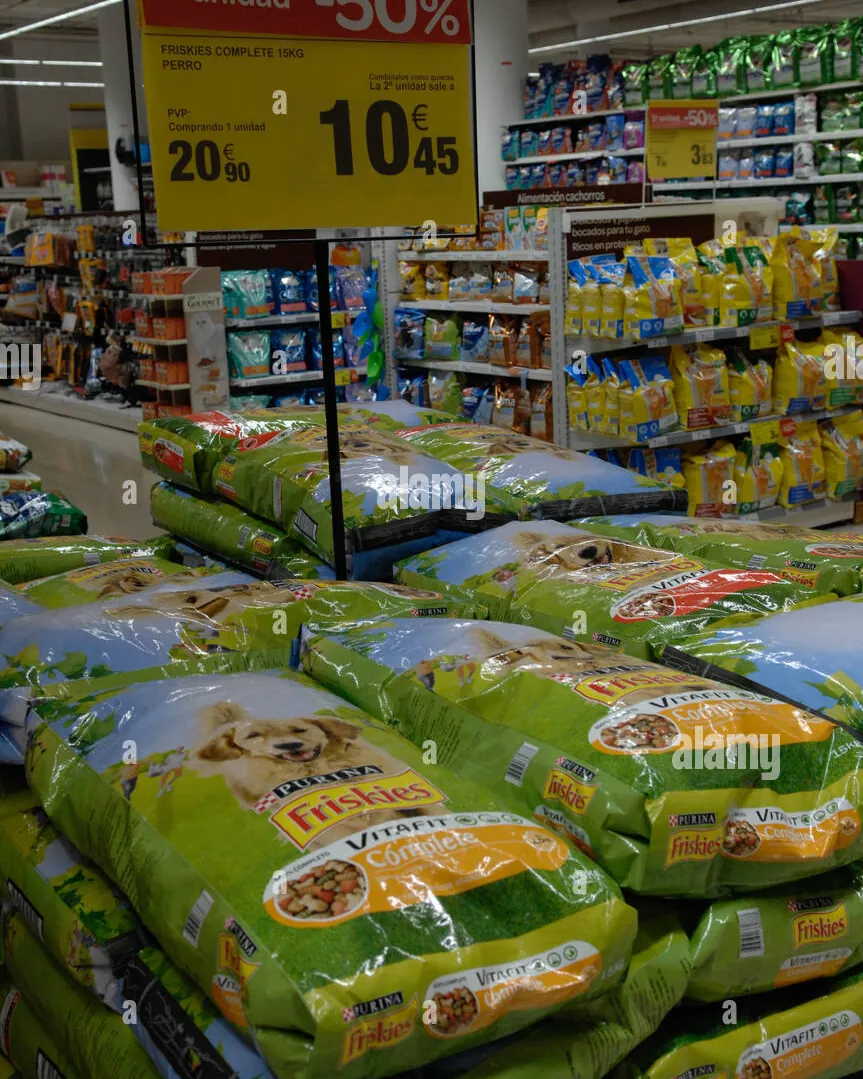
Buying the largest available size makes financial sense for specific households. Owners of Great Danes, Mastiffs, or multiple working dogs go through kibble rapidly. A single 50-pound bag reduces shopping trips and usually lowers the cost per meal. Additionally, subscription services like Chewy Autoship offer extra discounts when you commit to recurring deliveries of heavy bags, maximizing your savings over time.
Is a Bigger Bag Always Better?
Not necessarily. If you own a small dog or a picky eater, a 50-pound bag might sit open for months. Dry dog food begins losing its freshness, flavor, and nutritional potency once exposed to air.
According to the FDA, proper storage of pet food is essential to prevent contamination by bacteria like Salmonella or mycotoxins that thrive in stale environments. You can review FDA guidelines on storing pet food to understand why keeping kibble fresh matters for safety. Only buy what your dog can consume within four to six weeks.
Storing Large Bags Safely
Improperly stored kibble attracts pantry moths, rodents, and moisture. Never leave a large bag sitting open on the floor. Instead, transfer the contents into an airtight container. Many owners keep the food inside the original bag but place that entire bag inside a sealed bin to preserve batch numbers in case of a recall.
Ideal Storage Conditions
- Keep the container in a cool, dry place away from direct sunlight.
- Avoid storing food in humid garages or uninsulated sheds.
- Wash and thoroughly dry the storage bin between every single refill.
Using a dedicated pet food container prevents rancidity and keeps pests out.
Handling Heavy Dog Food Bags
Lifting 50 pounds repeatedly can strain your back, especially if the bag lacks sturdy handles. When loading your cart or moving the bag into your home, bend at the knees and lift with your legs. Consider using a small hand truck or rolling cart if you have a long walk from your vehicle to your pantry. Some premium brands now include reinforced grip strips on their packaging specifically to make hauling easier.
Warning: Never drag a paper bag across rough concrete, as tearing it will spill your expensive food and expose it to dirt and moisture immediately.
Comparing Large Bag Sizes
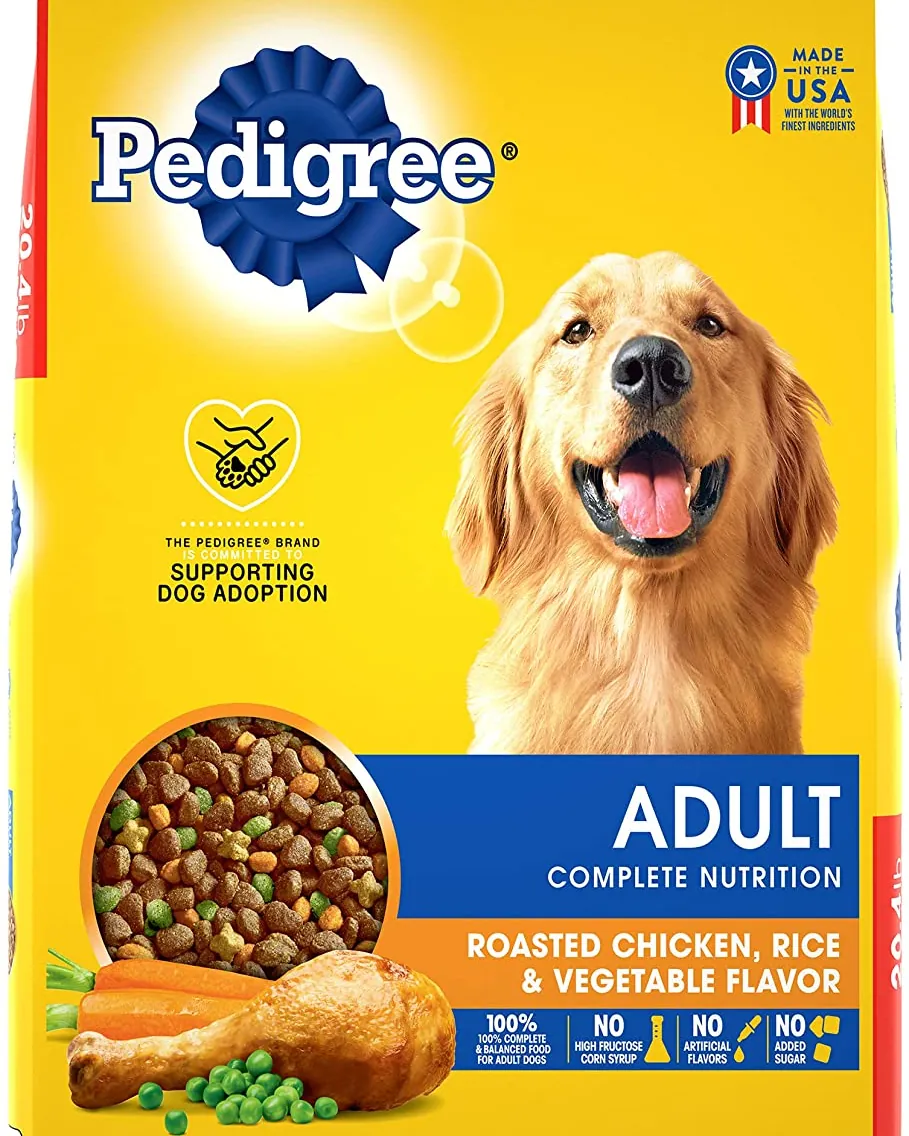
While 50 pounds is the standard maximum, understanding the progression helps you choose the right fit.
| Bag Size | Best Suited For | Approximate Duration (Single 70lb Dog) |
|---|---|---|
| 15 lbs | Small breeds, trial runs | 2 to 3 weeks |
| 30 lbs | Medium breeds, two small dogs | 3 to 4 weeks |
| 40 lbs | Large breeds | 4 to 5 weeks |
| 50 lbs | Giant breeds, multi-dog homes | 5 to 6 weeks |
Match the bag size to your dog’s actual daily consumption rate.
Pro Tip: Check the feeding chart on the back of the bag to calculate exactly how many cups your dog eats daily, then divide the total cups in the bag by that number to determine how many days the supply will last.
Frequently Asked Questions
Do they sell 100-pound bags of dog food?
Standard retail pet stores don’t sell 100-pound bags of dog food. However, commercial breeders, kennels, and farms can sometimes order custom bulk sacks directly from manufacturers or agricultural feed distributors. For the average consumer, buying two 50-pound bags is the most practical solution.
Which brand has the biggest dog food bag?
Most major national brands, including Purina, Pedigree, Diamond Naturals, and Iams, cap their retail packaging at 50 pounds. There’s no single brand that dominates the market with a larger standard retail size than its competitors.
How long does a 50-pound bag last?
A 50-pound bag contains roughly 200 cups of kibble. A 50-pound dog eating three cups daily will finish it in about two months. A giant breed eating eight cups daily will empty it in less than four weeks.
Is bulk dog food cheaper per pound?
Yes, manufacturers almost always price larger bags at a lower cost per pound compared to smaller sizes. A 50-pound bag typically costs twenty to thirty percent less per pound than a 15-pound bag of the exact same formula.
Can I freeze dry dog food to keep it fresh?
Freezing is generally unnecessary and can introduce moisture when thawed, leading to mold. Storing kibble in an airtight container in a cool, dark pantry is sufficient. Only freeze raw or fresh diets, never standard extruded kibble.
Where is the cheapest place to buy 50-pound bags?
Warehouse clubs like Costco and Sam’s Club usually offer the lowest prices on 50-pound bags, particularly for their store brands. Online retailers with autoship programs also provide competitive discounts and free shipping for heavy items.
Conclusion
Now that you know the maximum sizes available, measure your pantry space and calculate your dog’s monthly intake. Purchase an airtight storage bin first, then head to your local warehouse club or favorite online retailer to secure your 50-pound bag safely.