
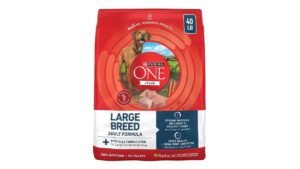
A big bag of dog food usually holds 30 to 40 pounds and lasts a medium-sized adult dog about four to six weeks. That timeline assumes you’re feeding a standard dry kibble to a healthy 40-pound dog. If your dog weighs more or eats a calorie-dense formula, you’ll go through it faster.
Large bag dog food basics
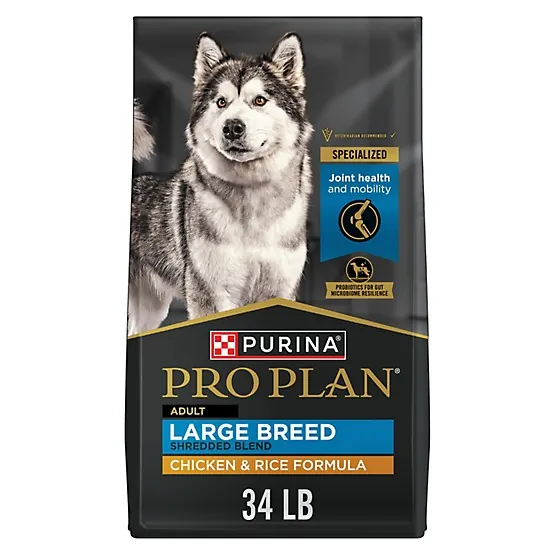
- A 30-pound bag feeds a 40-pound adult dog for roughly 30 days on standard kibble.
- Check the label’s daily cup amount, because calorie density varies widely between brands.
- Store the bag in a sealed container to keep fats from turning rancid within three weeks.
- Buy only what your dog eats in 6 weeks; older kibble loses vitamins after opening.
- Puppies generally need puppy formulas until they reach maturity, though large and giant breeds may transition to adult or large-breed specific food before one year.
- Read your specific bag’s feeding chart, since the exact cups per day depend on that recipe’s calories.
Why large bags spoil faster
Dry kibble contains fats that oxidize once air reaches them. When you open a 40-pound bag, oxygen starts breaking down those fats immediately. The bigger the bag, the longer it stays open, and the more surface area touches air every time you scoop.
This oxidation process turns fats rancid. Rancid fat smells slightly sour or like old paint, though you might not notice it right away. Your dog will likely eat it anyway, but degraded fats lose nutritional value and can upset their stomach over time.
Moisture is the second problem. Humidity enters the bag each time you unroll the top. Moisture encourages mold growth and lets bacteria multiply. The FDA recommends storing pet food in its original bag inside a clean, dry container with a tight lid.
If your home stays warm or humid, spoilage happens faster. A bag kept in a hot garage degrades quicker than one stored in an air-conditioned pantry. You can check your own bag’s freshness by smelling it before each meal. Fresh kibble has a mild, meaty scent; spoiled kibble smells sharp or stale.
When bulk dog food isn’t the right choice
Buying the largest option available doesn’t work for every household. The table below shows when you should pick a smaller size instead.
| Situation | What changes | What to do instead |
|---|---|---|
| Dog weighs under 20 pounds | Eats less than one cup daily | Buy a 15-pound bag maximum |
| Food allergy suspected | Requires elimination diet testing | Buy small trial-size bags |
| Hot humid climate | Kibble spoils within three weeks | Buy monthly 15-pound bags |
| Senior dog losing weight | Vet may change prescription diet | Don’t stockpile current food |
| Trying new brand | Dog might refuse the taste | Buy smallest bag first |
How to store bulk dog food properly
- Keep the kibble inside its original bag rather than dumping it loose into a plastic bin.
- Squeeze out excess air, fold the top tightly, and secure it with a strong clip.
- Place the sealed bag inside a dedicated metal or heavy-duty plastic storage container.
- Store the container in a cool, dry indoor space away from direct sunlight.
- Wash your hands before scooping, and use a clean, dry measuring cup every single time.
- Write the date you opened the bag directly on the outside with a permanent marker.
- Finish the entire bag within 6 weeks; if you can’t, switch to a smaller size next time.
Mistakes that ruin bulk dog food
- Pouring kibble directly into a plastic bin. Fat residue builds up on the bin walls and goes rancid, contaminating fresh food you add later.
- Leaving the bag rolled loosely at the top. Air flows in constantly, drying out the kibble and destroying added vitamins within two weeks.
- Storing the bag in a garage or shed. Temperature swings cause condensation inside the packaging, inviting mold growth that can make your dog sick.
- Using a wet or dirty scoop. Introducing moisture directly into the bag creates a breeding ground for bacteria near the bottom where you don’t see it.
- Ignoring the printed expiration date. Kibble past its “best by” date lacks guaranteed nutrient levels, meaning your dog eats empty calories without getting proper nutrition.
Bag duration depends on tracking daily portions against the printed feeding chart because calorie counts differ between recipes.
Frequently asked questions
How long does a 40 pound bag of dog food last?
A 40-pound bag lasts about 40 days for a 50-pound adult dog eating 4 cups daily. Smaller dogs eating 1 cup daily stretch it to four months, but the food often goes stale before they finish it.
Can I freeze dry dog food to keep it fresh?
Yes, freezing extends freshness up to 6 months. Divide the kibble into weekly portions in sealed freezer bags first. Thaw each portion in the fridge overnight, because repeatedly warming and cooling the whole bag causes moisture damage.
Is it safe to buy dog food in bulk online?
It’s safe if the retailer ships quickly and stores inventory in climate-controlled warehouses. Check the “best by” date immediately upon delivery. If the bag arrives with fewer than 3 months left, contact the seller for a replacement.
Why does my dog’s food smell different halfway through the bag?
That changing smell means the fats are oxidizing. Kibble at the bottom of an open bag has been exposed to air longest. If it smells sharp, sour, or like old oil, throw the remainder away.
Does buying a bigger bag save money per pound?
Usually, yes. Larger bags cost 15 to 25 percent less per pound than small ones. However, if your dog doesn’t finish it before it spoils, you waste that savings entirely.
What happens if my dog eats stale kibble?
Mildly stale kibble just has fewer vitamins and less flavor. Truly rancid kibble can cause vomiting, diarrhea, or loss of appetite. If your dog refuses meals they normally love, check the food’s smell first.
How do I know how many cups to feed daily?
Read the feeding chart on your bag’s back panel to determine portions. Adjust the listed amount down by 10 percent if overweight or up if highly active, as individual needs vary from standard guidelines.
Conclusion
Check your dog’s weight and body condition every few weeks to see if the current portion still fits. You’ll likely need to adjust as seasons change or activity levels shift. Keeping a simple feeding log helps you spot trends early and ensures your pup stays healthy long term.